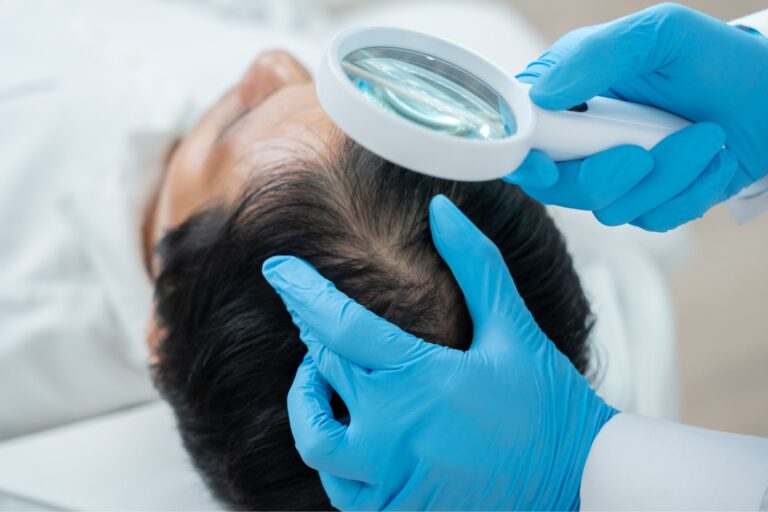
When reading skin rejuvenation studies, it helps to start with a question: what did the researchers actually measure? A headline may describe an overall result, yet the study itself might have recorded a device reading, a clinician score, a participant questionnaire, photographs, or several of these at once. Each can add information, but they do not answer identical questions.
Skin ageing and variation in appearance are normal. Research does not establish that anyone needs a cosmetic procedure, nor can it predict an individual response. It can help separate a measurable observation from a claim about everyday importance. That distinction is useful when considering texture, uneven pigment or other visible features.
What Skin Rejuvenation Studies Measure: Objective and Subjective Outcomes
An objective outcome is recorded using a defined method intended to reduce the influence of a participant’s or assessor’s opinion. It may be a numerical instrument reading, a measurement of a small skin area, or an image score using pre-set criteria. “Objective” does not mean automatically important; it means the study has stated a method another researcher could use again.
A subjective outcome records someone’s experience or judgement. A participant may report satisfaction, a change they notice, recovery comfort or how a feature appears to them. A clinician may use a rating scale. These outcomes can address aspects a machine cannot capture. Their meaning is stronger when the questionnaire or scale has been developed, used consistently and reported in full.
The most informative skin research may use both kinds of outcome. A numerical change without a noticeable or valued difference may have limited practical relevance. Equally, a favourable questionnaire result alone may be influenced by expectation, the setting or the knowledge that a procedure occurred. Check whether the study says in advance which outcome matters most, who completed the assessment and when it was collected.
What Study Photographs Can and Cannot Show
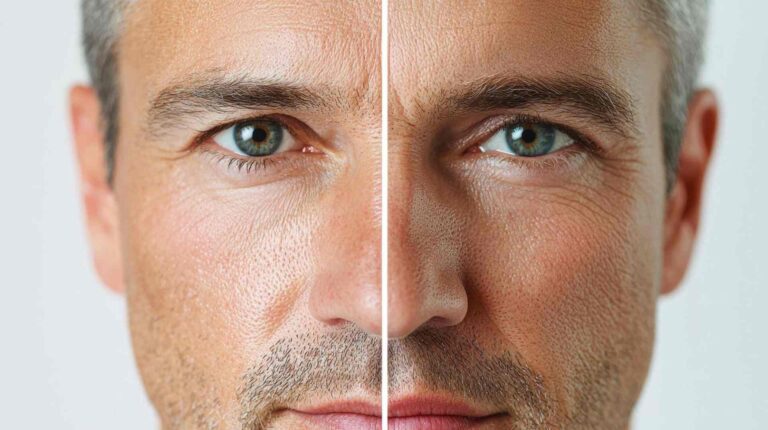
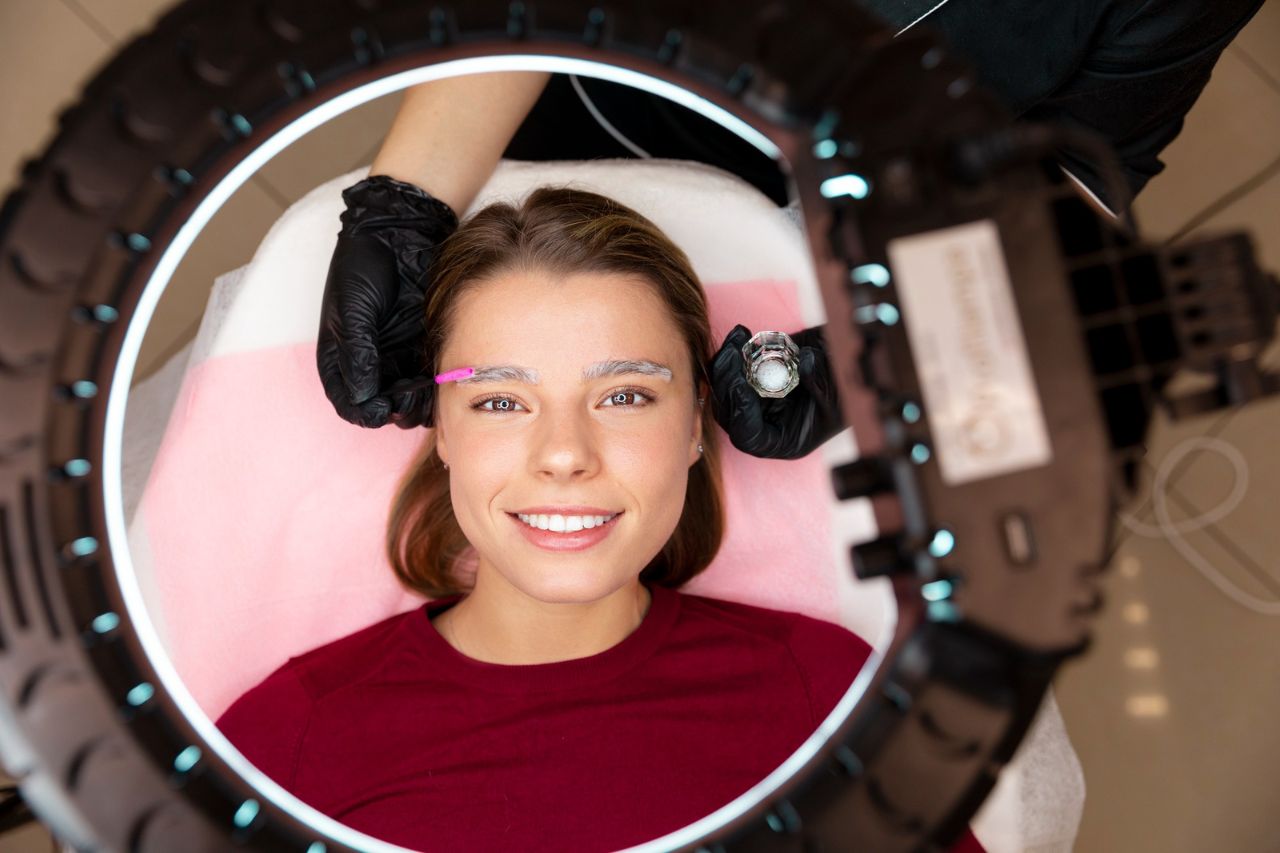
Photography is often treated as self-explanatory evidence, but it is a measurement method with conditions. In a well-reported study, the camera position, distance, angle, background, lighting and participant preparation are kept as consistent as possible at each study visit. Small changes in light, pose, facial expression, make-up, hair coverage or camera settings can alter the visible colour, shadow and surface detail of an image.
Study photographs are more useful when an independent assessor reviews coded images without knowing when they were taken or which group a participant was in. That can reduce, rather than remove, the influence of expectation. Check whether the paper explains its photography protocol instead of displaying a selected image without a method.
Even carefully standardised photographs have limits. They show only the area, angle and time captured. They do not directly measure how a participant feels, texture felt by touch, an unwanted effect outside the frame, or whether a difference persists. Read an image alongside the study’s other outcomes, follow-up and adverse-event reporting, not as a stand-alone conclusion.
How Texture and Pigment Measures Differ
“Skin quality” is a broad phrase, so a useful paper breaks it into specific measures. A texture measure may examine surface topography: small peaks, lines and depressions across a defined area. Researchers may use a surface replica, close-range imaging or three-dimensional scanning to calculate roughness. This describes the surface recorded by that method, not every aspect of appearance or wellbeing.
Pigment measures answer a different question. Instruments may record light reflected from a particular skin spot and convert it into a colour or pigment-related value. The result depends on the instrument, settings, exact site, conditions and timing. A number may be precise for that measurement, yet it is not interchangeable with a photograph, texture reading or a participant’s view of uneven colour.
Look for the area measured, the number of readings, the time of day or environmental controls where relevant, and whether the same method was used for everyone. A study that reports only a broad statement such as “improved texture” or “better tone” leaves the reader unable to judge what was measured. A clear result identifies the measure, its units or scale, the direction of change and the uncertainty around it.
Why Follow-up and Clinical Relevance Matter
Timing changes the meaning of a study outcome. A measure taken soon after a procedure may capture temporary redness, swelling or sensitivity rather than a later skin state. A later measurement may be more relevant to a different question. The important point is not that one time point is always correct, but that the follow-up period should match what the researchers claim to have assessed.
Follow-up also needs to record more than the intended outcome. A paper should explain how many participants completed each visit, whether any left the study and what side effects or complications were reported. Missing follow-up can make a result harder to interpret, especially when only the people who completed the study are included in the final analysis.
Clinical relevance asks whether a measured difference is large enough to matter outside the research setting. A small numerical difference can be statistically detectable in a study without telling a reader whether it would be visible, meaningful to participants or durable. Conversely, a participant-rated change may matter personally even if it is not reflected in one instrument. Research is clearer when it states what size of change was considered meaningful before results are known and presents the full pattern rather than one favourable measure.
Using Study Outcomes in a Personal Decision
When you encounter a claim based on a study, ask: Was the outcome objective, subjective or both? Was the method standardised? Was the finding assessed independently? Which texture, pigment or image measure was used? How long did follow-up last, and what happened to participants who did not complete it? These questions focus attention on what the result can support rather than on a broad label.
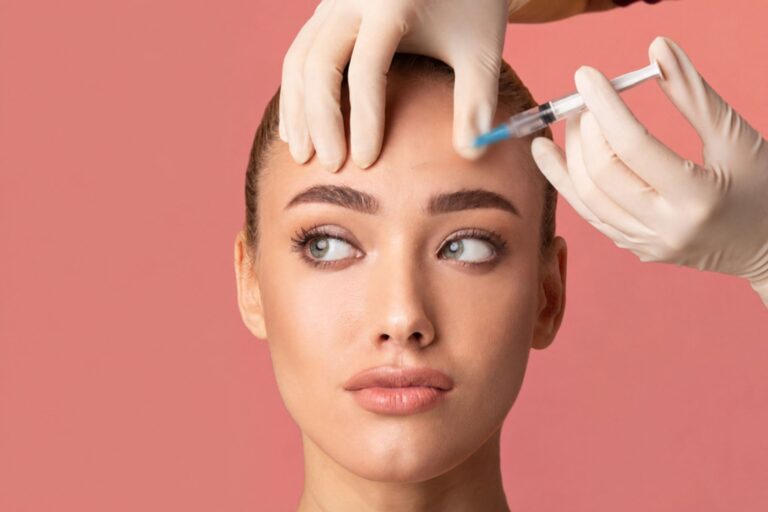
They also leave space for practical information that a study may not answer. Depending on the procedure and the person, possible effects can include redness, swelling, discomfort, irritation, pigment change, infection or scarring. Recovery can involve visible changes, sensitivity, activity adjustments and aftercare. Risks, recovery and results vary between individuals. A consultation is needed to assess suitability and to discuss the exact procedure, health history, alternatives and the option of doing nothing.
Choosing to wait, keep a simple routine, use cosmetic camouflage or take no action are all valid options. A changing, painful, bleeding or otherwise concerning skin change needs medical assessment rather than interpretation through cosmetic research alone.
Considering Your Next Step
The key to reading skin rejuvenation studies is to match the claim to the outcome actually measured. A photograph, instrument value or participant rating can be useful data, but each has limits and none can predict an individual experience. Suitability is assessed at a consultation, where evidence, possible risks, recovery and alternatives can be considered in context.
If you would like to ask about a consultation at Dr Tina Fang Cosmetic Clinic in Upper Mount Gravatt, you can contact the clinic about a consultation. A conversation does not commit you to a procedure, and choosing not to proceed remains a valid decision.