Cosmetic product source purity and quality questions can arise when a label uses scientific language. Yet those words alone do not tell you what is in a particular product, how it was made, or whether there is useful evidence for its proposed use. For an adult considering cosmetic care in Brisbane, the more useful approach is to ask for clear information and to allow uncertainty to remain where information is unavailable.
This is general education about reading product claims. It does not indicate that any particular product is supplied, recommended or suitable. A label, social-media post or overseas claim cannot replace an individual discussion of evidence, risks, recovery and alternatives.
Why a Product Label Is Not a Quality Statement
Terms such as “advanced”, “clinical”, “pure” or “scientifically developed” can make a claim sound settled without explaining what has been tested. A product name and an ingredient list may be useful starting points, but they do not establish a product’s consistency, quality or suitability for an individual.
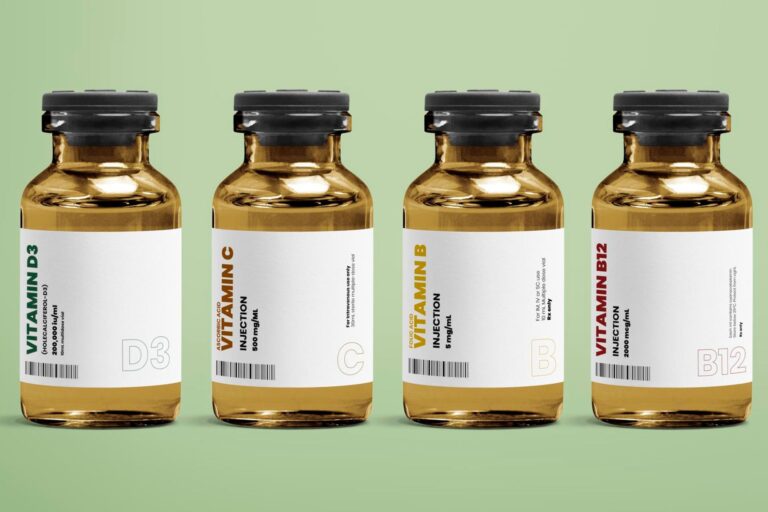
A number on packaging is also incomplete without context. It may not explain what the number measures, what else is present in the final product, what testing has been done, or whether the product is stable for its stated shelf life. The quality of a claim depends on transparent, product-specific supporting information, not on how technical the language sounds.
It is reasonable to ask for a plain-language explanation of the claim. If an explanation moves quickly from a laboratory concept to an asserted change in appearance, pause and ask what evidence supports that particular step. Evidence about a broad scientific idea does not automatically apply to every product that uses related wording.
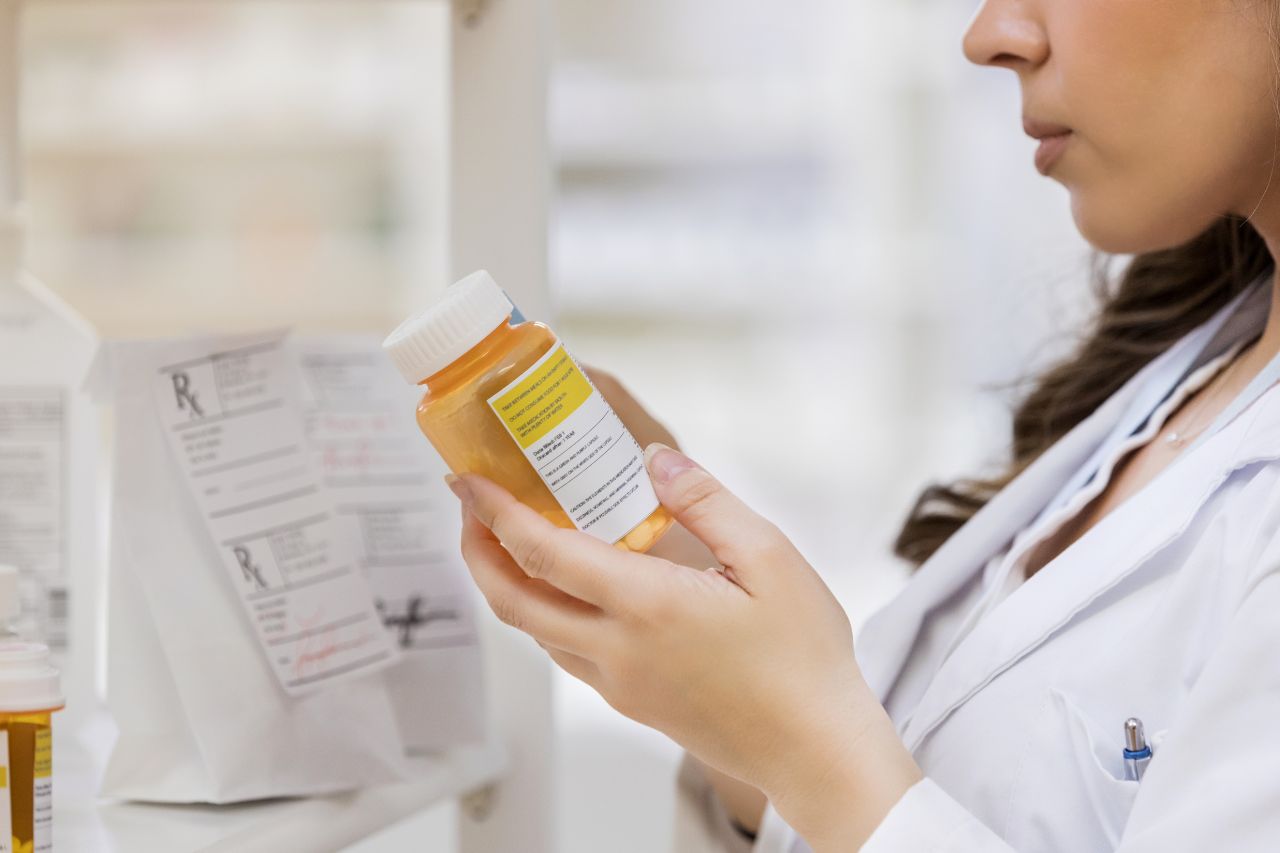
Source, Identity and Purity Are Separate Questions
Source means where the ingredients or starting material came from. It can be relevant to understanding a product, but source alone does not establish its identity, purity, consistency or intended performance. A clear discussion should say what is known about the exact finished product rather than rely on a broad category or an origin story.
Identity asks what the product contains. Purity asks whether unwanted material may be present and what checks are used to identify it. These are related but different questions. A product can have an impressive description while still providing little accessible information about how the final batch was checked.
It also helps to distinguish an exact product from a broad category. Claims made about a raw material, a laboratory method or a scientific paper are not necessarily claims about the finished product under discussion. Ask whether the information relates to the same product, manufacturing process, route of use and intended purpose. If that link cannot be explained, it is sensible to treat the claim as uncertain.
Processing, Storage and Evidence Need Their Own Answers
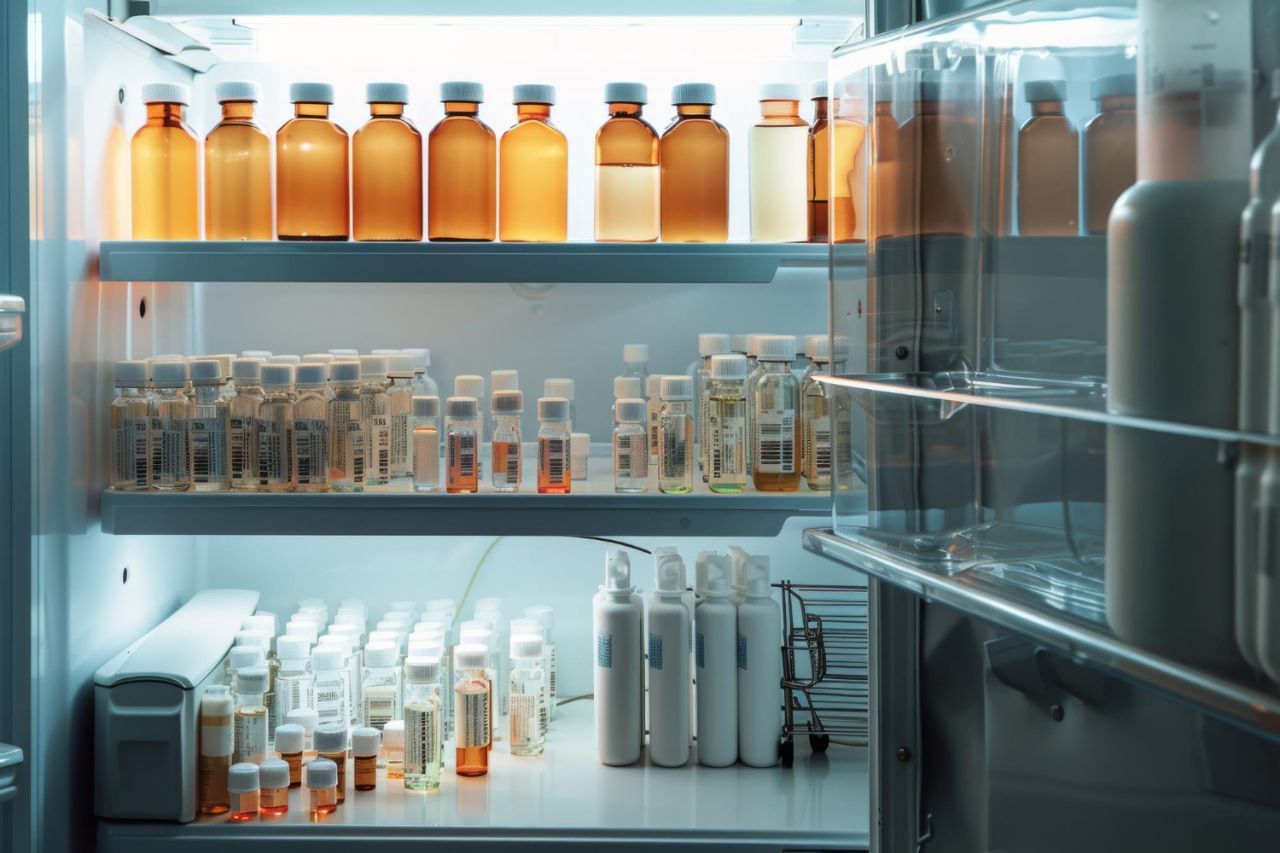
Processing and storage can affect whether a product remains consistent with its description. A label rarely gives enough detail to judge this on its own. Useful questions include how the product was made, what checks were performed on the final batch, what storage instructions apply, and whether batch information is available. These questions are a way to find out whether the quality discussion is product-specific rather than based on a general scientific idea.
Evidence needs the same level of care. A laboratory finding, an animal study or a study of another product may help researchers form a question, but it does not establish a cosmetic outcome for a different product or person. Relevant human evidence should concern the exact or closely comparable product, its proposed use and the people studied. Even then, limitations should be explained without selective claims.
Australian regulatory context also cannot be read from a product name. The Therapeutic Goods Administration considers claims, composition and how a product is administered or used when assessing whether a product is a cosmetic or therapeutic good. The regulatory position of a particular product must be established for that product; it should not be assumed from its availability online or in another country. No public register entry, label or marketing claim is personal advice about suitability.
Product Information Does Not Replace a Consultation
When a product is proposed alongside a cosmetic procedure, product information is only one part of the decision. The consultation should explain what is proposed, why it is being considered, what evidence and uncertainty apply, and what other options are available. Those options can include waiting, a simpler approach, another procedure where appropriate, or doing nothing. Normal changes in appearance and ageing do not require cosmetic treatment.
Risks and recovery are specific to the procedure, the route of use and the individual. Depending on what is proposed, effects may include discomfort, temporary redness, swelling, bruising, irritation, dryness or flaking. Less common complications can include infection, changes in skin colour and scarring. Recovery may involve visible changes, temporary activity limits and written aftercare instructions. Results vary between individuals, including during recovery, and a consultation is needed to assess suitability.
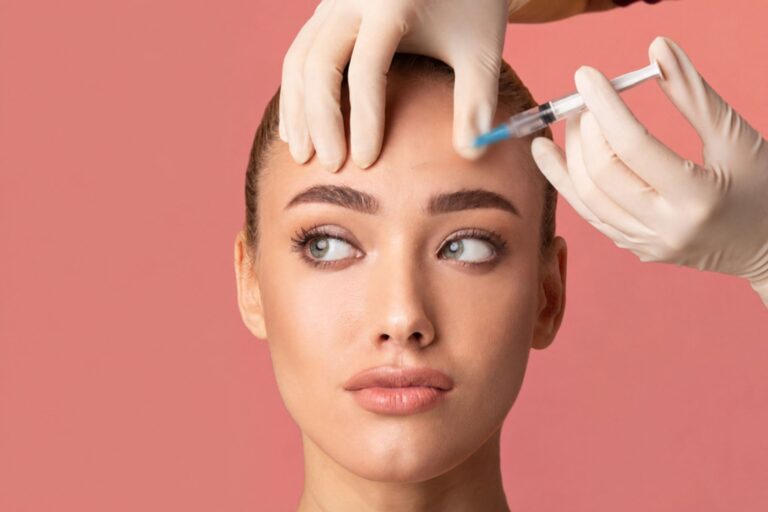
If injectable treatments are part of the discussion, the consultation must be with a doctor. The doctor should explain the individual risks, possible side effects, recovery expectations and alternatives. It is appropriate to defer a decision or decline treatment if the information is unclear, if the evidence does not match the proposed use, or if the plan does not feel right for you.
Cosmetic Product Source Purity and Quality Questions
You may wish to ask what the product is called, what source is claimed, what the final preparation has been tested for, and what information supports its identity and purity. Ask how processing and storage are documented, what human evidence concerns the proposed use, and what uncertainty remains. It is also reasonable to ask what would lead the practitioner to advise against the plan and how concerns after a procedure would be managed.
Considering Your Next Step
The key point is that a cosmetic product label is not a substitute for clear, product-specific information about source, identity, purity, processing, evidence, risks and regulatory context. Suitability is assessed at a consultation, not from marketing language alone. Choosing not to proceed remains a valid option.
If you would like to discuss a product claim, procedure options or whether no treatment is the right choice for now, you can contact the clinic to arrange a consultation.