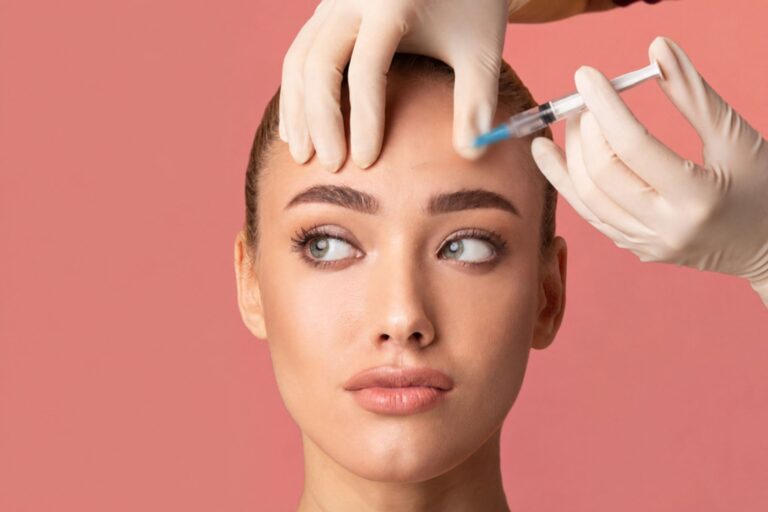
A new cosmetic treatment claim can appear in a social post, website, conversation or advertisement. It may sound persuasive because it uses technical language or a simple assurance. Before you spend money or make an appointment, it can help to slow the claim down. To check a cosmetic treatment claim, separate what is being proposed from what has actually been shown, what Australian rules apply and what the decision involves.
This is not a way to decide that a procedure is right for anyone. Cosmetic care is optional, and normal changes in appearance do not need to be corrected. These checks can support a decision to ask questions, wait, seek an opinion or take no action.
Use a Claim Card Before You Rely on a Headline
Begin by writing the claim in one plain sentence: identify the stated change, the area concerned and any time frame. Then make a small claim card with six headings: exact intervention, intended indication, evidence, regulation, risks and alternatives. If the claim cannot be explained under those headings, it is not yet clear enough to guide a personal decision.
The exact intervention means more than a broad category or fashionable name. Ask what is proposed, how it is delivered and whether a device, preparation or procedure is involved. A different method, setting, combination or aftercare plan may mean the claim is no longer about the same intervention.
Keep the words of the original claim separate from the facts supplied to support it. “Supports”, “advanced” and “clinically tested” are descriptions, not answers. A useful explanation should state what the claim means in everyday language and identify the information on which it relies. If the answer remains vague, note that uncertainty rather than supplying your own conclusion.
Match the Intervention to the Stated Indication
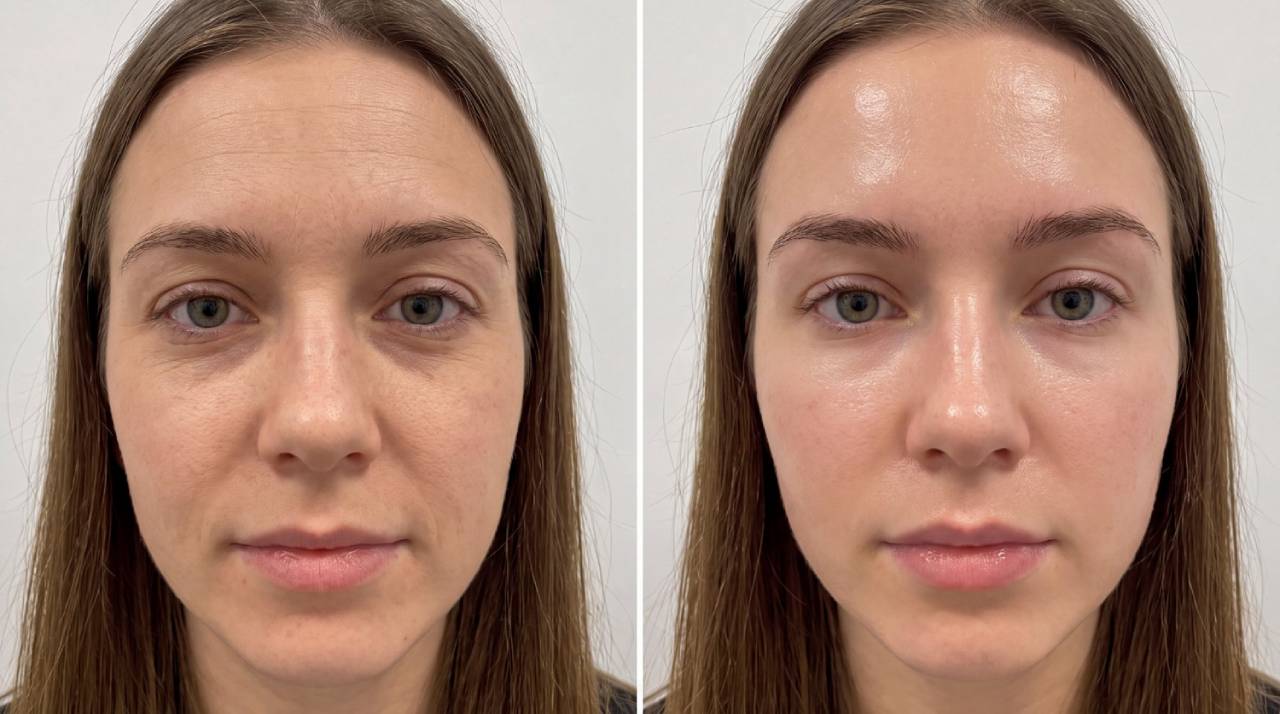
An indication is the particular purpose for which an intervention is being discussed. “For the skin” or “for confidence” is too broad to be an indication. A clearer statement describes the specific concern, the people studied and the intended use. This matters because a result reported for one concern does not automatically apply to another concern, body area or group of people.
Check whether the person making the claim has moved from a general observation to a personal prediction. A study might explore a measured feature in a defined group. That does not establish what will happen for everyone, or that an intervention suits a person with a different health history, skin characteristics, goals or tolerance for recovery.
Be especially careful with claims that combine several interventions or a procedure with a home-care product. When several things change at once, it can be hard to know which element was associated with an observation. Ask whether the claim concerns the complete combination or borrows information from only one part. A consultation is needed to assess individual suitability; an online claim cannot do that work.
Check a Cosmetic Treatment Claim Against the Evidence
Next, ask where the evidence comes from. Research in people can be more directly relevant to a cosmetic claim than laboratory work or research in animals, but it still needs to match the exact intervention and indication. Look for who took part, what was compared, how the outcome was measured and how long people were followed. These basics help reveal whether a headline answers the question you have.
One small study may be useful for future research without settling the question for everyday care. Photographs, personal accounts and an individual practitioner’s observations cannot show how a wider group would respond. A review can be helpful when it considers relevant studies together, but its value depends on whether the methods are similar enough and its limits are reported.
Look for information that addresses uncertainty as directly as it describes a possible benefit. Differences in technique, follow-up, participant characteristics or outcome measures can limit how far a finding travels. A phrase such as “evidence-based” should lead to a source and an explanation of its relevance, not end the discussion. Individual results and recovery experiences vary, even when a procedure is clearly described.
Ask What Australian Regulation Does and Does Not Answer
Australian requirements may depend on the intervention, how it is used and the claims made about it. A provider should explain what information is relevant to the actual proposal, rather than relying on overseas availability, a logo or a broad category label. If a claim refers to a product, device or procedure, ask what regulatory information is available for that exact use.
Regulatory information and evidence answer different questions. A regulatory status is not, by itself, a forecast of your experience, a statement that a particular result will occur or proof that the proposal suits you. Likewise, one paper cannot resolve every regulatory question. Keep the two columns on your claim card separate and ask for a plain-language explanation of any connection being made between them.
It is reasonable to pause if someone cannot identify the intervention clearly, explain the intended use or distinguish factual information from promotional language. You can seek independent information from Australian regulators or discuss the claim with an appropriate health professional. Taking extra time is not a lost opportunity; it is part of making a considered decision.
Include Risk, Recovery and Alternatives in the Same Check
A claim is incomplete if it presents only a proposed benefit. The relevant risks depend on the exact intervention and the individual. The possible effects may include redness, swelling, bruising, tenderness, irritation, peeling or changes in skin colour. More significant complications can include infection, scarring, prolonged colour change or an unwanted response. General guidance cannot judge likelihood or seriousness for one person.
Recovery also needs a specific answer. Ask about aftercare, visible changes, temporary adjustments to work, exercise or outdoor activities, and what to do if a concern develops. For some skin procedures, Brisbane heat and strong sun may affect the precautions set by individual aftercare advice. Do not treat broad reassurance as a substitute for details about the proposed intervention.
Place alternatives beside the claim, not after a decision has already been made. Alternatives may include waiting, simplifying a routine, appearance camouflage, seeking medical assessment when a change is concerning, choosing another approach or doing nothing. If injectable treatments are being considered, the consultation should be with a doctor. A good discussion leaves room for a clinician to advise against a procedure and for you to decline it.
Considering Your Next Step
The practical check is to name the exact intervention, match it to the stated indication, examine the evidence, separate regulatory questions from outcome claims, and include risks, recovery and alternatives. Suitability is assessed at a consultation, and individual outcomes can vary. Clear information may support further discussion, a decision to wait or a decision not to proceed.
If you would like to ask a general question about a consultation at Dr Tina Fang Cosmetic Clinic in Upper Mount Gravatt, you may contact the clinic. That conversation can clarify what information is available for a particular proposal; it does not assume that a procedure is suitable or necessary.