Insights

Information into the latest skin care, cosmetic methods, cosmetic products by Dr Tina Fang
A person wearing blue medical gloves uses a magnifying glass to perform a hair-loss-assessment-process on a patient’s scalp.
Hair Restoration

Hair Loss Assessment Process: What a Brisbane Appointment May Cover

The hair loss assessment process may be useful to understand before deciding whether a cosmetic option is worth exploring. The useful first step is usually not to choose a procedure. It is to understand what has changed and whether a medical cause needs attention. Hair loss is a broad description, not a diagnosis, and the same appearance of thinning or

Read More »
Close-up of a man’s face showing a cosmetic-treatment-claim-check comparison between skin with and without visible fine lines and wrinkles.
Cosmetic Services

How Can I Check a New Cosmetic Treatment Claim?

A new cosmetic treatment claim can appear in a social post, website, conversation or advertisement. It may sound persuasive because it uses technical language or a simple assurance. Before you spend money or make an appointment, it can help to slow the claim down. To check a cosmetic treatment claim, separate what is being proposed from what has actually been

Read More »
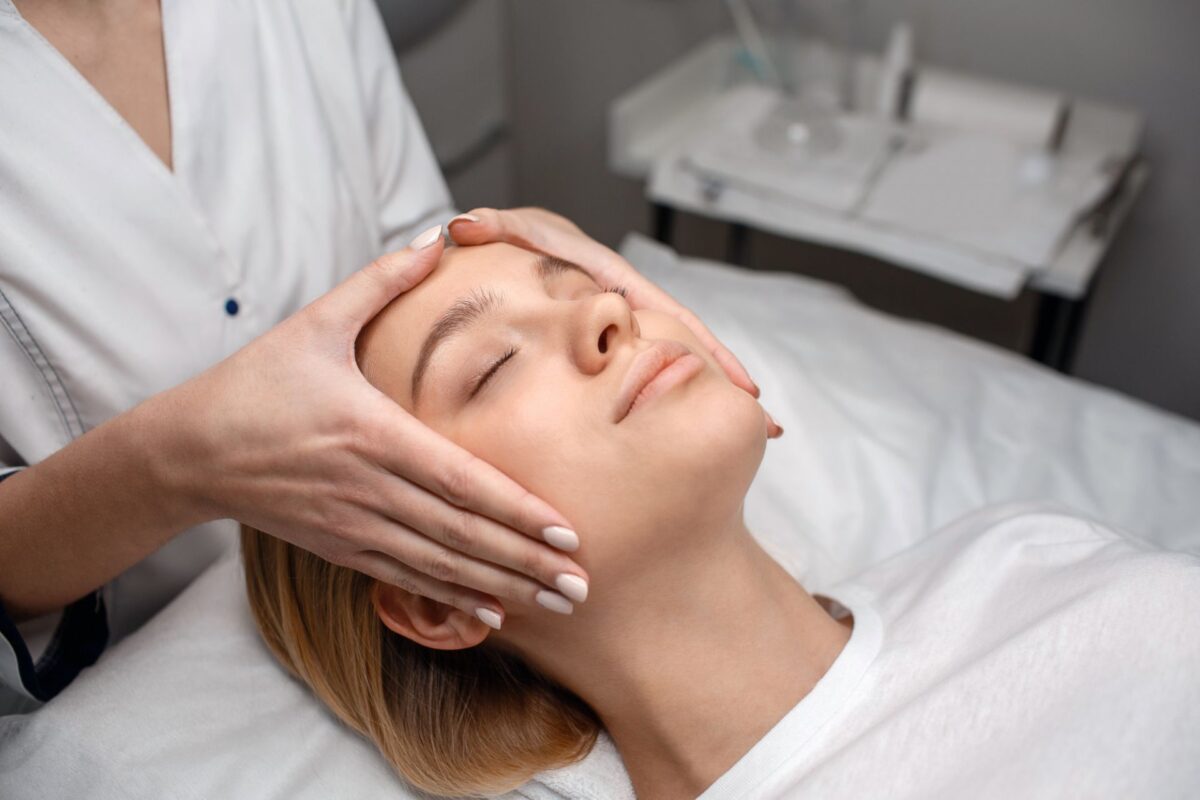
An aesthetician performs a facial massage during a skin-rejuvenation-studies session on a client lying on a treatment couch.
Skin & Laser

What Do Skin Rejuvenation Studies Actually Measure?

When reading skin rejuvenation studies, it helps to start with a question: what did the researchers actually measure? A headline may describe an overall result, yet the study itself might have recorded a device reading, a clinician score, a participant questionnaire, photographs, or several of these at once. Each can add information, but they do not answer identical questions. Skin

Read More »
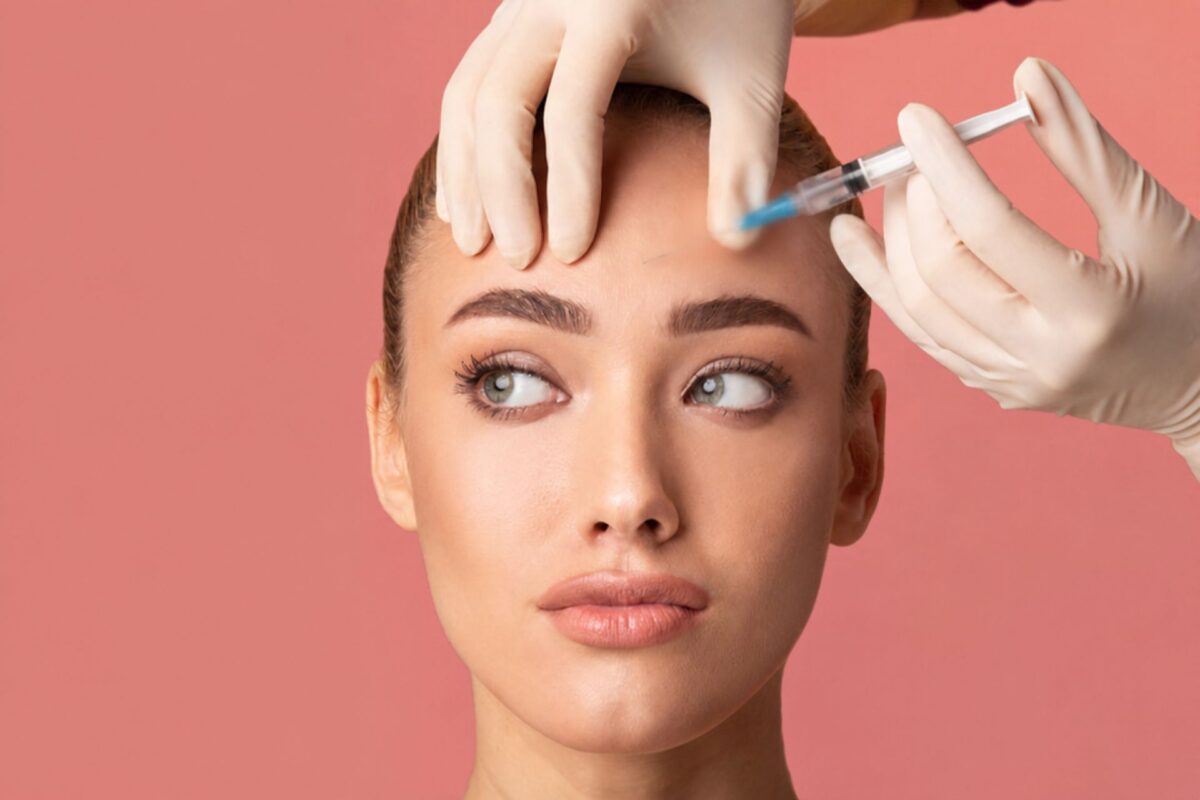
A practitioner wearing medical gloves administers a cosmetic treatment to a person’s forehead.
Cosmetic Services

What Makes Cosmetic Treatment Evidence Reliable?

Reliable cosmetic treatment evidence is not a technical claim or a striking image. It lets you see how a question was tested, what was compared, what was measured and where uncertainty remains. A claim can sound persuasive while the study behind it answers a narrower question than the one you have. Research can inform a conversation, but cannot decide that

Read More »
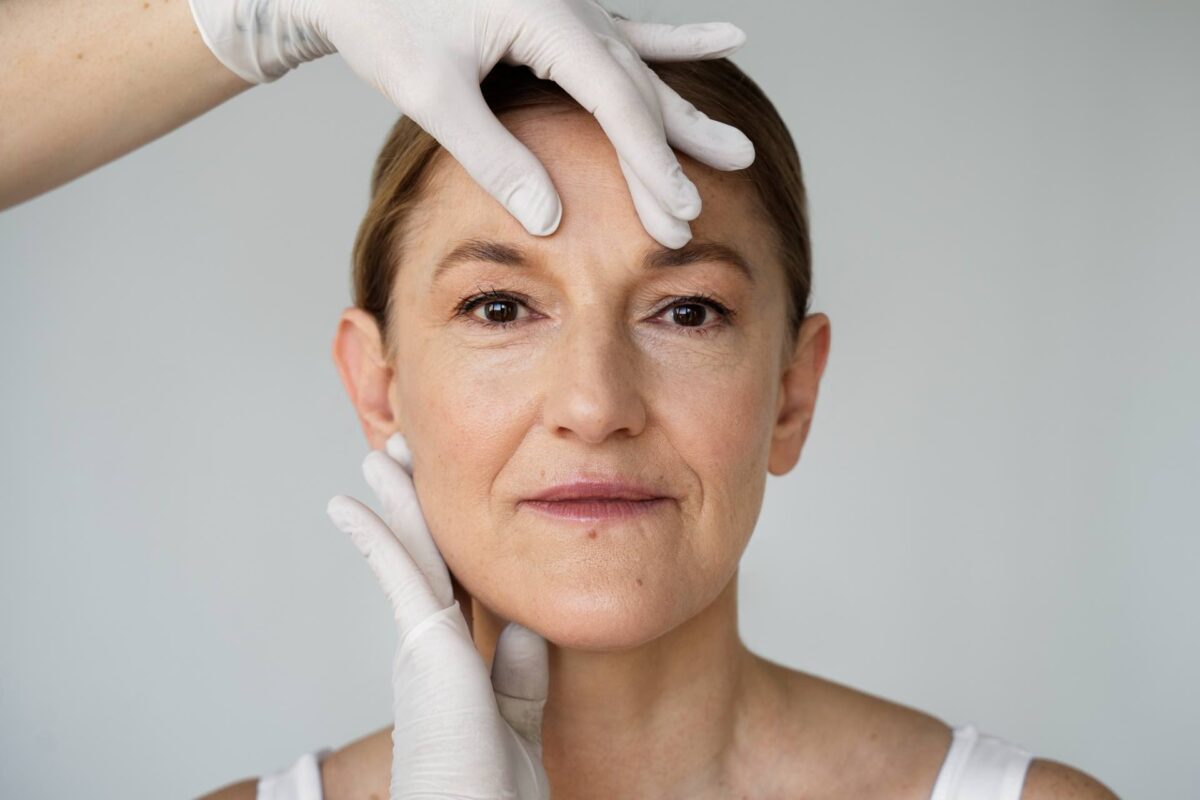
A person in white gloves examines a woman’s face to assess injectable treatment risks.
Injectables

Why Can Injectable Treatment Risks Differ Between Areas?

If you are considering a cosmetic consultation in Brisbane, it is reasonable to ask why injectable treatment risks may differ from one facial area to another. The useful answer is not a simple map of areas that are always lower or higher risk. Every injectable treatment carries potential risks, and the risk profile can change with the area, the individual

Read More »
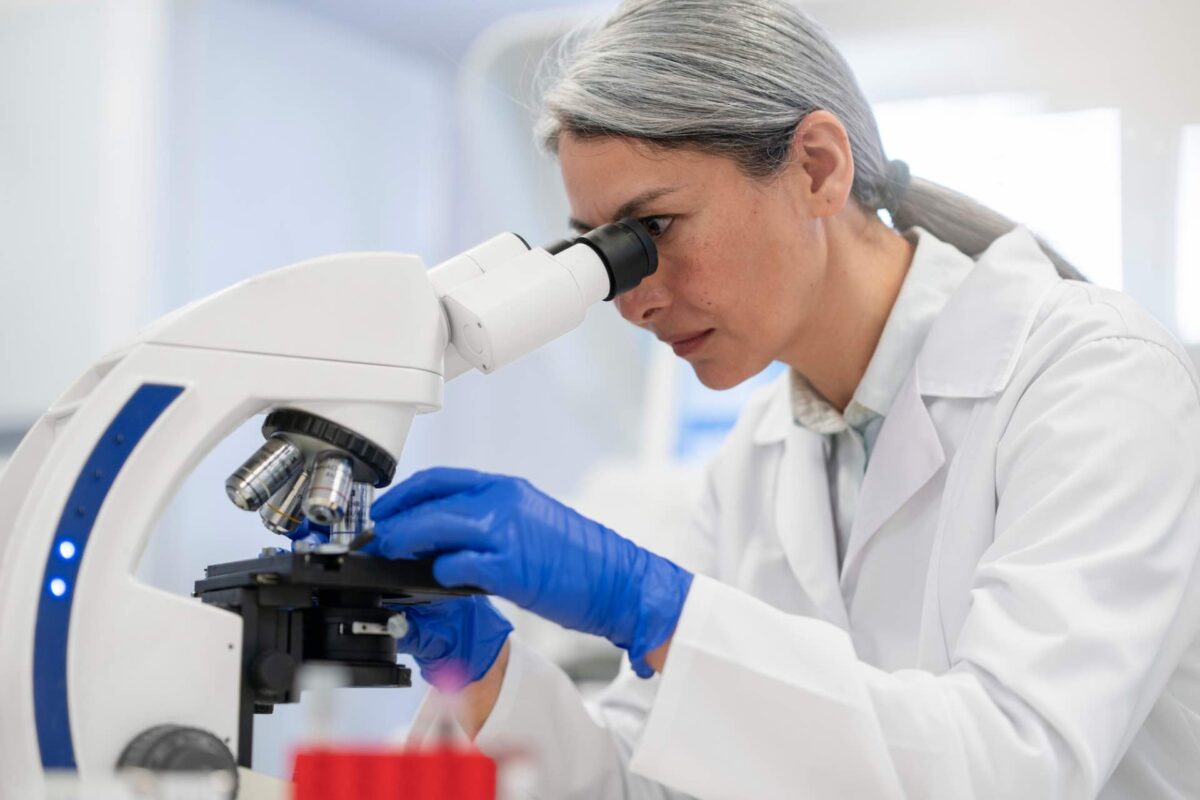
A scientist in a white lab coat and blue gloves conducts laboratory skin research by looking through a microscope.
Skin Health

What Are the Limits of Laboratory Skin Research?

Microscope images and scientific headlines can make an early finding sound close to a cosmetic option. laboratory skin research is valuable because it allows researchers to ask tightly controlled questions about a process. Its limits matter just as much. A result in cells, tissue or an animal is not evidence that an adult will have a particular visible change, recovery

Read More »
A collection of scattered medical glass vials and plastic syringes on a white surface.
Injectables

Why Do Results From Injectable Treatments Vary Over Time?

Why do results from injectable treatments vary over time? It is a reasonable question to raise before considering another appointment, especially if an earlier experience now seems different. The short answer is that a result is not a permanent personal benchmark. What is appropriate at a later time needs to be considered in the context of the person, the treatment

Read More »