
The 500 Dalton rule is often mentioned when people are deciding whether a peptide skincare product belongs in their routine. It can sound like a simple test of whether an ingredient can pass through skin. The useful answer is more measured. The rule is a helpful starting point for thinking about skin absorption, but it cannot tell you on its own whether a product will suit your skin or make a noticeable difference. That distinction matters when a label makes a formula sound more certain than the evidence allows.
What Does the 500 Dalton Rule Mean for Peptide Skincare?
A Dalton is a unit used to describe molecular mass. The 500 Dalton rule is a long-standing observation in skin science: for passive movement through intact skin, molecules generally need to be below about 500 Daltons. The outermost layer of skin, called the stratum corneum, is the main barrier that limits the movement of substances from the surface into the skin.
Peptides are short chains made from amino acids. Their size can vary considerably. This is why the phrase “contains peptides” does not tell you much by itself. A product may contain a peptide, yet the label alone does not show its molecular mass, whether it remains stable in the formula, or how much reaches the part of the skin where it would need to act.
It is also important to understand what the rule does not say. Being under 500 Daltons does not prove that an ingredient will pass through skin in a meaningful amount, or that it will deliver a particular cosmetic outcome. Being above that guide does not mean a product is harmful or pointless; a product can still feel pleasant, support a moisturising routine or have ingredients intended to work at the surface. The rule is about a barrier to absorption, not a scorecard for the value of a product.
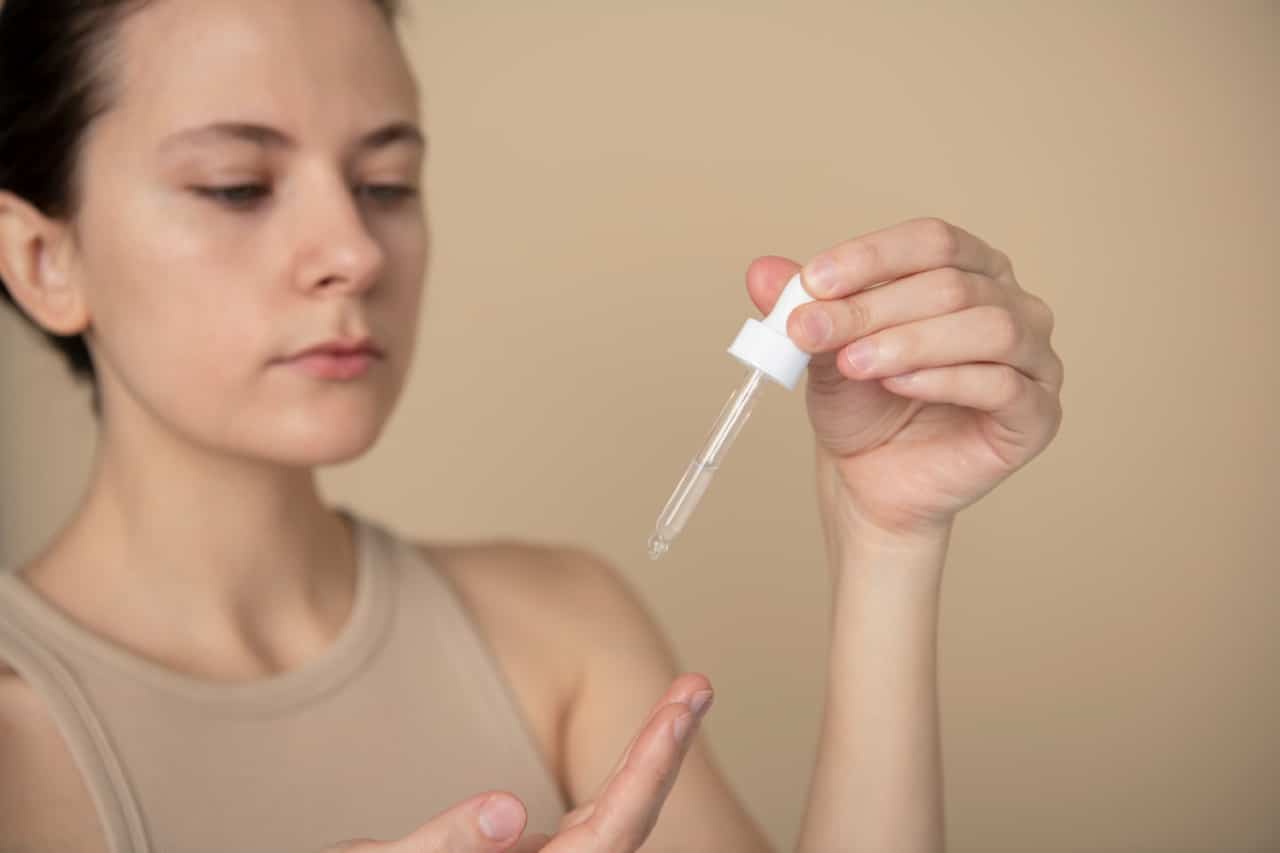
Why Molecular Size is Only One Part of the Picture
Skin absorption is not decided by size alone. The structure of the molecule, how it interacts with oil and water, the formula around it, the amount applied and the condition of the skin barrier can all matter. Research on skin delivery also shows that the outer barrier is complex rather than a single open-or-closed gate.
That is why a product description which focuses only on a small molecular size is incomplete. It may be a reasonable question to ask, but it should sit beside questions about the whole formula and evidence for that exact product used on people. Laboratory findings about an isolated ingredient do not automatically describe what happens when it is placed in a finished cream or serum and used at home.
For women in Brisbane, heat, sun exposure, air-conditioning and frequent cleansing can make it tempting to change several products at once. A gradual approach is easier to interpret. If you introduce one product at a time, you have a clearer chance of noticing whether your skin feels comfortable with it. The clinic’s daily skincare routine article provides further general reading on keeping a routine simple.
How to Read a Peptide Product Claim With Care
Start with the claim rather than the scientific-sounding language around it. A careful claim explains what the product is intended to do in modest terms and does not treat a laboratory concept as a promised outcome. Be cautious if the explanation moves straight from an ingredient’s theoretical activity to a certainty about how your skin will look or feel.
It can be useful to ask whether the evidence refers to the finished product, the same way of applying it and people with skin like yours. If those details are not clear, uncertainty is the more honest conclusion. Results vary between individuals because skin type, sensitivity, climate, other products and regular use differ. No skincare product needs to be purchased simply because its label uses technical language.
Skin goals can also be broader than one ingredient. If your main question is uneven colour or the effect of sun exposure, the clinic’s guide to understanding skin pigmentation may help you prepare questions for a qualified health professional. It is not a diagnosis, and new, changing or concerning spots should be assessed by an appropriate doctor rather than managed through a cosmetic product.
Skin Comfort, Side Effects and Recovery From a Reaction
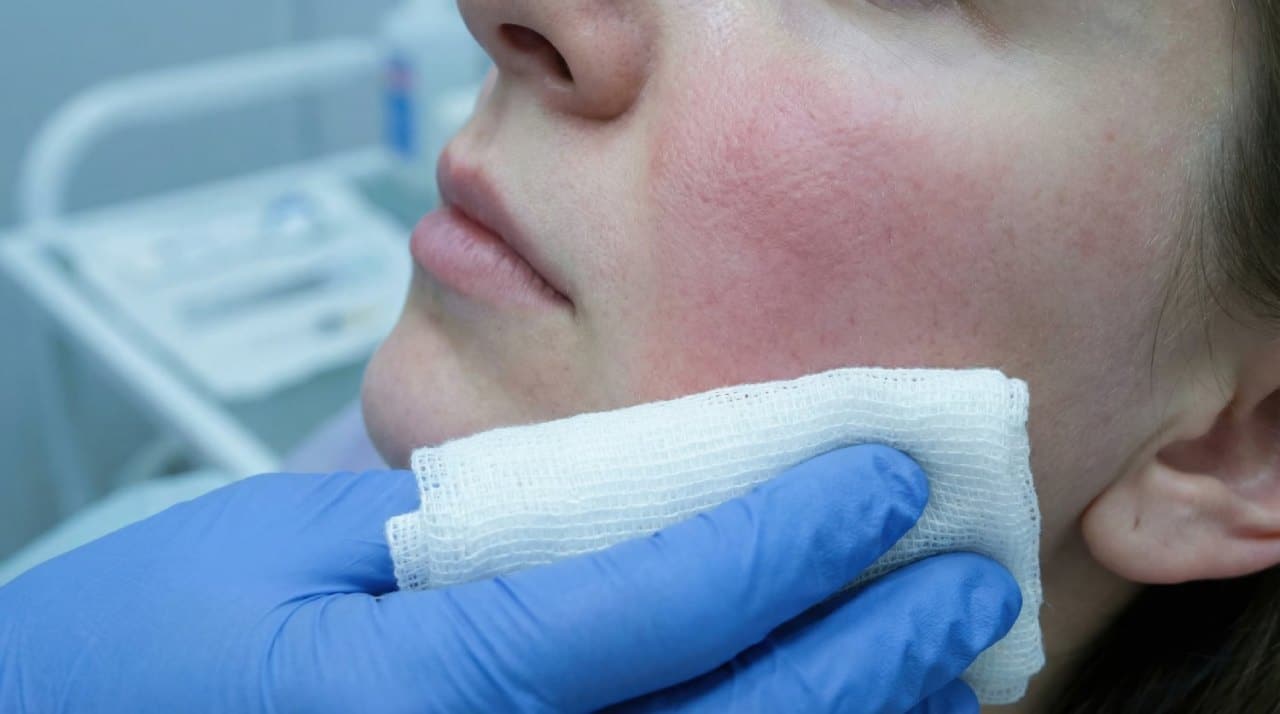
Ordinary skincare still has potential side effects. Cosmetics can trigger irritant or allergic contact dermatitis, which may cause redness, itch, dryness, stinging, swelling or, in more severe reactions, blisters. A reaction may relate to any part of a formula, not necessarily the peptide. Fragrance, preservatives and combining several products can also complicate the picture.
There is no expected recovery period from applying a standard skincare product. However, if your skin reacts, stop the new product rather than trying to use more of it. Recovery can take time after the trigger is avoided, and it is sensible to keep the rest of the routine gentle while you seek advice. See a doctor promptly if a rash is widespread, painful, suddenly appears, is getting worse, has blisters or is accompanied by fever or feeling unwell.
Patch testing a product on a small area may help identify immediate irritation for some people, but it cannot rule out every delayed or facial reaction. If you have a history of eczema, allergies, persistent irritation or a significant reaction to a skincare product, seek individual medical advice before experimenting with another formula. The clinic’s article about realistic expectations also discusses why individual responses and recovery deserve careful consideration.
Considering Your Next Step
The most useful point is that the 500 Dalton rule is a useful filter for a question about skin absorption, not a reason to assume that a peptide skincare product will have a particular effect. Product choice can be kept simple, and doing nothing or continuing a routine that feels comfortable are both valid options. Suitability is assessed at a consultation, where your skin, medical history and preferences can be considered without pressure.
If you are weighing broader cosmetic-care options, you can read the clinic’s cosmetic services information and chemical peel information. These are separate from choosing a topical product, and any procedure has its own possible side effects, risks and recovery needs that should be discussed before proceeding. For a consultation or a general question, use the clinic’s contact page.