
Cosmetic treatment product claims in Australia can be confusing, particularly when a label, website or social post uses scientific-sounding language. Before deciding whether to proceed, it is reasonable to ask what the product is, what the claim actually means and who can explain its limits in your situation.
This is not about trying to judge a product from a headline. It is about having enough clear information to decide whether a consultation is worthwhile, whether another approach makes more sense, or whether you would rather do nothing.
Why Product Claims Need Context
Australian regulation depends on more than the name on a product label. The Therapeutic Goods Administration, or TGA, explains that classification can depend on the claims made, composition, how a product is used, and other factors considered together. Two products that appear similar online may therefore sit within different regulatory arrangements and have different supporting information.
Claims about changing appearance are not the same as claims about changing an underlying process in the body. The useful response is not to try to classify a product yourself. Instead, notice when marketing moves from a modest appearance claim to a broad scientific claim without clear, accessible evidence for the particular product and proposed use.
The public Australian Register of Therapeutic Goods, known as the ARTG, can be a useful starting point for some regulated products. It may show product, sponsor and manufacturer details, and it can be searched by product name, sponsor or ARTG number. The TGA also makes clear that the register is not personal guidance or a recommendation. A database entry does not establish that a product is appropriate for you, and some products may be supplied through other lawful pathways.

How to Check Cosmetic Treatment Product Claims in Australia
Begin with a plain-language explanation. Ask what the product is intended to do, how it would be used during the proposed treatment, and why it has been suggested for you. Ask whether the evidence being discussed relates to the specific product and intended use, rather than to a broad concept used in advertising.
It is also reasonable to ask about sourcing and documentation. A practitioner should be able to explain what information is available about the product and what record will be kept of the procedure. If a product is described as entered in the ARTG, you can ask for the exact product name or ARTG number and check the public register yourself. Treat that check as one piece of information, rather than as a personal recommendation.
Packaging, social-media exposure and a polished label do not replace a balanced discussion of evidence, limits and risk. Ask whether patient information is available to discuss at consultation, what uncertainty remains, and what would lead the practitioner to recommend against the proposed treatment. Clear answers can help you make a considered choice without relying on marketing language alone.
It can also help to ask about alternatives. Depending on your priorities, these may include a simple skincare routine, a device-based procedure, another type of procedure, waiting, or doing nothing. Choosing not to proceed is a reasonable option. No cosmetic treatment is required for normal changes in appearance or ageing.
Consultation, Risks and Recovery
A product check cannot replace an individual health assessment. Every cosmetic procedure has a procedure-specific risk profile. Depending on what is proposed and how it is delivered, side effects can include temporary redness, swelling, discomfort, irritation, bruising or flaking. Less common complications can include infection, changes in skin colour, scarring or an unsatisfactory response. The likely recovery period may be limited, or it may involve several days of visible change and specific aftercare instructions.
Results vary between individuals, including their response and recovery. A consultation is needed to assess suitability, taking account of relevant medical history, current medicines, skin characteristics, previous procedures and the person’s aims. It is appropriate to ask what symptoms should prompt contact with the clinic, who provides aftercare and what follow-up may be needed.
If the discussion involves injectable treatments, consultation must be with a doctor. The doctor can assess suitability and explain the individual risks, side effects, recovery expectations and alternatives. A decision can be delayed or declined if the information does not feel clear enough.
For example, the recovery and risks of a chemical peel depend on the type and depth used. Redness, dryness, flaking and sensitivity can occur, while changes in skin colour, infection and scarring are possible risks. A consultation should explain the particular recovery plan and whether a chemical peel is suitable.
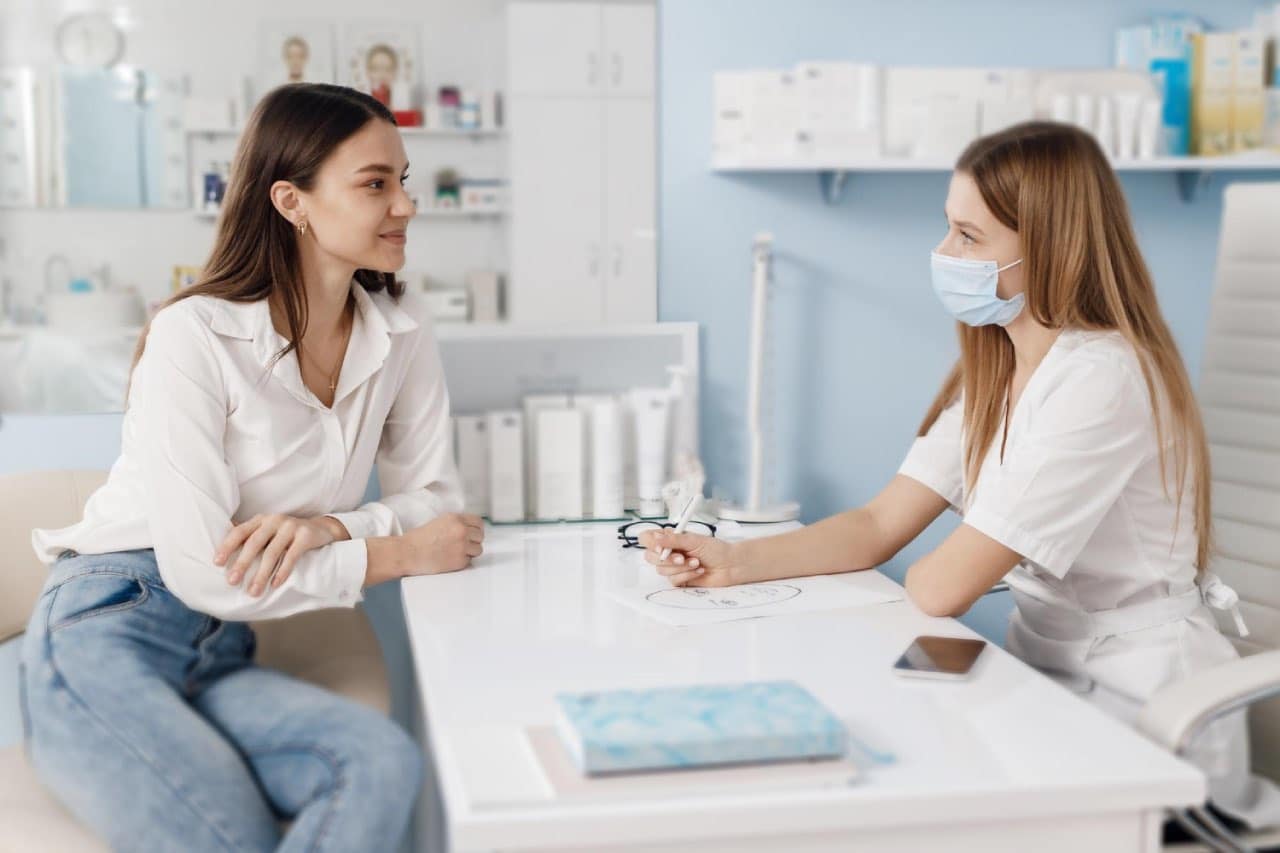
Reading Evidence Without Overreaching
Evidence is strongest when it is relevant to the particular product, the way it will be used and the people studied. Ask whether the information comes from an independent published source, whether it concerns the proposed use, and whether its limits have been explained. A broad scientific idea does not automatically answer those questions for an individual product.
Australian advertising guidance expects cosmetic information to be balanced and accurate. It should present risk and recovery honestly and make clear that outcomes depend on individual characteristics. Language that leaves out uncertainty, alternatives or recovery planning does not give a full basis for a personal decision.
You may also find the clinic’s articles on planning a first cosmetic treatment consultation, thinking about realistic expectations and questions to raise about light-based treatments useful when comparing questions to raise with a practitioner.
Considering Your Next Step
The most useful question is whether a product claim can be explained clearly for the exact product and proposed use, with its evidence, limits, risks and recovery included. Suitability is assessed at consultation, not from an online claim or register entry.
For background on the clinic’s cosmetic services, its skin-tightening service information and its chemical peel service information, read the relevant service pages before a discussion. They can provide context, while an individual consultation considers the questions that apply to you.
If you would like to discuss product information, procedure options or whether no treatment is the right choice for now, you can contact the clinic to arrange a consultation.