
If you are researching a chemical peel Brisbane option, it is reasonable to want a clear account of what the procedure involves before deciding whether to have one. A chemical peel is a skin-resurfacing procedure in which a clinician applies a chemical solution to create measured shedding in selected outer layers of skin. It may be considered when texture or uneven colour is a concern, but it is not a required part of skin care and it is not suited to every concern. Any change after a procedure, and the healing experience, varies from person to person.
What Does a Chemical Peel Involve?
Chemical peels are described by the depth of skin affected. A superficial peel acts on the outermost layer. A deeper peel reaches further into the skin. This difference matters because depth is linked with both the recovery period and the potential for side effects. It is not possible to choose an appropriate approach from a treatment name alone.
The chemical solution, the way it is applied and the area being considered all form part of the decision. A clinician should assess the person in front of them rather than use a standard plan. In practice, the discussion may include the concern being explored, the condition of the skin, past reactions to procedures, relevant health information, everyday sun exposure and the time available for recovery.
A peel may be considered for surface texture or uneven pigmentation, among other cosmetic concerns. It cannot address every type of change in the skin. For example, an assessment may identify that a different approach, a simpler skin-care routine, or no procedure is more appropriate. The purpose of a consultation is not to assume that a procedure is needed; it is to make space for an informed choice.
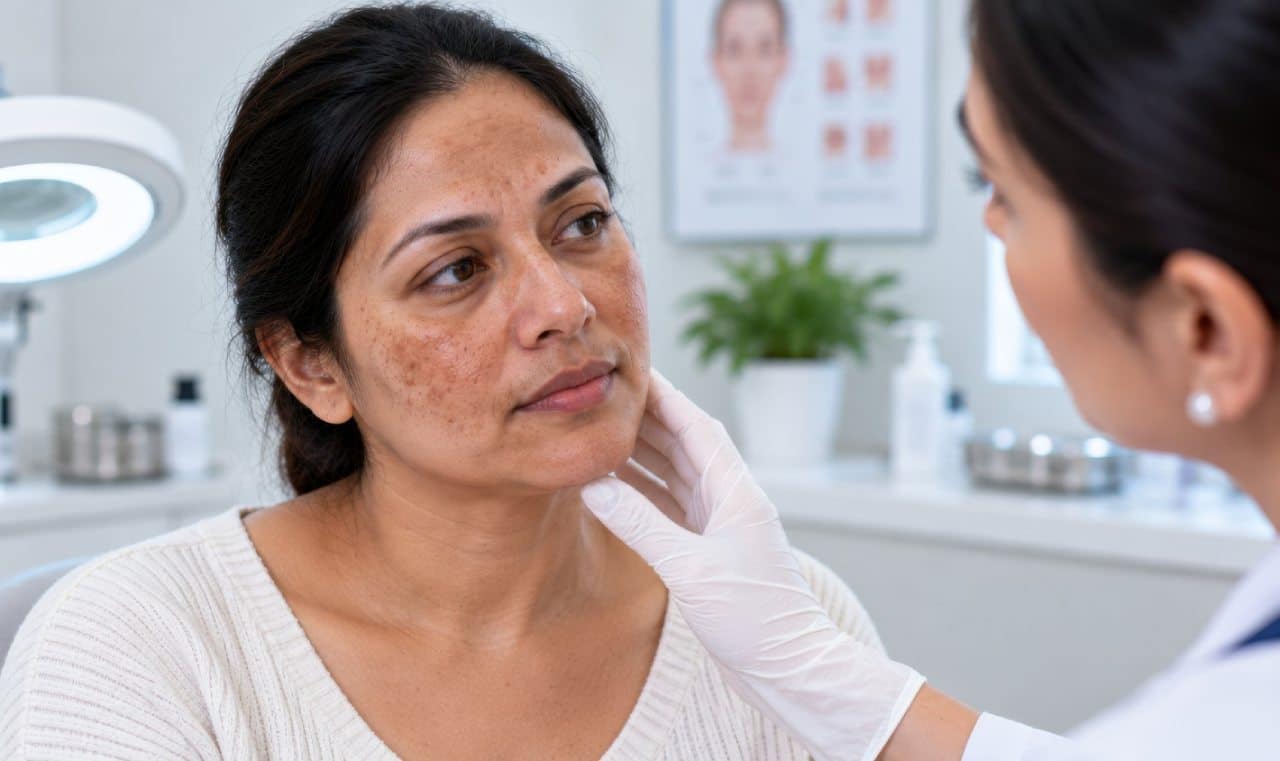
Chemical Peel Brisbane: Why Assessment Matters
A consultation is needed to assess suitability before a chemical peel. It is also the opportunity to explain what is known and what remains uncertain for an individual. Skin can respond differently to the same procedure, particularly where there is a history of sensitivity, uneven pigment after inflammation, or a pattern of pigment that changes with sun exposure or hormones.
Assessment should include a conversation about current skin products, recent procedures, medications and relevant medical history. It should also cover whether the treatment area is settled at the time of the appointment. These details can affect whether a peel is deferred, modified or not recommended. They also help a clinician give aftercare instructions that fit the individual rather than a generic routine.
It can be useful to ask what depth is being considered, what the recovery may look like, which side effects need monitoring and how to contact the clinic with a concern. You may also wish to ask what outcome is realistic for the particular concern, whether more than one approach is being considered, and what choosing not to proceed would mean. Results vary, and a consultation should not make outcomes sound certain.
Recovery, Side Effects and Risks to Weigh Up
Recovery is part of the procedure, not an afterthought. Temporary redness, warmth, dryness, tightness, sensitivity and visible shedding can occur. The degree and duration vary with the depth of the peel, the area treated and individual healing. A deeper procedure generally involves a longer recovery period and a greater chance of unwanted effects than a more superficial procedure.
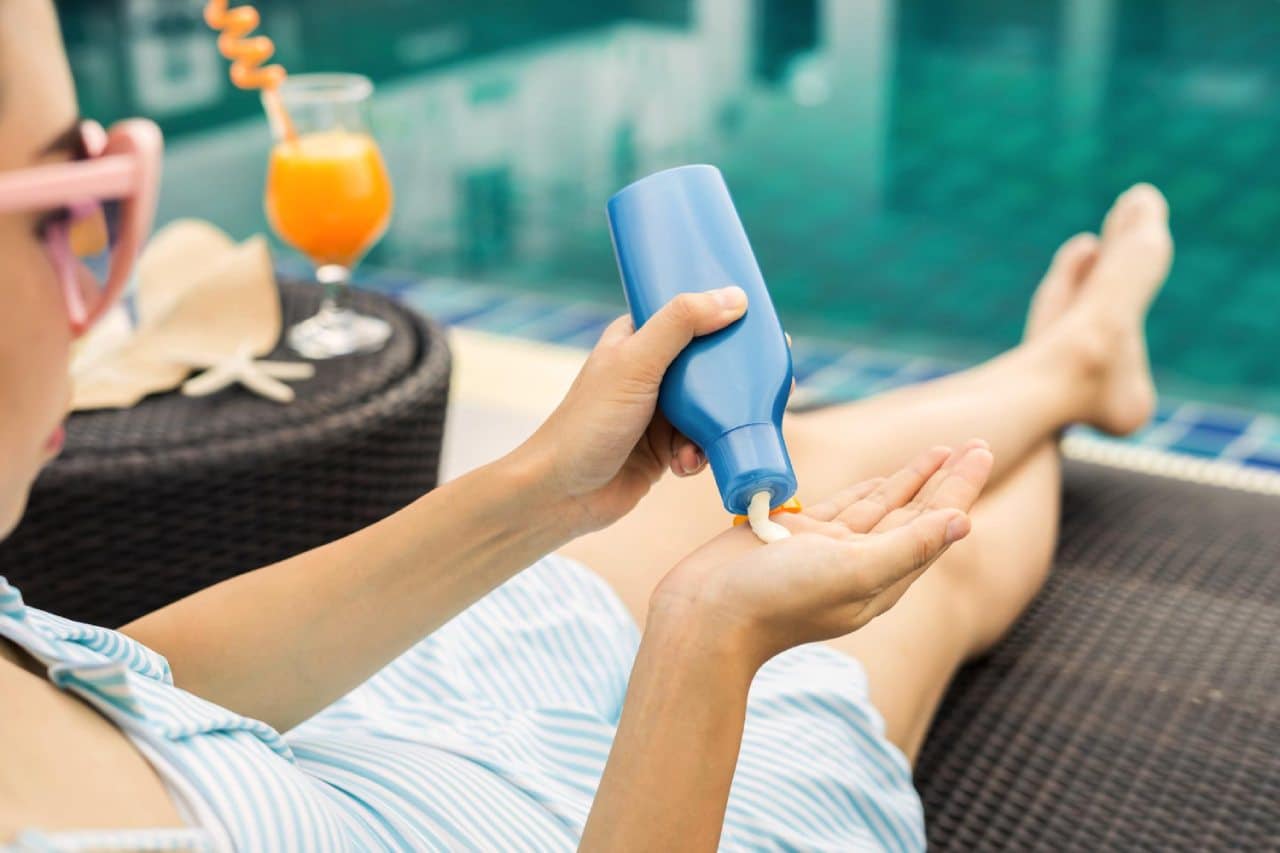
Follow the aftercare instructions provided for your own procedure. During healing, rubbing, picking or using products not recommended for your skin can add irritation. Planning for Brisbane’s outdoor conditions is also sensible. Sun exposure can contribute to pigment changes, so sun-protective measures and the advice given at consultation matter during recovery and beyond.
Risks can include prolonged redness, swelling, blistering, irritation or an allergic reaction. Less common but important risks include infection, delayed healing, a change in skin colour and scarring. Inflammation or skin trauma can contribute to post-inflammatory hyperpigmentation, which is a darker mark that may persist after the original irritation settles. This possibility deserves particular discussion for anyone with a history of pigment change after skin irritation.
Contact the clinic promptly if pain is increasing rather than settling, if blistering is extensive, or if there is unusual discharge, marked swelling or another unexpected change during recovery. If you are worried about a changing or concerning skin mark, it should be assessed medically rather than treated as a cosmetic texture or pigment concern.
Alternatives and Questions That Can Help You Decide
A chemical peel is one option, not a default. Alternatives may include a consistent sun-protection routine, a review of skin products with an appropriate health professional, considering a different non-surgical cosmetic approach after assessment, or waiting and observing. Doing nothing is also a valid option. There is no pressure to have a procedure simply because it has been discussed.
The decision may be easier when it is connected to a practical plan. Consider whether you can allow for visible recovery, avoid activities that could irritate healing skin, and follow individual aftercare advice. It is reasonable to pause if the timing is inconvenient, if the information does not feel clear, or if the potential risks do not feel acceptable to you.
For further background, the clinic has articles on understanding skin pigmentation, realistic expectations before a cosmetic procedure and skin preparation before laser resurfacing. These are general reading only. They do not replace an assessment of your own skin, medical history or recovery needs.
Considering Your Next Step
The most useful starting point is that a chemical peel is an individual decision rather than a standard skin-care step. Its depth, possible recovery and risk profile need to be considered alongside the area involved, your skin’s past responses and your ability to follow aftercare. Suitability is assessed at a consultation, where you can discuss the clinic’s chemical peel service and the broader cosmetic services available. If you would like to arrange a conversation or ask a practical question, use the clinic contact page. There is no obligation to proceed after a consultation.