
Dermatology
Skin Cancer Clinic
Thousands of Australians die from skin cancer each year. Early detection, such as removing moles for both prevention and cosmetic beauty will reduce any concerns in the future. Dr Tina Fang is a qualified skin cancer doctor and can assist with doing a thorough skin check.
Brisbane Skin Cancer Clinic
Skin Cancer Treatments
Mole Removal, Skin Cancer Checks & Treatments
Skin Cancer Treatments
Skin Cancer Checks
Biopsy
Cryotherapy
Excisions
Photodynamic Therapy
Topical Agents
Why Is It Important To Have Your Skin Checked?
Queensland has one of the highest rates of skin cancer in the world
In Australia, most skin cancers are caused by too much exposure to UV radiation from the sun
Early detection significantly increases the chances of successful treatment and improves outcomes
The process is typically quick and painless, making it an easy but crucial part of your skin health regimen
Embarrassment, anxiety or lack of knowledge can cause people not to get their skin checked regularly. Therefore, it is highly important our patients have a discrete and positive experience with us. We are committed to your care throughout the process and helping you understand the skin checking process, the risks and treatment options, should there be any potential concerns.
Key Skin Cancer Check Information
What is a skin check?
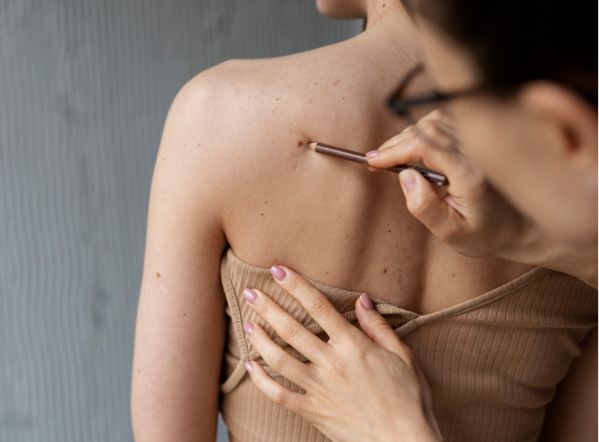
A skin check is a thorough examination of your skin by a healthcare professional, usually a dermatologist or skin cancer specialist, to look for signs of skin cancer or precancerous conditions.
Why are skin checks important?
Early detection of skin cancer can lead to a higher chance of successful treatment. Skin checks help identify suspicious moles or skin changes early on.
What happens during a skin check?
A skin check is a thorough examination of your skin by a healthcare professional, usually a dermatologist or skin cancer specialist, to look for signs of skin cancer or precancerous conditions.
How often should I have a skin check?
Recommendations vary depending on your risk factors, but generally, an annual skin check is advised for adults. Those at higher risk may need more frequent checks.
What is physical sunscreen/ zinc based sunscreen?
Zinc oxide is a mineral compound that provides broad-spectrum protection against both UVA and UVB rays from the sun.
Zinc-based sunscreens work by forming a physical barrier on the skin that reflects and scatters the UV rays away, thus preventing them from penetrating the skin.
There are several advantages to using zinc-based sunscreens.
- Immediate protection upon application, as they do not need to be absorbed by the skin to start working.
- Non- irritating and anti-inflammatory, making it ideal for extremely sensitive skin or following clinical treatments.
- It is non-comedogenic and will not clog pores. Suitable for congested and acne-prone skin.
- Zinc-based sunscreens are generally more photostable, meaning they maintain their effectiveness for longer periods of time in the sun compared to some chemical sunscreens that may degrade over time.
Can a skin check detect all skin cancers?
While skin checks are very effective in detecting many skin cancers early, no screening method is 100% foolproof. It's important to continue self-examinations and report any changes to your doctor.
What if the doctor finds something during the skin check?
If something suspicious is found, the doctor may take a biopsy (a small sample of skin) to examine further. They will discuss the next steps, which could include monitoring, treatment, or referral to a specialist.
What should I look for between skin checks?
Be aware of new moles, changes in existing moles (size, shape, colour), sores that do not heal, or any new skin changes.
The ABCDE rule (Asymmetry, Border, Colour, Diameter, Evolving) can help you remember what to look for.
How can I prepare for a skin check?
Come with clean skin free of makeup or nail polish. Have a list of any changes you've noticed in your skin, and be ready to discuss your own and your family's history of skin cancer.
Why go to a skin cancer clinic to have my skin check?
Visiting a skin cancer clinic is a crucial step and proactive step towards looking after your skin health and overall well-being. Here are several reasons why seeking professional care at a skin cancer clinic is essential:
1. Early Detection Saves Lives
Skin cancer, when detected early, is highly treatable. Skin cancer clinics are equipped with experienced dermatologists who specialise in recognising the early signs of skin cancer, conducting thorough examinations to identify potential issues at the earliest stage possible.
2. Specialised Expertise
Dermatologists at skin cancer clinics possess specialised training in skin conditions, ensuring a higher level of expertise in diagnosing and treating various skin cancers. Their knowledge allows for accurate assessments and personalised treatment plans tailored to individual needs.
3. Advanced Technology and Equipment
Skin cancer clinics often have access to cutting-edge diagnostic tools and technologies, such as dermoscopy and mole mapping systems. These tools enhance the accuracy of skin cancer detection, enabling a comprehensive and detailed analysis of skin lesions.
4. Comprehensive Skin Examinations
Skin cancer clinics offer thorough skin examinations, including areas that may be difficult to self-monitor. Dermatologists are trained to identify suspicious moles or lesions that may go unnoticed by the untrained eye.
5. Education and Prevention
Beyond diagnosis and treatment, skin cancer clinics provide valuable education on sun safety, skin cancer prevention, and regular self-examinations. Understanding how to protect your skin and detect early warning signs empowers you to take an active role in your skin health.
6. Biopsy and Pathology Services
If a suspicious lesion is identified, skin cancer clinics can perform biopsies and send samples for pathology analysis. This ensures an accurate diagnosis and aids in developing an appropriate treatment plan.
7. Holistic Approach to Skin Health
Skin cancer clinics often adopt a holistic approach to skin health, addressing not only skin cancer concerns but also providing guidance on general skin care and overall well-being.
8. Peace of Mind
Regular visits to a skin cancer clinic offer peace of mind, knowing that your skin is regularly monitored by professionals who are dedicated to identifying and addressing any potential issues promptly.
How often should I have my skin checked?
As September 2021 update (subject to change) the Cancer Council Queensland recommends regular skin checks for early detection of skin cancer. The frequency of skin checks may vary based on individual risk factors and personal history. However, a general recommendation is to have a professional skin check every 12 months.
For individuals with a higher risk of skin cancer, such as those with fair skin, a history of sunburns, a family history of skin cancer, or a significant amount of sun exposure, more frequent checks may be advisable. It's essential to discuss your specific risk factors with a healthcare professional to determine the most appropriate schedule for skin checks.
Additionally, practicing regular self-examinations of the skin at home is encouraged. This involves monitoring moles and any changes in the skin's appearance and bringing any concerning changes to the attention of a healthcare professional promptly.
For the most accurate and up-to-date guidance tailored to your individual circumstances, it is recommended to consult with a local healthcare professional or dermatologist in Queensland

Advanced Certificate of Aesthetic Medicine
Healthcert

Fellowship of the Royal Australian College of General Practitioners 2019

Skin Cancer College Australasia
Advanced Skin Surgery
Your Trusted Skin Cancer Doctor
Dr Tina has been trained extensively in skin cancer medicine and surgery.
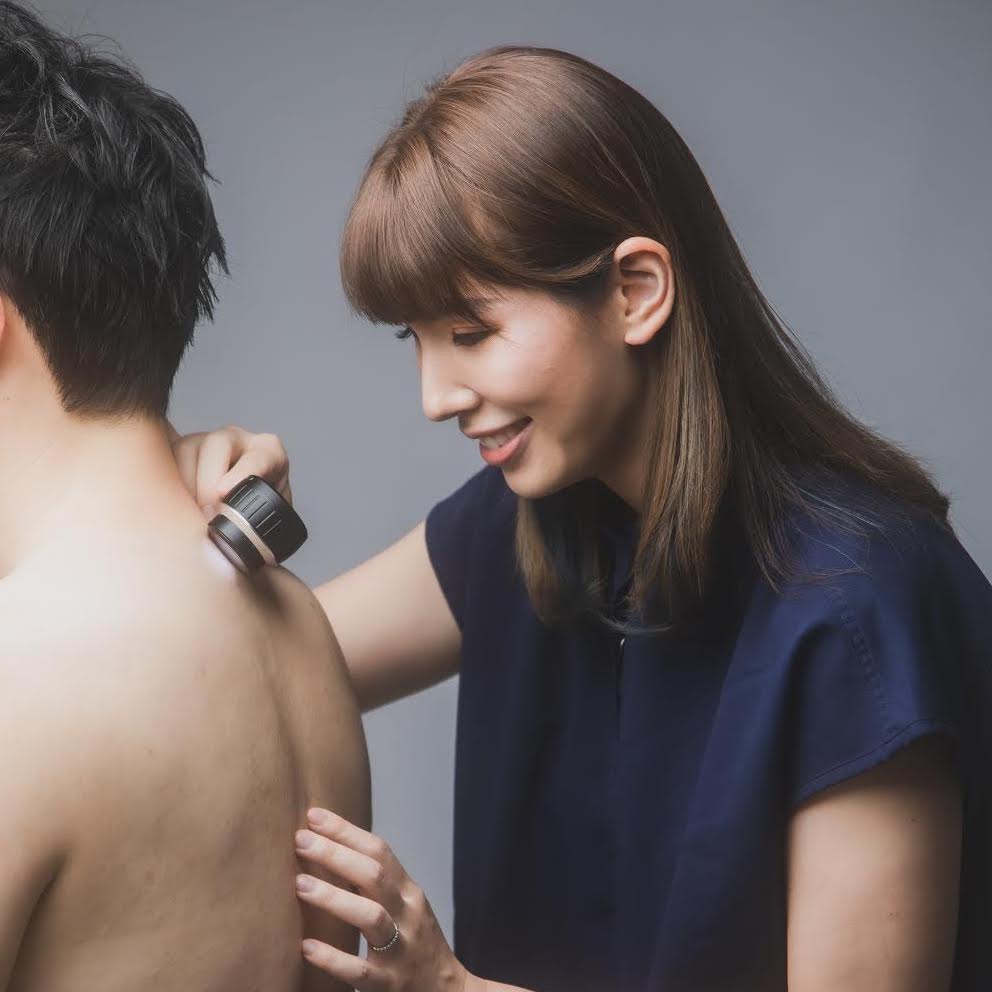
Dr Tina Fang is a qualified female Skin Cancer Doctor in Brisbane, known for her extensive knowledge in both skin cancer and aesthetic medicine. She works across three large specialised skin cancer clinics that check thousands of skins every year, and has been working full time in dedicated skin cancer and cosmetic clinics since 2019.
After completing training and qualifications in dermatoscopy, advanced skin cancer surgery, and advanced aesthetic medicine, Dr Tina offers comprehensive skin checks and skin cancer management. She thoroughly examines the skin for any potential issues, evaluating each detail with a keen eye, and provides clear guidance and appropriate treatment recommendations informed by years of experience and the latest medical best practice.
In addition to skin cancer care, Dr Tina is passionate about hair loss treatments, cosmetic injectables, and cosmetic mole removal, offering a holistic approach to prevention, early detection, and aesthetic treatments.
Skin cancer occurs when the cells of the skin are damaged and begin to grow abnormally
- usually from too much exposure to ultraviolet (UV) radiation from the sun or tanning beds.
In Australia, the incidence of skin cancer is one of the highest in the world, 2-3 times greater than that of the US and the UK.
Skin cancer is a type of cancer that develops when there is an uncontrolled growth of abnormal cells in the skin. It is primarily caused by excessive exposure to ultraviolet (UV) radiation from the sun or artificial sources like tanning beds. The abnormal growth of the skin cells forms a tumour in the skin, which can be either benign (non-cancerous) or malignant (cancerous).

Understanding Skin Cancer
“Queensland is known for having the highest rates of skin cancer globally. It is critical to have your skin checks done annually with a qualified skin cancer doctor.”
Queensland, known as the “Skin Cancer Capital of the World,” experiences the highest skin cancer rates globally. Each year, over 3,600 cases of melanoma and more than 350,000 non-melanoma skin cancers are addressed, exceeding road accident fatalities. This critical health issue underlines the necessity for enhanced sun protection awareness and the ambitious goal to reduce skin cancer incidents by 25% by 2050. Therefore, regular skin checks are indispensable in Queensland for the early detection and successful treatment of skin cancer.
Anyone can be at risk of developing skin cancer, but the risk increases with age. In Australia, most skin cancers are caused by too much exposure to UV radiation from the sun, although it can also be caused by non-natural sources such as sun beds (solariums). Factors that influence your risk of getting skin cancer are:
- Actively tan or use sun beds
- Work, play sports or spend leisure time in the sun
- Family history of skin cancer
- Fair or freckled skin that burns easily
- Red or fair coloured hair, light coloured eyes
Types of Skin Cancer
Basal cell carcinoma (BCC)
Starts in the lower layer of the dermis and contributes to approximately 70% of all non-melanoma skin cancers. BCC grows slowly over several months or years and can cause damage to nearby tissue if left untreated. The earlier it is diagnosed, the easier it is to treat. BCC rarely spreads to other parts of the body.
Squamous cell carcinoma (SCC)
Starts in the upper layer of the dermis and contributes to approximately 30% of non-melanoma skin cancers. SCC can spread to other parts of the body if left untreated, SCC on the lips or ears are a higher risk and should be examined by a doctor as soon as possible. SCC in situ, or Bowen disease, is an early form of SCC that appears red and scaly. This may develop into an invasive SCC if left untreated so should be examined by a doctor as soon as possible.
Melanoma
Starts in the melanocyte cells of the skin, the cells that give your skin its colour. Melanoma is less common than non-melanoma skin cancers but is considered the most serious form of skin cancer. This is due to its increased risk of spreading to other areas of the body (metastasis) such as lymph nodes, lungs, liver, brain, and bones.
There are other types of skin cancer, such as Merkel cell carcinoma and angiosarcoma, but they are rare. Please visit the Cancer Council website for more information on these.
Signs and symptoms
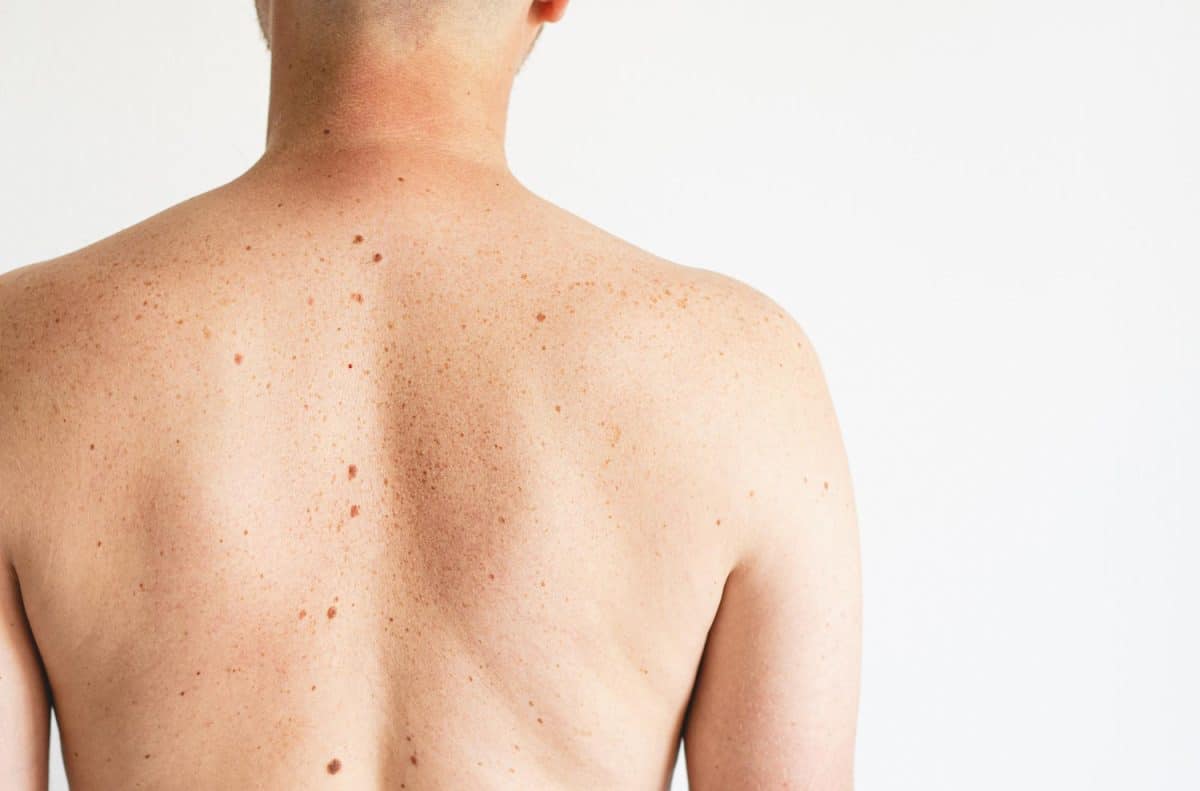
Become familiar with your skin, spots, and moles so you can quickly notice any changes Look out for any crusty, non-healing sores, small lumps that are red, pale, or pearly in colour and any new spots, freckles or moles that change in colour, thickness, or shape over time.
There are certain characteristics to look for, we recommend using the ABCDE method of checking your skin:
Asymmetry — does each side of the spot or mole look different to the other?
Border — is it irregular, jagged, or spreading?
Colours — are there several, or is the colour uneven or blotchy?
Diameter — look for spots that are getting bigger. Melanoma growths are often greater than 6mm, which is roughly the size of a standard pencil eraser.
Evolution — is the spot or mole changing or growing over time? Look for changes in size, shape, and colour.
If you notice any of the ABCDEs of melanoma, book a skin check with Dr Tina Fang at 07 3852 4878. Adults should check their skin every 3 months and have a full skin examination once a year. Dr Tina Fang offers bulk-billed full skin checks – simply inform reception when booking.
Key Elements to Skin Cancer Prevention
To keep your skin healthy and reduce the risk of skin cancer, there are three important things to remember: protect, prevent, and detect.
Protect
The sun can be harsh, particularly between 11 am and 3 pm, so try to stay out of direct sunlight during these hours. When outdoors, slip on sun-protective clothing that covers as much skin as possible, slap on a hat that shades your face, neck and ears, and slide on sunglasses to shield your eyes from UV damage.
Always slop on broad-spectrum sunscreen SPF 30 or higher, applying it 20 minutes before sun exposure and reapplying every two hours, especially if swimming or sweating. If reapplying during the day is difficult due to makeup, choose a mineral sunscreen containing zinc oxide or titanium oxide, which forms a physical barrier that reflects UV radiation.
Whenever possible, seek shade to reduce UV exposure and prevent sunburn.
Prevent
Taking preventive measures helps reduce cumulative sun damage and lowers the risk of skin cancer. Always avoid getting sunburned and stay away from artificial UV radiation such as sun lamps, solariums, and sun beds. Keep newborns out of direct sunlight, and apply sunscreen to babies aged six months and older to protect their sensitive skin.
Detect
Early detection significantly improves treatment outcomes. Conduct monthly self-examinations, checking your skin from head to toe for any new or changing spots. In addition, schedule a yearly skin examination with a doctor or dermatologist, who can identify potential issues early and provide timely care.
Nicotinamide And Skin Cancer Prevention
There is evidence to suggest that nicotinamide, taken in a dosage of 500mg twice a day, may help in the prevention of certain types of skin cancer. Nicotinamide is a form of vitamin B3 and is known for its protective effects on the skin. It has been found to enhance DNA repair and reduce immune suppression caused by ultraviolet (UV) radiation exposure.
Several studies have shown promising results regarding the use of nicotinamide in preventing non-melanoma skin cancers, such as basal cell carcinoma and squamous cell carcinoma. However, it’s important to note that more research is needed to establish the exact dosage, duration, and effectiveness of nicotinamide for skin cancer prevention.
Real People. Real Stories.
*‘If You Could See UV|Protect Your Skin.’ Youtube by cancerNSW.

Nadine's Skin Cancer Story

Corey's Skin Cancer Story

Ella's Skin Cancer Story
Videos by Cancer NSW
Aftercare Instructions for Skin Cancer
Lorem ipsum
Where to find me
Australian Skin cancer clinic Annerley
Tuesday & Wednesday
11 Waterton St Annerley
QLD 4103 Australia
Tel: 07 3426 6800
SunDoctors Morningside
Friday & Saturday
Lifetime House, 6 Thynne Rd Morningside
QLD 4170 Australia
Tel: 07 3392 5700