
Melasma Management: A Slow and Gentle Approach for Australian Skin
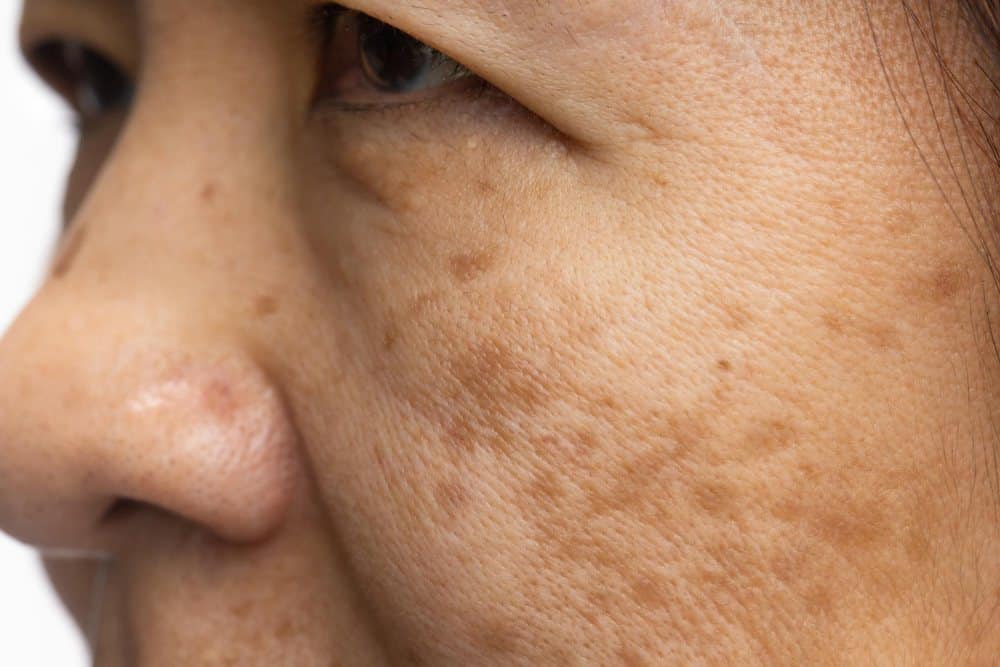
Melasma is a common and complex skin concern that presents as symmetrical, brown or greyish patches on the face, typically affecting the cheeks, forehead, upper lip, and chin. For women in Australia, particularly those navigating hormonal transitions around their fifties, managing melasma is a major clinical focus. Unlike standard sun damage, melasma is driven by a combination of genetic predisposition, ultraviolet radiation, and hormonal factors such as oestrogen fluctuations. The melanocytes in melasma affected skin are hyper excitable, meaning they are highly reactive to minimal stimuli, including heat, friction, and UV light. Because of this extreme sensitivity, aggressive treatments can cause rebound hyperpigmentation, making the condition worse. A cosmetic physician must design a treatment plan that prioritises a slow, gentle, and multi modality approach to achieve a clearer and more even complexion.
Understanding the Root Causes of Melasma
To manage melasma effectively, it is essential to understand the biological mechanisms of skin pigmentation. Melanocytes are pigment producing cells located at the base of the epidermis, near the basement membrane. These cells produce melanin, which is packaged into melanosomes and transferred to surrounding skin cells to protect the skin from ultraviolet radiation. While individuals of all skin colours have a similar number of melanocytes, those with darker skin types produce more melanin. In melasma, specific clusters of melanocytes become hyperactive, producing excessive pigment with minimal provocation.
Hormonal factors play a major role in triggering and exacerbating melasma. Oestrogen exposure from pregnancy, oral contraceptives, or hormone replacement therapy can stimulate melanocytes to overproduce pigment. This is why melasma is often referred to as the mask of pregnancy, though it frequently persists long after childbirth or emerges during perimenopause and menopause.
Environmental triggers, particularly ultraviolet radiation, are equally significant. In Australia, where the UV index is frequently high, even brief incidental sun exposure can trigger a melasma flare up. Interestingly, research suggests that even visible light, such as LED or fluorescent lighting in clinical or office settings, can be sufficient to stimulate pigment production in highly sensitive individuals.
The Three Types of Melasma
Melasma is classified into three distinct categories based on the depth of the pigment within the skin layers:
| Melasma Type | Pigment Depth | Visual Characteristics | Treatment Responsiveness |
|---|---|---|---|
| Epidermal Melasma | Superficial (Epidermis) | Dark brown patches with well defined borders | Responds most rapidly to topical therapies and gentle lasers |
| Dermal Melasma | Deep (Dermis) | Light brown, grey, or blue grey patches with undefined borders | Highly resistant to standard topical treatments |
| Mixed Melasma | Epidermal and Dermal | A combination of dark brown, grey, and blue grey patches | Most common form; requires a combined, long term strategy |
A cosmetic physician utilises diagnostic tools such as a Wood’s lamp or a dermatoscope to determine the depth of the pigmentation. Under a dermatoscope, superficial epidermal pigment appears dark brown or black, whereas deeper dermal pigment exhibits a blue or grey hue. Identifying the specific type of melasma is crucial because a treatment that works for superficial pigment will not be effective for deeper dermal pigment. For a complete breakdown of how to identify these pigment types, please read our comprehensive guide on understanding skin pigmentation.
The Slow and Gentle Treatment Strategy
The gold standard for treating melasma is to go slow and use low energy settings. Aggressive laser treatments or strong chemical peels can inflame the skin, leading to post inflammatory hyperpigmentation. When the skin is injured, it produces more melanin as a protective response, which can lead to a severe rebound of melasma that is darker and more difficult to treat than the original pigmentation.
A highly effective laser modality for melasma is low energy Q switched Nd YAG laser toning. The Q switched laser delivers energy in extremely short nanosecond pulses, creating a photoacoustic effect rather than a photothermal effect. This means the laser shatters the pigment particles mechanically with minimal heat production, reducing the risk of exciting the melanocytes. To understand why this nanosecond technology is preferred over newer options, see our analysis of the Q switched laser vs pico laser. A typical protocol involves laser toning sessions performed every one to four weeks, utilizing very low energy levels, such as 1.0 to 1.2 Joules, compared to the much higher energies used for standard sun spots.
In addition to laser toning, addressing the vascular component of melasma is highly beneficial. There is strong clinical evidence that blood vessels feed pigment producing cells through vascular endothelial growth factor receptors. If a patient has both redness and pigmentation, treating the vascular component first with a dedicated vascular laser or conservative laser toning can yield a significantly better long term outcome. For more information on combining these clinical technologies, read about our approach to combining modalities.
Daily Home Care and Prevention
No professional treatment can succeed without a strict daily home care regimen. Because melasma is a chronic, lifelong condition, daily prevention is paramount.
- Sun Protection: Patients must apply a broad spectrum SPF 50 plus sunscreen daily, regardless of the weather or UV index. Even in winter when the UV index is low, there is still ample UVA radiation, which has a longer wavelength that penetrates clouds and window glass, stimulating pigment production.
- Topical Tyrosinase Inhibitors: Daily skincare should include ingredients that block tyrosinase, the copper containing enzyme responsible for melanin production. Effective agents include hydroquinone, retinoic acid, azelaic acid, kojic acid, tranexamic acid, licorice acid, and ascorbic acid (Vitamin C).
- Gentle Skincare: Avoid aggressive exfoliation, harsh scrubs, and irritating products. Physical friction, such as rubbing the skin during cream application, can trigger inflammation and worsen melasma.
By combining professional, low energy laser treatments with targeted topical therapies and rigorous sun protection, patients can achieve a brighter, more even skin tone while keeping hyperactive melanocytes calm and stable.