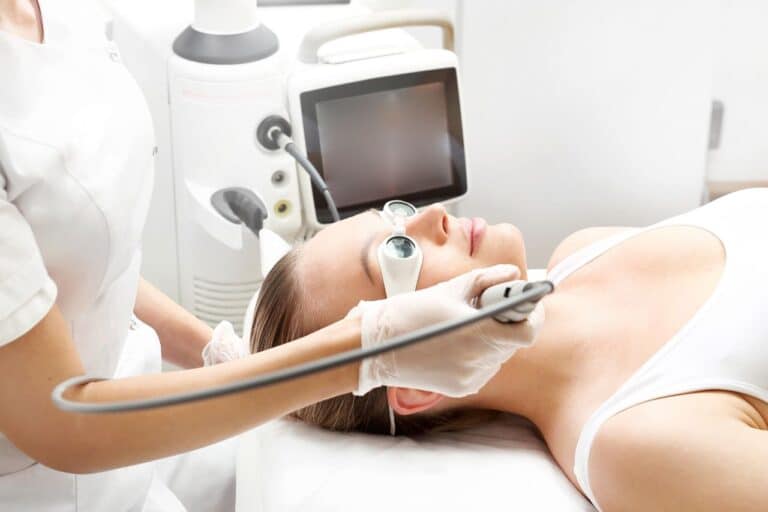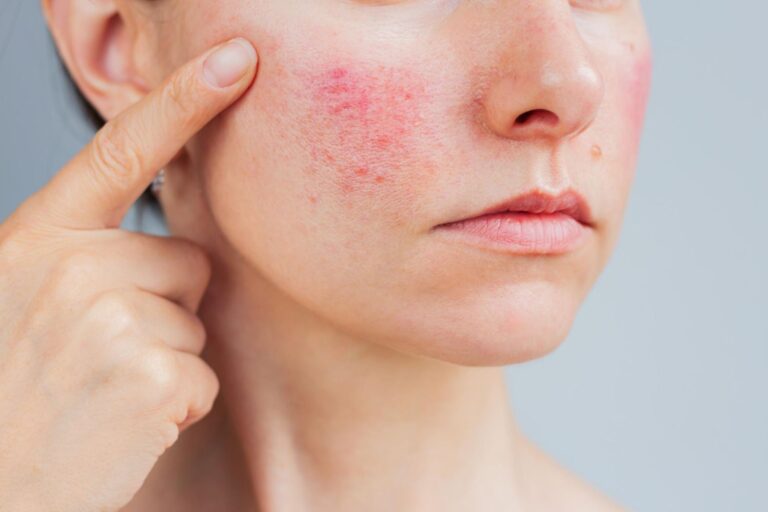
One of the most common concerns people have about aesthetic procedures is pain. The thought of needles and injections can be anxiety-inducing, and the fear of discomfort can sometimes prevent people from pursuing treatments they’re interested in. The good news is that modern aesthetic medicine has many options for managing pain and discomfort during procedures. Understanding how anesthetics work and the different options available can help alleviate anxiety and ensure that your procedure is as comfortable as possible.
Why Comfort Matters
Patient comfort during aesthetic procedures is not just about making the experience pleasant, it’s also important for the quality of the results. When a patient is tense or in pain, their muscles tighten, which can make it more difficult for the practitioner to work precisely. Additionally, anxiety and pain can increase the risk of complications. By ensuring patient comfort, a practitioner can work more effectively and achieve better results.
How Anesthetics Work
Anesthetics work by blocking the transmission of pain signals from the injection site to the brain. Local anesthetics, which are the type used in aesthetic medicine, work by blocking nerve signals in the area where they’re applied or injected.
There are several types of local anesthetics used in aesthetic medicine. Lidocaine is one of the most commonly used. It works quickly and has a relatively short duration of action. Prilocaine and articaine are other options. Some anesthetics are combined with epinephrine (also called adrenaline), which causes blood vessels to constrict. This has several benefits: it reduces bleeding, which improves visibility for the practitioner; it reduces the systemic absorption of the anesthetic, making it safer; and it prolongs the duration of the anesthetic effect.
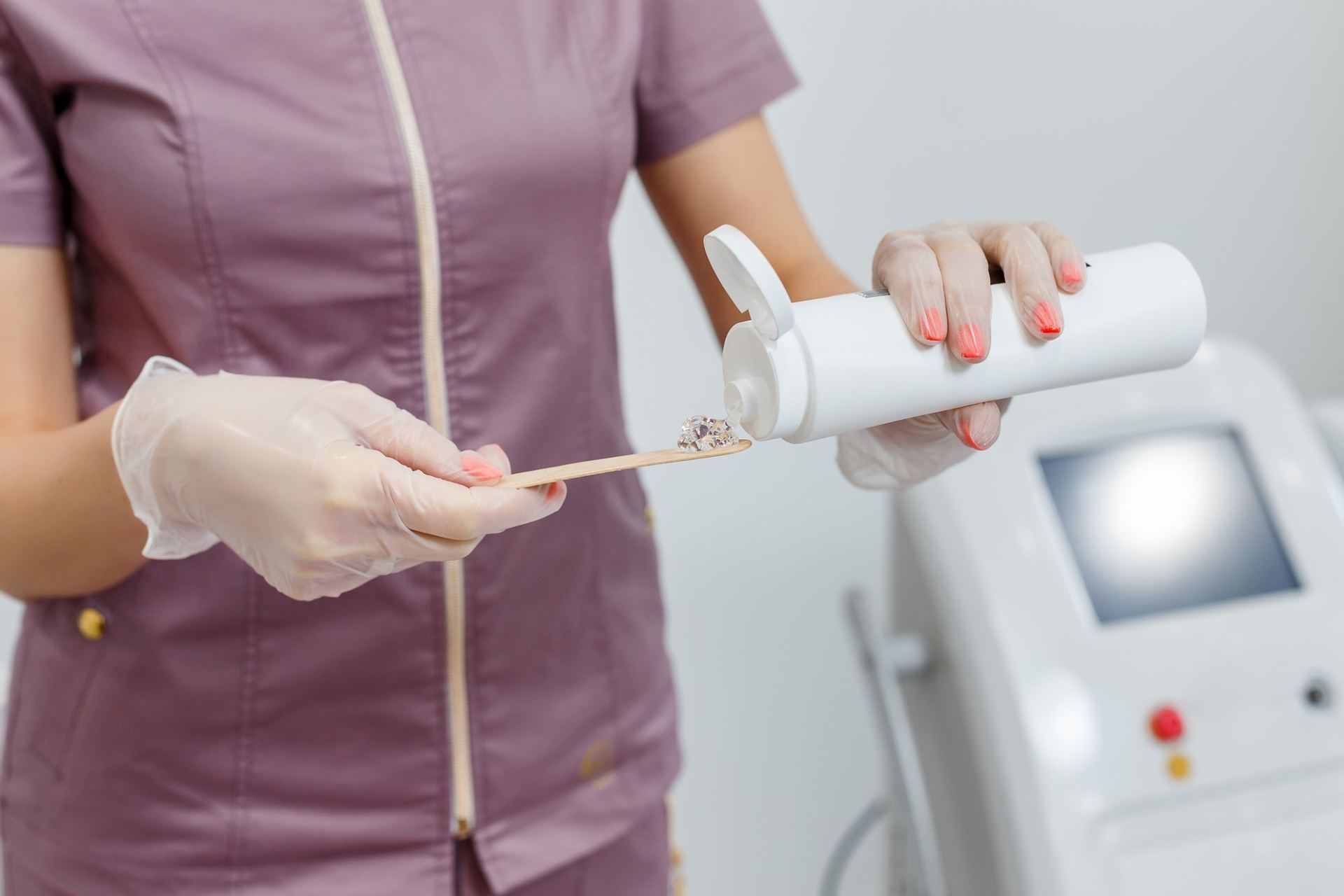
Topical Anesthetics
Before any injections, most practitioners will apply a topical anesthetic to the skin. This is a cream, gel, or spray that numbs the surface of the skin. Common topical anesthetics include lidocaine cream, prilocaine cream, or a combination product.
Topical anesthetics are typically applied 15 to 30 minutes before the procedure to allow time for them to take effect. They reduce the discomfort of the initial needle insertion, which is often the most uncomfortable part of the procedure.
Some practitioners use specialised topical anesthetics that are more effective than standard creams. These might include products with higher concentrations of anesthetic or formulations designed to penetrate more deeply into the skin.
Local Anesthetic Injections
For procedures involving deeper injections or for patients who want maximum comfort, local anesthetic injections may be used. These involve injecting a small amount of anesthetic into the area to be treated. This provides more complete numbness than topical anesthetics alone.
The initial injection of local anesthetic can be slightly uncomfortable, but once the area is numbed, subsequent injections are much more comfortable. A skilled practitioner will use techniques to minimise discomfort during the initial injection, such as injecting slowly, using a very fine needle, and injecting into areas that are already partially numb.
The Technique of Mixing Anesthetics with Fillers
One innovative approach to improving patient comfort is mixing local anesthetic directly with the filler substance before injection. This technique has several advantages.
- First, it improves comfort during the procedure. By mixing anesthetic with the filler, the area remains numb throughout the injection process, making the entire procedure more comfortable.
- Second, research has shown that mixing anesthetic with certain filler substances can reduce post-treatment swelling and bruising. This is thought to be due to the anti-inflammatory properties of the anesthetic.
- Third, mixing anesthetic with filler can improve the ease of injection. Some fillers are quite viscous (thick), which can make them difficult to inject. Mixing with anesthetic reduces the viscosity, making the filler easier to inject and allowing the practitioner to work more smoothly.
However, mixing anesthetic with filler requires careful attention to technique. The mixing must be done properly to ensure that the anesthetic is evenly distributed throughout the filler. Additionally, the concentration of anesthetic must be appropriate, too much can affect the properties of the filler, while too little won’t provide adequate comfort.
Other Comfort Measures
Beyond anesthetics, there are other measures that can be taken to improve comfort during aesthetic procedures.
- Ice packs applied before and during the procedure can reduce discomfort. Cold numbs the area and also reduces inflammation.
- Vibration during injection can reduce the perception of pain. Some practitioners use devices that vibrate the area being treated, which can distract from the sensation of the injection.
- Distraction techniques such as having the patient focus on their breathing, listen to music, or engage in conversation can help to reduce anxiety and the perception of pain.
- Nitrous oxide (laughing gas) is sometimes used in aesthetic medicine to reduce anxiety and discomfort. This is a safe, reversible anesthetic that wears off quickly.
- Oral sedation may be used for patients with severe anxiety or for more extensive procedures. This involves taking a sedative medication before the procedure to promote relaxation.
What to Expect During and After Treatment
During the procedure, you should feel pressure and possibly some mild discomfort, but you should not feel sharp pain. If you do experience sharp pain, let your practitioner know immediately. They can apply additional anesthetic or adjust their technique.
After the procedure, you may experience some mild discomfort or tenderness at the injection sites. This is normal and typically resolves within a few hours to a day. Over-the-counter pain relievers like paracetamol or ibuprofen can help if needed. You may also experience some redness, swelling, or bruising at the injection sites. These are normal healing responses and typically resolve within a few days to a week.
Preparing for Your Procedure
To minimise discomfort during your procedure, there are several things you can do in preparation.
- Avoid blood-thinning medications and supplements for a few days before the procedure if possible. These can increase bleeding and bruising, which can make the procedure more uncomfortable.
- Get adequate sleep the night before your procedure. Being well-rested can help you feel calmer and more comfortable.
- Eat a light meal before your procedure. Low blood sugar can make you feel faint or anxious.
- Arrive early for your appointment so you have time to relax and prepare mentally.
- Discuss any anxiety or concerns with your practitioner before the procedure. They can provide reassurance and may be able to adjust their approach to maximise your comfort.
Conclusion
Modern aesthetic medicine has many options for managing pain and discomfort during procedures. From topical anesthetics to local anesthetic injections to innovative techniques like mixing anesthetics with fillers, practitioners have numerous tools to ensure patient comfort. If you’re concerned about discomfort during an aesthetic procedure, discuss your concerns with your practitioner. A good practitioner will take your comfort seriously and will work with you to ensure that your procedure is as comfortable as possible.
Dr Tina Fang MBBS FRACGP FACAM is a cosmetic physician with 10 years of experience in aesthetic medicine, committed to ensuring patient comfort and safety during all procedures. To book a consultation and discuss comfort measures for your aesthetic goals, contact us at 07 3472 7477 or book online. We are located at Level 2, 1808 Logan Rd, Upper Mt Gravatt, QLD 4122.