Stretch marks are a common skin concern that affects millions of people worldwide. They can appear on the abdomen, breasts, thighs, buttocks, and other areas of the body. While they’re not dangerous and don’t pose any health risks, many people find them cosmetically bothersome. Understanding what stretch marks are, why they form, and what evidence-based treatment options are available can help you make informed decisions about addressing this concern.
What Are Stretch Marks?
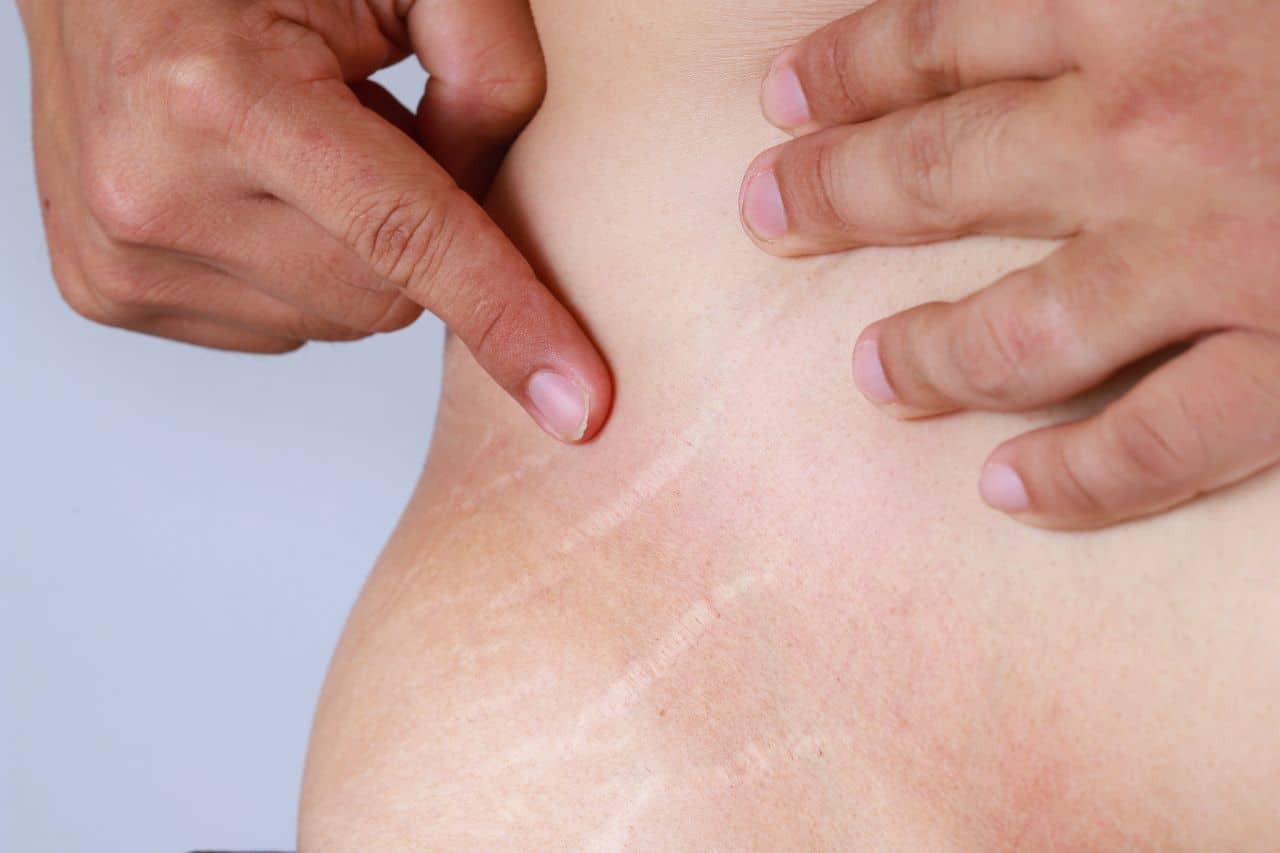
Stretch marks, medically known as striae, are linear scars that form in the skin. They’re characterised by a change in skin texture and colour, typically appearing as lines or bands on the skin. Stretch marks are not simply a surface-level issue, they represent actual changes in the structure of the skin.
Stretch marks are classified into two types based on their appearance and age. Striae rubra (red or purple stretch marks) are newer stretch marks, typically appearing within the first few months of formation. They have a reddish or purplish colour due to inflammation and increased blood flow in the area. Striae alba (white or silvery stretch marks) are older stretch marks, typically appearing months to years after formation. They have a white or silvery appearance because the inflammation has resolved and the scar tissue has matured.
Why Do Stretch Marks Form?
Stretch marks form when the skin is stretched rapidly, causing the collagen and elastin fibers in the dermis (the middle layer of skin) to tear. This can happen for several reasons.
- Pregnancy is one of the most common causes of stretch marks. The rapid expansion of the abdomen and breasts during pregnancy can cause the skin to stretch beyond its capacity, leading to tearing of the collagen and elastin fibers.
- Rapid weight gain or loss can also cause stretch marks. When body weight increases quickly, the skin stretches rapidly to accommodate the increased volume. Conversely, rapid weight loss can also lead to stretch marks as the skin loses elasticity and sags.
- Puberty is another common time for stretch marks to develop. During puberty, rapid growth and hormonal changes can lead to rapid stretching of the skin, particularly on the thighs, buttocks, and breasts.
- Muscle growth from intense weight training or bodybuilding can cause stretch marks, particularly on the chest, shoulders, and arms.
- Certain medical conditions and medications can increase the risk of stretch marks. Conditions that affect skin elasticity or hormones, such as Cushing’s syndrome or Ehlers-Danlos syndrome, can increase the risk. Certain medications, such as corticosteroids, can also increase the risk.
- Genetic factors play a significant role in stretch mark development. If your parents had stretch marks, you’re more likely to develop them as well. Genetics influence factors like skin elasticity and the structure of collagen and elastin fibers.
The Anatomy of Stretch Marks
To understand stretch marks, it helps to understand what happens to the skin when stretch marks form. When the skin is stretched rapidly, the collagen and elastin fibers in the dermis are unable to stretch sufficiently to accommodate the expansion. This causes these fibers to tear. When collagen and elastin fibers tear, the body’s healing response kicks in. Initially, there’s inflammation in the area, which is why new stretch marks appear red or purple. Blood vessels dilate (widen) in response to the inflammation, giving the stretch marks their characteristic colour.
Over time, the inflammation resolves and the skin heals. The torn collagen and elastin fibers are replaced with scar tissue. However, scar tissue is not as organised or as elastic as the original collagen and elastin. This is why stretch marks remain visible even after the inflammation has resolved, they represent areas where the skin’s structure has been compromised. As the scar tissue matures, the blood vessels constrict and the inflammation resolves. The stretch marks fade from red or purple to white or silvery. However, they don’t disappear completely, they remain visible as lines or bands on the skin.
Prevention of Stretch Marks
While not all stretch marks can be prevented, there are steps you can take to reduce your risk or minimise their appearance.
- Maintain a healthy weight and avoid rapid weight gain or loss. Gradual weight changes allow the skin time to adapt.
- Stay hydrated by drinking plenty of water. Well-hydrated skin is more elastic and better able to stretch without tearing.
- Eat a balanced diet rich in vitamins and minerals that support skin health. Vitamin C, zinc, and protein are particularly important for collagen production and skin health.
- Use moisturisers regularly, particularly during times when you’re at higher risk for stretch marks, such as during pregnancy. Moisturisers help to keep the skin hydrated and may improve elasticity.
- Avoid rapid muscle gain from intense weight training. If you’re interested in building muscle, do so gradually to allow your skin time to adapt.
- During pregnancy, use pregnancy-specific skincare products and moisturisers designed to support skin elasticity. While these won’t prevent all stretch marks, they may help to reduce their severity.
Evidence-Based Treatment Options
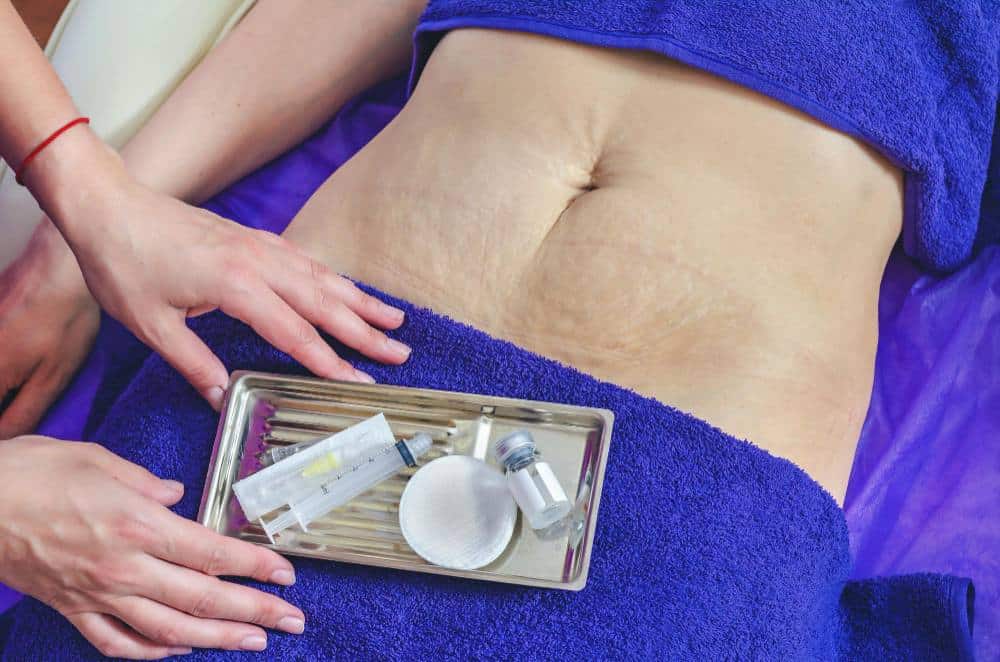
While stretch marks cannot be completely eliminated, there are evidence-based treatment options that can improve their appearance. These treatments typically work by stimulating collagen production and remodelling the skin.
- Collagen biostimulation is an approach that has shown promise in treating stretch marks. By stimulating the body’s own collagen production, the skin can gradually remodel and improve. The new collagen helps to fill in the depressed areas of the stretch marks and improve skin texture and firmness.
- Microneedling is a procedure in which tiny needles create controlled micro-injuries in the skin. This triggers the body’s healing response and stimulates collagen production. Microneedling can be particularly effective for stretch marks because it directly addresses the areas of compromised collagen and elastin.
- Combination therapies that combine multiple treatment modalities often show better results than single treatments. For example, combining microneedling with topical treatments like ascorbic acid (vitamin C) or with collagen-stimulating injectables can enhance results.
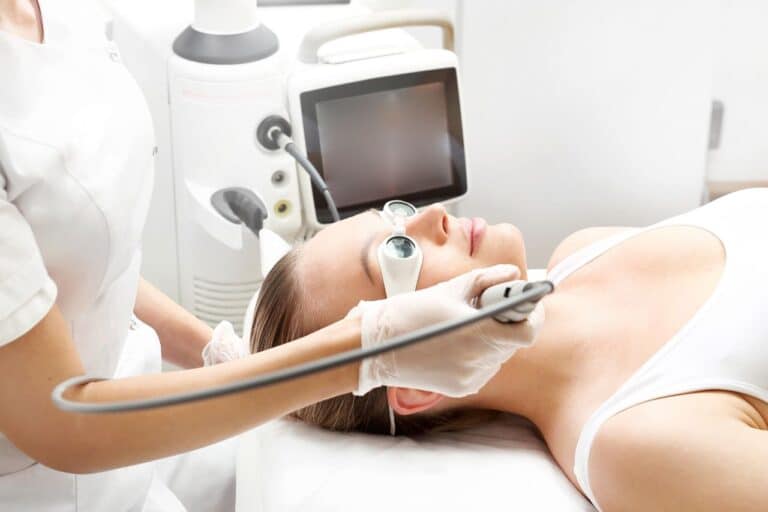
- Laser treatments can also be used to treat stretch marks. Different types of lasers work in different ways, some stimulate collagen production, while others help to break down scar tissue. The choice of laser depends on the characteristics of the stretch marks and the individual’s skin type.
- Topical treatments containing ingredients like retinoids, vitamin C, or centella asiatica may help to improve the appearance of stretch marks, particularly when combined with other treatments.
The Timeline for Improvement
It’s important to have realistic expectations about stretch mark treatment. Stretch marks are scars, and scars take time to improve. Most people see noticeable improvement over several months, with continued improvement over time.
The timeline depends on several factors, including the age of the stretch marks (newer stretch marks typically respond better to treatment than older ones), the severity of the stretch marks, the type of treatment used, and individual factors like age and skin type.
Choosing a Treatment Plan
The best treatment plan for stretch marks depends on your individual situation. Factors to consider include the age and severity of the stretch marks, your skin type, your budget, and your tolerance for downtime. A qualified aesthetic medicine practitioner can assess your stretch marks and recommend the most appropriate treatment options for your individual situation. They can also discuss realistic expectations and help you develop a treatment plan that’s tailored to your goals.
Conclusion
Stretch marks are a common concern, but they’re not permanent. While they cannot be completely eliminated, evidence-based treatment options can significantly improve their appearance. By understanding what causes stretch marks and exploring appropriate treatment options, you can address this concern and improve your skin’s appearance and texture. If you’re interested in treating stretch marks, I encourage you to schedule a consultation with a qualified aesthetic medicine practitioner who can assess your individual situation and recommend personalised treatment options.
Dr Tina Fang MBBS FRACGP FACAM is a cosmetic physician with 10 years of experience in aesthetic medicine, with experience in evidence-based approaches to skin concerns including stretch marks. To book a consultation and learn more about stretch mark treatment options, contact us at 07 3472 7477 or book online. We are located at Level 2, 1808 Logan Rd, Upper Mt Gravatt, QLD 4122.