When considering any medical procedure, including aesthetic treatments, it’s natural to have concerns about potential risks and complications. While aesthetic medicine procedures are generally safe when performed by qualified practitioners, complications can occur. Understanding what these potential complications are, how they can be prevented, and how they should be managed is crucial for anyone considering aesthetic treatment. This knowledge empowers you to make informed decisions and to choose a practitioner who prioritises your safety.
The Importance of Choosing a Qualified Practitioner
The foundation of safe aesthetic medicine is choosing a qualified and experienced practitioner. This cannot be overstated. The vast majority of complications in aesthetic medicine occur when procedures are performed by unqualified individuals or in unsafe settings.
A qualified practitioner should be a registered medical professional with appropriate qualifications and training in aesthetic medicine. In Australia, this typically means a medical doctor (MBBS) with additional training and qualifications in aesthetic medicine. Look for credentials such as FRACGP (Fellow of the Royal Australian College of General Practitioners), FACAM (Fellow of the Australasian College of Aesthetic Medicine), or similar qualifications that demonstrate specialised training.
Beyond formal qualifications, a good practitioner will have extensive experience with the specific procedures they perform. They should be able to discuss their experience, show you before and after photos, and provide references from previous patients. They should also be transparent about their training and continue to pursue ongoing education to stay current with the latest techniques and safety protocols.
The Importance of a Thorough Assessment
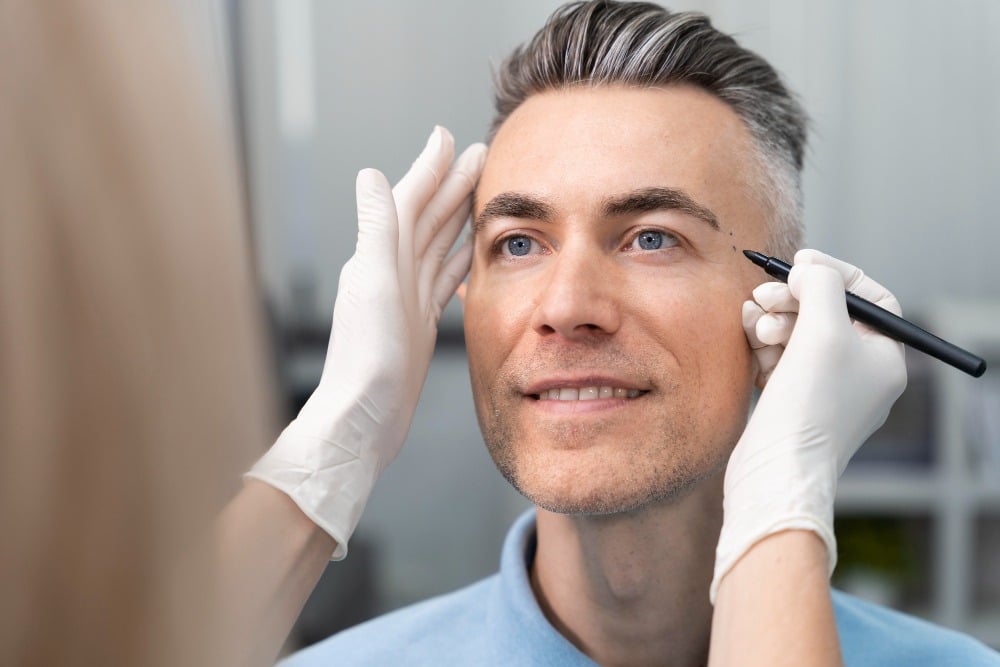
Before any aesthetic procedure, a thorough medical history and facial assessment should be conducted. This is not just a formality, it’s a crucial step in identifying potential risks and ensuring that the procedure is appropriate for you.
During the medical history, a qualified practitioner will ask about any medical conditions, medications you’re taking, allergies, previous procedures, and your expectations for the treatment. They’ll ask about any history of bleeding disorders, keloid formation, or other factors that might affect your suitability for treatment or your healing response.
The facial assessment involves a detailed evaluation of your facial anatomy, skin condition, and the specific areas to be treated. This assessment helps the practitioner to develop a treatment plan that’s appropriate for your individual situation and to identify any anatomical variations that might require special consideration.
Common Complications and How They’re Managed
While serious complications are rare, some complications can occur. Understanding these and how they’re managed can help you feel more confident about your decision to pursue aesthetic treatment.
- Redness, swelling, and bruising are the most common side effects of injectable treatments. These are typically mild and temporary, resolving within a few days to a week. They’re a normal part of the healing response and don’t indicate a serious problem. To minimise these effects, practitioners may recommend avoiding certain medications or supplements that increase bleeding risk, avoiding strenuous exercise for a few days after treatment, and using ice packs to reduce swelling.
- Infection is a potential complication of any procedure that involves breaking the skin barrier. However, serious infections are rare when proper sterile technique is used. A qualified practitioner will use sterile equipment, work in a clean environment, and follow proper infection control protocols. Patients can also reduce infection risk by following post-treatment instructions, keeping the treated area clean, and reporting any signs of infection (such as increasing redness, warmth, or pus) to their practitioner immediately.
- Allergic reactions to injectable substances are rare, but they can occur. A qualified practitioner will discuss any known allergies with you before treatment and will have emergency medications available if needed. Most allergic reactions are mild and can be managed with antihistamines or corticosteroids.
- Vascular complications, where an injected substance accidentally enters a blood vessel, are rare but serious. These can potentially lead to tissue death or, in rare cases affecting the eye area, vision problems. This is why it’s so important to choose a qualified practitioner with a thorough understanding of facial anatomy and vascular anatomy. Practitioners can minimise this risk by using appropriate techniques, such as using a blunt cannula rather than a sharp needle, injecting slowly, and being prepared to manage complications if they occur.
- Asymmetry or unsatisfactory results can occur if the practitioner lacks skill or experience. This is why choosing an experienced practitioner is so important. If results are unsatisfactory, a qualified practitioner will work with you to address your concerns, which might involve additional treatment or, in some cases, reversal procedures.
Sterile Technique and Infection Prevention
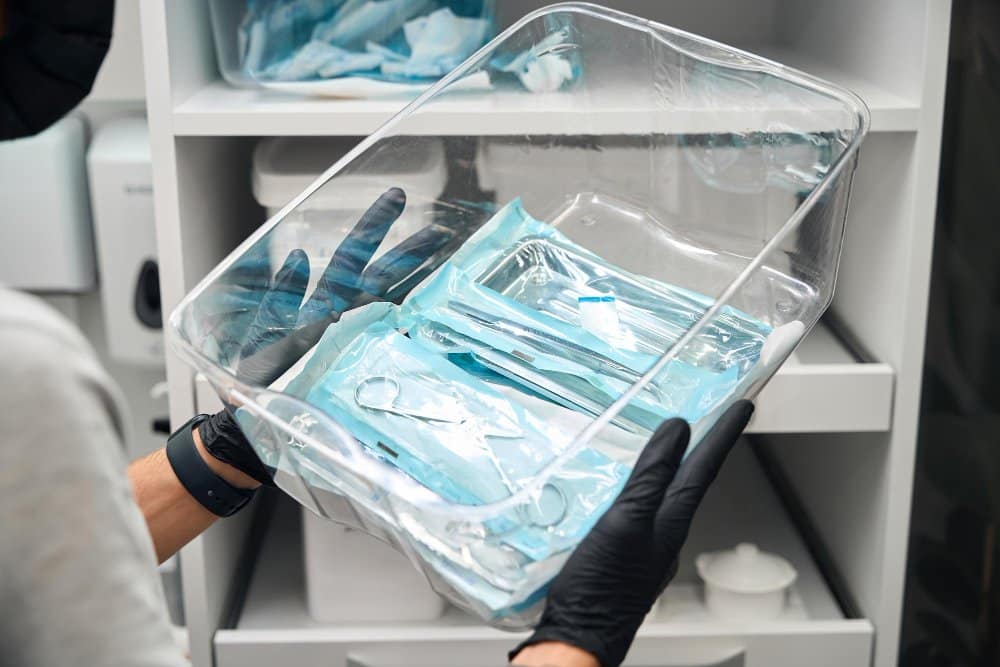
One of the most important aspects of safe aesthetic medicine is the use of proper sterile technique. Aesthetic procedures involve injecting substances into the skin, which means breaking the skin barrier and introducing a foreign substance. This creates a potential route for infection.
A qualified practitioner will follow strict infection control protocols, including:
- Using sterile equipment and supplies.
- All needles, cannulas, and other instruments should be sterile and single-use.
- Reusable equipment should be properly sterilised between uses.
- Preparing the skin properly.
- The skin should be thoroughly cleaned with an antiseptic solution before treatment.
- Hair should be removed from the area if necessary.
- Using a sterile field. The practitioner should use sterile drapes and maintain a sterile field during the procedure.
- Wearing appropriate personal protective equipment.
- The practitioner should wear gloves, and may wear a mask and other protective equipment depending on the procedure.
- Following proper hand hygiene.
- The practitioner should wash their hands before and after the procedure.
Post-Treatment Care and Monitoring
Your role in preventing complications doesn’t end when the procedure is finished. Following post-treatment instructions is crucial for optimal results and for preventing complications.
Typical post-treatment instructions might include avoiding strenuous exercise for a few days, avoiding extreme temperatures (hot baths, saunas, intense sun exposure) for a few days, avoiding certain medications or supplements that might increase bleeding risk, and keeping the treated area clean and protected from the sun.
It’s also important to monitor the treated area in the days and weeks following treatment. Most people experience some redness, swelling, or bruising, which is normal. However, if you experience increasing redness, warmth, pus, severe pain, or other concerning symptoms, you should contact your practitioner immediately.
The Importance of Communication
Open communication with your practitioner is essential for safe and successful aesthetic treatment. Before treatment, make sure you understand what to expect, what the potential risks and benefits are, and what post-treatment care is necessary. Don’t hesitate to ask questions.
After treatment, if you have concerns or questions, contact your practitioner. A good practitioner will be responsive to your concerns and will work with you to address any issues that arise.
Conclusion
While complications can occur in aesthetic medicine, they’re rare when procedures are performed by qualified practitioners in safe settings. By choosing a qualified practitioner, undergoing a thorough assessment, following post-treatment instructions, and maintaining open communication with your practitioner, you can significantly reduce your risk of complications and maximise your chances of achieving safe, satisfactory results. If you’re considering aesthetic treatment, take the time to find a qualified practitioner who prioritises your safety and can address all your questions and concerns.
Dr Tina Fang MBBS FRACGP FACAM is a cosmetic physician with 10 years of experience in aesthetic medicine, with a strong commitment to patient safety and evidence-based practice. To book a consultation and discuss your aesthetic goals and concerns, contact us at 07 3472 7477 or book online. We are located at Level 2, 1808 Logan Rd, Upper Mt Gravatt, QLD 4122.