Melasma is not easy! For patients or for practitioners. Over the years, it has taught me more about skin, hormones, and patient communication than any textbook ever could. It is also one of the most misunderstood and mismanaged skin conditions I see.
People often come in expecting that we will “fix” it. But one of the first things I say is this: we don’t cure melasma. We manage it.
That mindset shift is critical and without it, both patients and clinicians can end up disappointed.
What to Look for First
If you are not sure whether pigmentation is melasma, one tip I often share is to look for patches that appear on the convex areas (the parts of the face that project outward and get more sun exposure) forehead, cheeks, upper lip, nose, and chin. Melasma often prefers these areas. It is rarely perfectly symmetrical. And it tends to have a blotchy, diffuse pattern.
A Hard Lesson: Always Ask About Hormonal Changes
One of the biggest lessons I’ve learned came from treating a 52-year-old patient with stable melasma. We had made great progress over a series of treatments, including carefully selected skincare and gentle in-clinic modalities. But halfway through the series, her pigmentation worsened.
It turns out her GP had recently started her on hormone replacement therapy something I hadn’t thought to ask about during our sessions.
I share this because it was a turning point for me. Since then, I always ask about hormonal status, contraception, perimenopause, or recent changes to medications. Melasma is hormonally sensitive, and ignoring that piece can undermine even the best treatment plan.
You Can’t Laser It Away! No Matter What Instagram Says
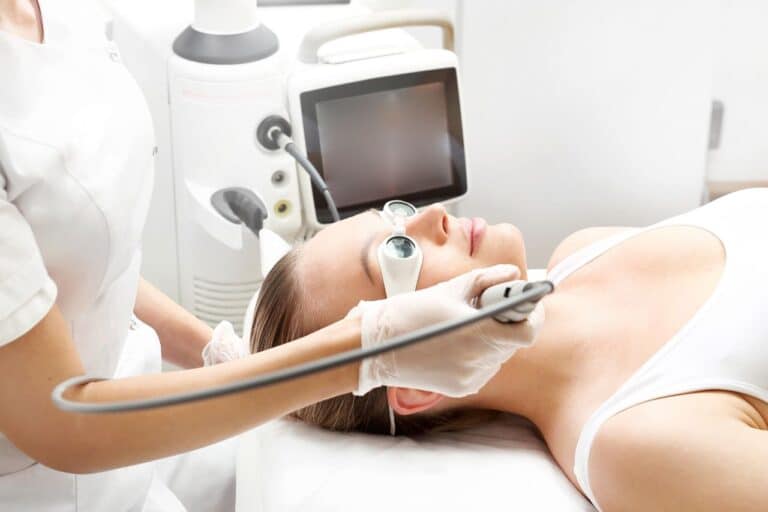
I feel strongly about this people need to stop selling laser treatments as a solution for melasma. Yes, there are carefully selected patients who may benefit from gentle non-ablative fractional laser, but these are the exception, not the rule.
The first step in melasma treatment is education, not energy-based devices. If a practitioner doesn’t have prescription rights, or isn’t confident diagnosing melasma properly, I truly believe they should refer on. Because managing a unsatisfied patient with post-laser worsening of melasma is not a win-win situation. It’s a preventable one.
Explaining Melasma to Patients: My Analogy
Here’s how I describe it to my patients:
Melasma is alive. It’s fed by the blood vessels underneath the pigment, like roots under a weed. And just like a weed, if you only treat what’s on the surface, it keeps coming back.
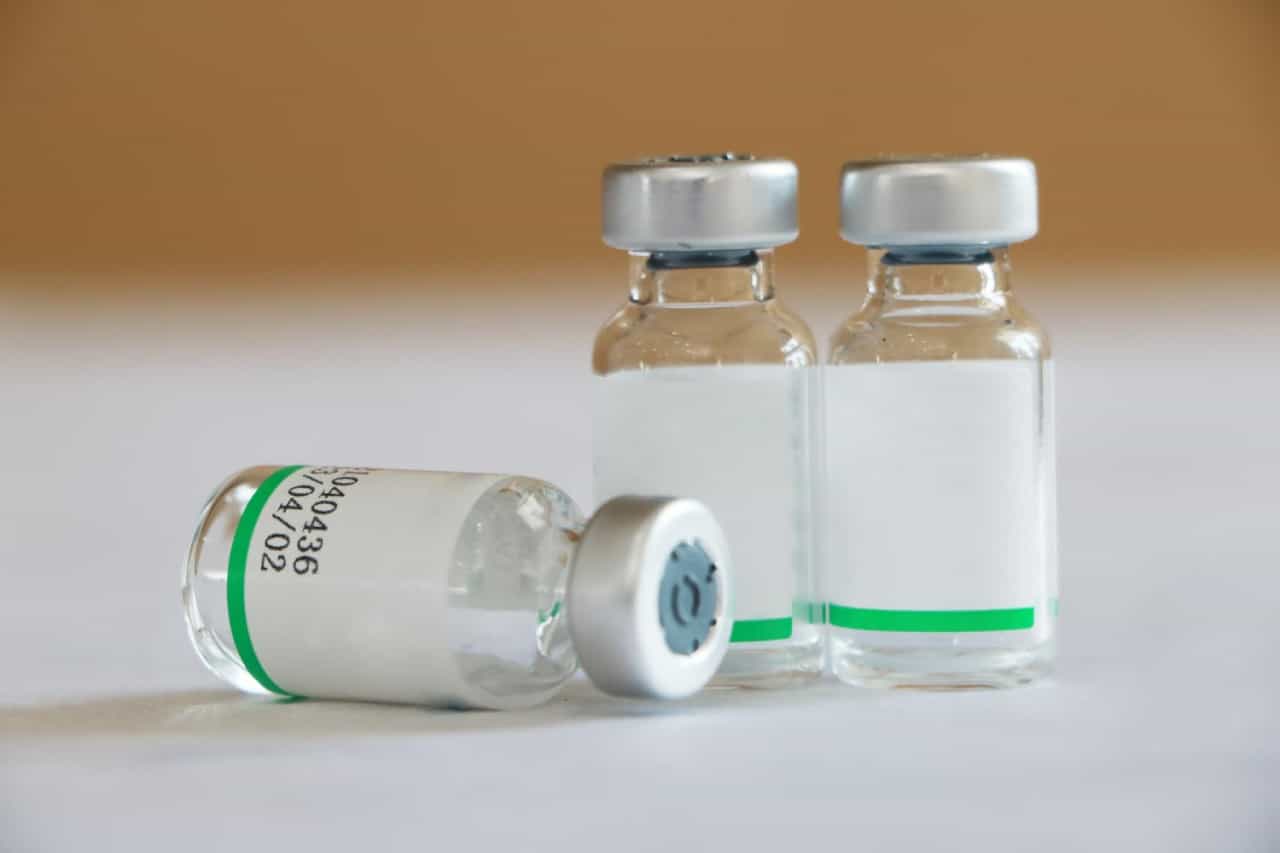
This is why vascular regulation plays such an important role in melasma management and why oral tranexamic acid has been so helpful in some of my patients. It helps reduce the “nutrition/blood supply” the pigmentation draws from underneath.
That said, patients can feel uneasy about taking 250mg of oral tranexamic acid twice daily for long periods. That’s completely understandable. I make sure they’re aware of the safety profile, the potential risks, and that this treatment is off-label in Australia for pigmentation. Informed consent is always a must.
Hydroquinone and the Rebound Fear
Then there’s the fear around hydroquinone. Yes, we’ve all read about paradoxical hyperpigmentation, and yes, overuse or misuse can create problems. But in the right hands, with clear protocols, I’ve seen hydroquinone perform well, especially when cycling it properly or combining it with barrier support.
There’s often unnecessary fear around long-term use, but with appropriate monitoring, it can be safe. I still approach it cautiously and tailor every plan based on patient skin type, tolerance, and history.
Metformin A New Frontier?
Recent studies have shown topical metformin may be a promising option for melasma. While the data is early, I’ve trialled it in a small number of patients and found it well tolerated with some early signs of improvement.
We don’t yet have robust clinical data in large groups, but so far, I haven’t seen any negative effects. It’s something I’ll continue to investigate cautiously and you will be the first to hear my thoughts.
Final Thoughts: This Condition Deserves Respect
Melasma will always be a challenge. It waxes and wanes with stress, hormones, heat, UV, even screen time. But I’ve come to accept that the goal is not perfection. It’s control.
For patients, I say this:
- Don’t expect a cure.
- Do expect a long-term plan that evolves with your skin.
- Work with a practitioner who sees the big picture, not just the surface.
And for fellow practitioners, my advice is simple – if you’re not sure it’s melasma, or you’re not confident managing it holistically, refer to someone who is. You’re not doing anyone a favour by offering treatments you can’t fully support.
This condition humbles all of us. And in that humility, we learn to treat not just the skin, but the person behind it.
Dr Tina Fang
MBBS, FRACGP Fellow of the Australasian College of Aesthetic Medicine
Book a melasma consultation with Dr Tina to discuss a personalised plan for your treatment.