
Medical condition
Solar Lentigo/ Sunspots
What Is Solar Lentigo/Sunspots?
Lorem ipsum dolor
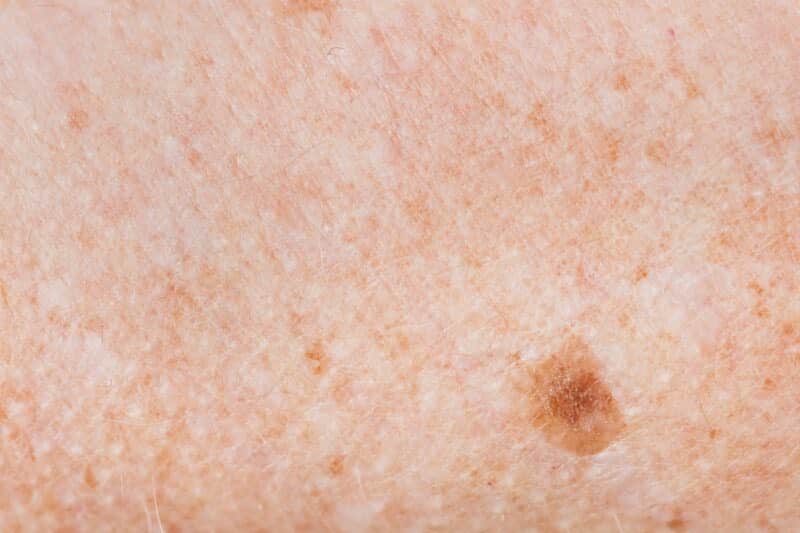
Solar lentigo, also known as a lentigo or lentigines, is a harmless condition where patches of darkened skin appear. It occurs when the skin is exposed to sunlight, causing certain skin cells to produce more pigment called melanin. These dark patches are common, especially in people over 40 years old, and are sometimes called “Old age spots” or “Senile freckles”.

Which treatments are available?
Solar lentigines can be treated through various approaches. Here are some common methods:
Topical treatments
Certain topical creams or lotions containing ingredients like hydroquinone, retinoids, or alpha hydroxy acids (AHAs) can help lighten solar lentigines over time. These products work by inhibiting melanin production or promoting cell turnover to reduce pigmentation.
Cryotherapy
This treatment involves the use of liquid nitrogen to freeze the affected areas, causing the darkened skin to peel off and new, lighter skin to emerge. Cryotherapy can be effective for small solar lentigines.
Laser therapy
Laser treatments, such as non-ablative fractional laser, target the excess pigment in the skin. The laser energy breaks down the melanin, gradually lightening the solar lentigines. Most patients require 1-3 sessions, depending upon your expectations.
Chemical peels
Chemical peels is a skin treatment when a chemical solution is applied to the skin, causing it to exfoliate and peel off. This process helps reduce the appearance of solar lentigines and promotes the growth of new, lighter skin.
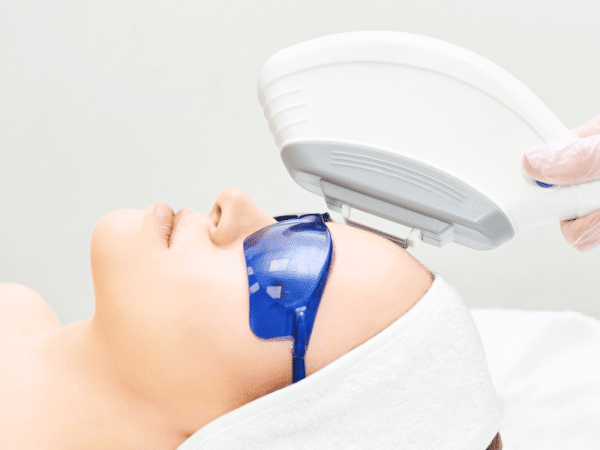
Intense pulsed light (IPL) therapy
IPL uses broad-spectrum light to target and break down the excess pigment in the skin. The light energy is absorbed by the melanin, leading to its gradual fading.
What We Improve
Skin texture
Our services may support patients seeking to address concerns related to uneven skin texture or visible skin irregularities.
Skin tone
For individuals noticing changes such as pigmentation irregularities or sun-related changes, a consultation can help determine appropriate treatment options.
Non-surgical approach
We offer non-surgical treatments that are designed to be low in invasiveness and typically require minimal recovery time. Suitability is determined on a case-by-case basis.
Consultation-led care
Some treatments involve the use of naturally derived acids, which may support skin renewal. This is discussed during a thorough consultation with a qualified health professional.

Key Information
How can I manage the symptoms of rosacea, such as facial redness, flushing, and acne-like bumps?
Lifestyle modifications: Avoiding triggers that can cause flare-ups such as spicy foods, hot beverages, alcohol, and exposure to extreme temperatures.
Skincare: Using gentle, non-irritating skincare products, such as a mild cleanser, moisturiser, and sunscreen. Avoiding harsh scrubs, exfoliants, and astringents.
Medications: Prescription topical or oral medication to reduce inflammation and redness, control acne-like bumps, or eye drops to treat eye symptoms associated with ocular rosacea.
IPL: To treat persistent redness and visible blood vessels on the face.
What is the skincare routine for rosacea?
The skincare routine for rosacea can vary depending on the individual, but generally involves gentle, non-irritating products and avoiding triggers that can worsen symptoms. Here are some general tips:
Use a gentle cleanser: Look for a mild, non-foaming cleanser that is free of fragrance and other potential irritants. Avoid using hot water and harsh scrubs that can exacerbate redness.
Moisturise: Soothing and repairing moisturiser, anti-inflammatory moisturiser for sensitive skin, calms, strengthens and soothes, neutralises skin redness and reduces discomfort of itch, heat and irritation.
Sun protection: Choose a physical sunscreen with zinc oxide or titanium dioxide, as chemical sunscreens can irritate sensitive skin.
How Does IPL Treat Rosacea?
IPL (Intense Pulsed Light) is a cosmetic procedure that can be used to treat Rosacea. IPL uses a broad spectrum of light to target and heat up the blood vessels in the affected area, which can reduce redness and inflammation. This process also stimulates the production of collagen, which can improve the overall appearance and texture of the skin.
During an IPL treatment for Rosacea, a handheld device is passed over the skin, emitting pulses of light. The light energy is absorbed by the haemoglobin in the blood vessels, causing them to constrict and reduce redness. The heat generated by the light also damages the walls of the blood vessels, leading to their gradual disappearance and a reduction in visible redness.
IPL treatments for Rosacea typically require a series of sessions spaced a few weeks apart to achieve optimal results. The number of treatments needed can vary depending on the severity of the condition and the individual's response to the procedure.
Aftercare Instructions for Rosacea
Lorem ipsum dolor

Advanced Certificate of Aesthetic Medicine
Healthcert

Fellowship of the Royal Australian College of General Practitioners 2019

Skin Cancer College Australasia
Advanced Skin Surgery
Your Trusted Skin Cancer Doctor
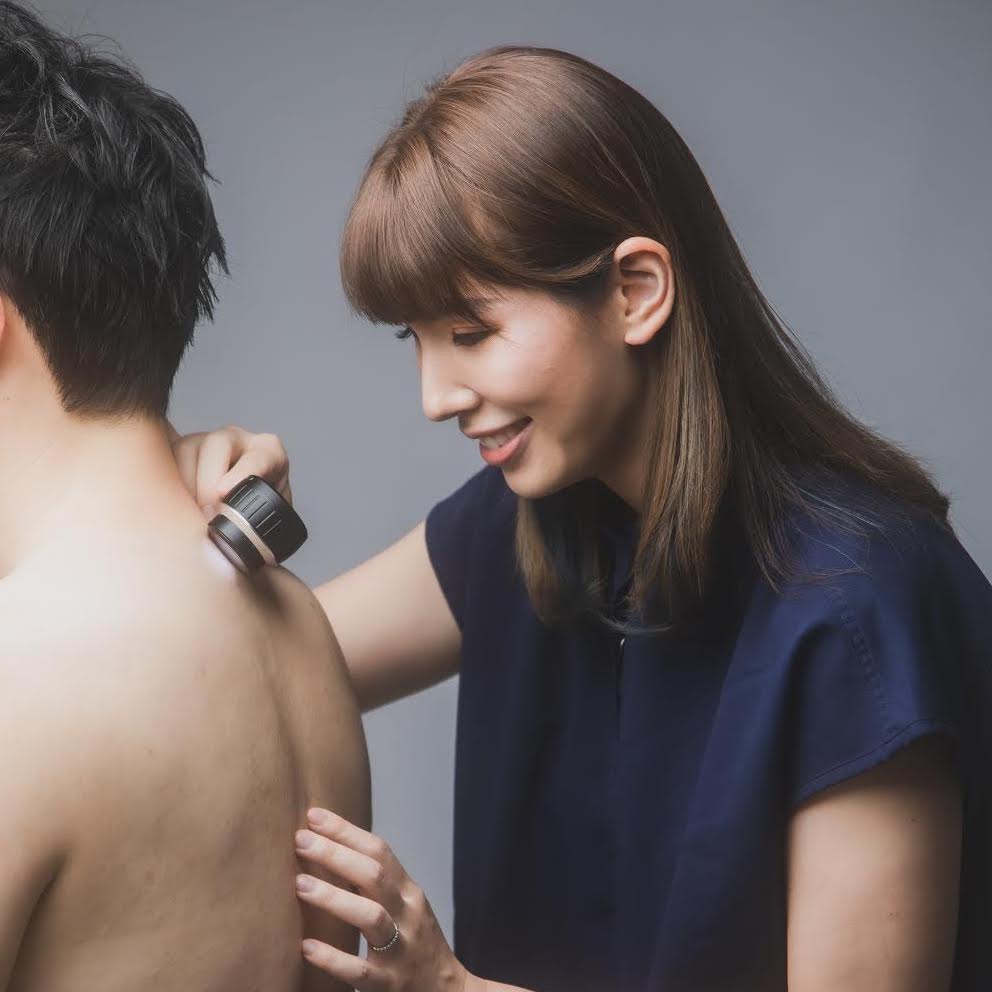
Dr Tina has been trained extensively in skin cancer medicine and surgery.
Dr Tina Fang is a qualified female Skin Cancer Doctor in Brisbane, known for her extensive knowledge in both skin cancer and aesthetic medicine. She works across three large specialised skin cancer clinics that check thousands of skins every year, and has been working full time in dedicated skin cancer and cosmetic clinics since 2019.
After completing training and qualifications in dermatoscopy, advanced skin cancer surgery, and advanced aesthetic medicine, Dr Tina offers comprehensive skin checks and skin cancer management. She thoroughly examines the skin for any potential issues, evaluating each detail with a keen eye, and provides clear guidance and appropriate treatment recommendations informed by years of experience and the latest medical best practice.
In addition to skin cancer care, Dr Tina is passionate about hair loss treatments, cosmetic injectables, and cosmetic mole removal, offering a holistic approach to prevention, early detection, and aesthetic treatments.