
Medical condition
Skin Laxity and Sun Damaged Skin
What Causes Skin Ageing?
Lorem ipsum dolor
As we age, our skin becomes less firm and elastic, leading to skin laxity.
This happens due to several reasons:
- Reduction in collagen and elastin – These proteins provide strength and elasticity to the skin. With age, their production decreases, causing the skin to lose its firmness.
- Decline in hyaluronic acid – This natural substance helps maintain skin hydration and plumpness. As we get older, its production decreases, leading to drier and less supple skin.
- Loss of fat and volume – Over time, we lose fat beneath the skin’s surface, especially in the face. This loss of volume contributes to a sagging appearance.
- Weakening of facial muscles – The underlying facial muscles become weaker with age, which can contribute to skin sagging.
- Effects of gravity – Gravity constantly pulls downward, stretching and pulling the skin and tissues, causing them to sag.
- Environmental factors and lifestyle choices – Sun exposure, smoking, pollution, and poor skincare habits can accelerate skin ageing and worsen skin laxity.
While ageing is a natural process, taking care of your skin, protecting it from the sun, and adopting a healthy lifestyle can help slow down the development of skin laxity and maintain a youthful appearance.

Which treatments are available?
The treatments for skin laxity and sun-damaged skin vary depending on the severity and specific concerns of the individual.
Here are some common treatment options:
Topical creams and lotions
Various topical products containing ingredients such as retinoids, antioxidants, peptides, and alpha hydroxy acids (AHAs) can improve the appearance of sun-damaged skin and enhance collagen production. These products may help reduce fine lines and wrinkles and improve skin texture.
Chemical peels
Chemical peels involve applying a chemical solution to the skin, which causes exfoliation and stimulates the growth of new skin cells. This treatment can help improve the appearance of sun-damaged skin by reducing hyperpigmentation, fine lines, and uneven texture.
Laser resurfacing
Laser treatments, such as fractional laser resurfacing, can target and remove damaged skin layers. This stimulates collagen production and helps improve skin laxity, wrinkles, and texture. Laser treatments may require multiple sessions for optimal results.
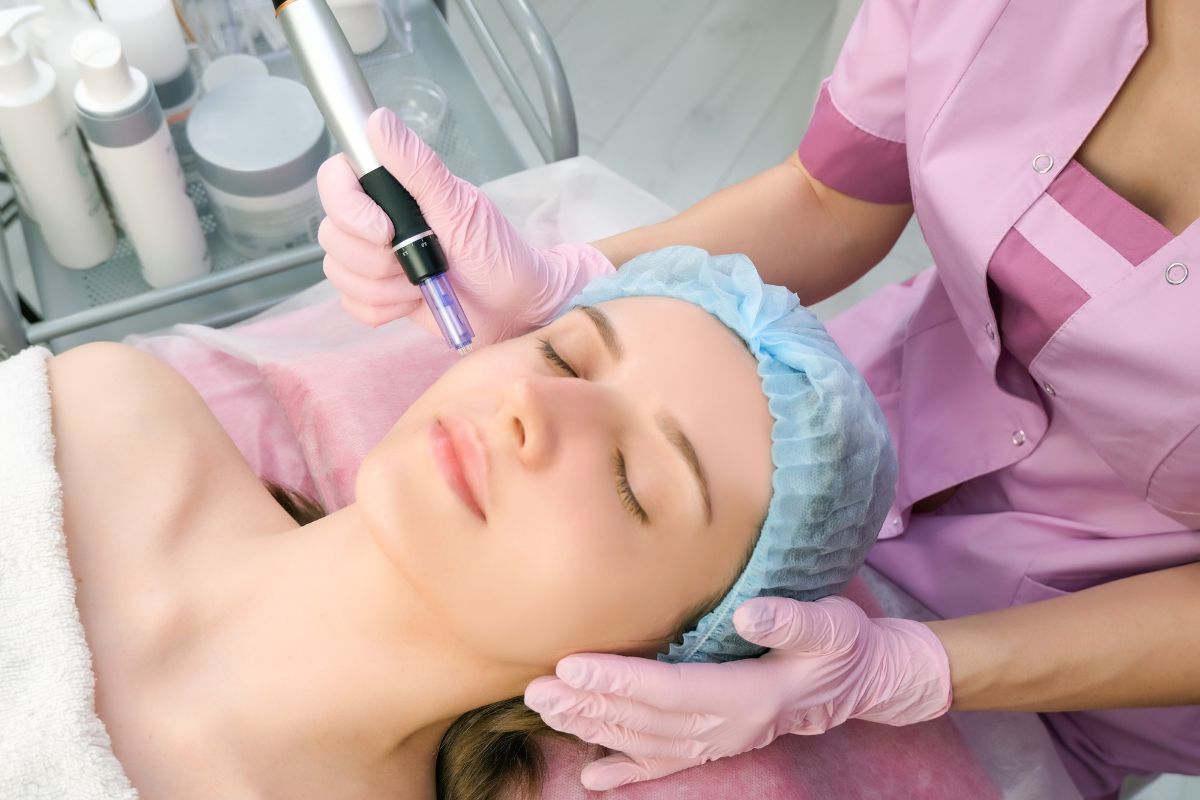
Microneedling
This procedure involves creating tiny punctures in the skin using a device with fine needles. It stimulates collagen production and enhances skin rejuvenation. Microneedling with or without PRP (platelet-rich plasma) can improve skin laxity, texture, and reduce the appearance of sun damage.
Injectable Hyaluronic Acid (HA)
AKA Biomodulator. It is an innovative treatment for skin remodelling. It is an injectable procedure that revitalises and rejuvenates the skin, providing ideal conditions to prevent and reverse the signs of aging. By promoting collagen and elastin production, essential for skin firmness, structure, and moisture, the Biomodulator helps improve skin tone, hydration, and reduce fine lines. It achieves this through a controlled release of hyaluronic acid (HA), leading to visible improvements in the skin's overall appearance.
Radio frequency skin tightening
These non-invasive procedures utilise energy to stimulate collagen production and tighten the skin. Radiofrequency skin tightening treatments can improve skin laxity and reduce the appearance of wrinkles and fine lines.
Surgical procedures
In more severe cases of skin laxity, surgical options like facelifts, neck lifts, or brow lifts may be considered. These procedures involve removing excess skin and tightening the underlying tissues to appear youthful.
What We Improve
Skin texture
Our services may support patients seeking to address concerns related to uneven skin texture or visible skin irregularities.
Skin tone
For individuals noticing changes such as pigmentation irregularities or sun-related changes, a consultation can help determine appropriate treatment options.
Non-surgical approach
We offer non-surgical treatments that are designed to be low in invasiveness and typically require minimal recovery time. Suitability is determined on a case-by-case basis.
Consultation-led care
Some treatments involve the use of naturally derived acids, which may support skin renewal. This is discussed during a thorough consultation with a qualified health professional.



Key Information
Costs and product suitability are discussed only during your Initial cosmetic consultation with Dr Tina Fang. This ensures that all recommendations are tailored to your individual needs and medical history.
The consultation fee $120. It is fully redeemable towards any treatment or skincare product if clinically suitable and selected during your appointment.
Key Information
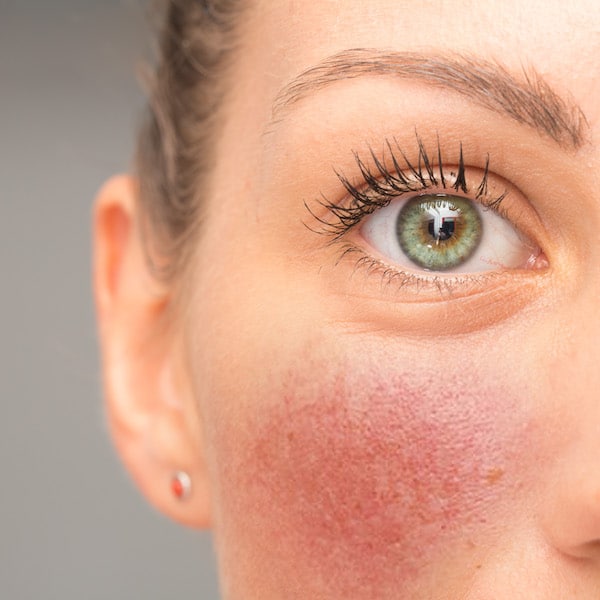
How can I manage the symptoms of rosacea, such as facial redness, flushing, and acne-like bumps?
Lifestyle modifications: Avoiding triggers that can cause flare-ups such as spicy foods, hot beverages, alcohol, and exposure to extreme temperatures.
Skincare: Using gentle, non-irritating skincare products, such as a mild cleanser, moisturiser, and sunscreen. Avoiding harsh scrubs, exfoliants, and astringents.
Medications: Prescription topical or oral medication to reduce inflammation and redness, control acne-like bumps, or eye drops to treat eye symptoms associated with ocular rosacea.
IPL: To treat persistent redness and visible blood vessels on the face.
What is the skincare routine for rosacea?
The skincare routine for rosacea can vary depending on the individual, but generally involves gentle, non-irritating products and avoiding triggers that can worsen symptoms. Here are some general tips:
Use a gentle cleanser: Look for a mild, non-foaming cleanser that is free of fragrance and other potential irritants. Avoid using hot water and harsh scrubs that can exacerbate redness.
Moisturise: Soothing and repairing moisturiser, anti-inflammatory moisturiser for sensitive skin, calms, strengthens and soothes, neutralises skin redness and reduces discomfort of itch, heat and irritation.
Sun protection: Choose a physical sunscreen with zinc oxide or titanium dioxide, as chemical sunscreens can irritate sensitive skin.
How Does IPL Treat Rosacea?
IPL (Intense Pulsed Light) is a cosmetic procedure that can be used to treat Rosacea. IPL uses a broad spectrum of light to target and heat up the blood vessels in the affected area, which can reduce redness and inflammation. This process also stimulates the production of collagen, which can improve the overall appearance and texture of the skin.
During an IPL treatment for Rosacea, a handheld device is passed over the skin, emitting pulses of light. The light energy is absorbed by the haemoglobin in the blood vessels, causing them to constrict and reduce redness. The heat generated by the light also damages the walls of the blood vessels, leading to their gradual disappearance and a reduction in visible redness.
IPL treatments for Rosacea typically require a series of sessions spaced a few weeks apart to achieve optimal results. The number of treatments needed can vary depending on the severity of the condition and the individual's response to the procedure.
Aftercare Instructions for Rosacea
Lorem ipsum dolor

Advanced Certificate of Aesthetic Medicine
Healthcert

Fellowship of the Royal Australian College of General Practitioners 2019

Skin Cancer College Australasia
Advanced Skin Surgery
Your Trusted Skin Cancer Doctor
Dr Tina has been trained extensively in skin cancer medicine and surgery.
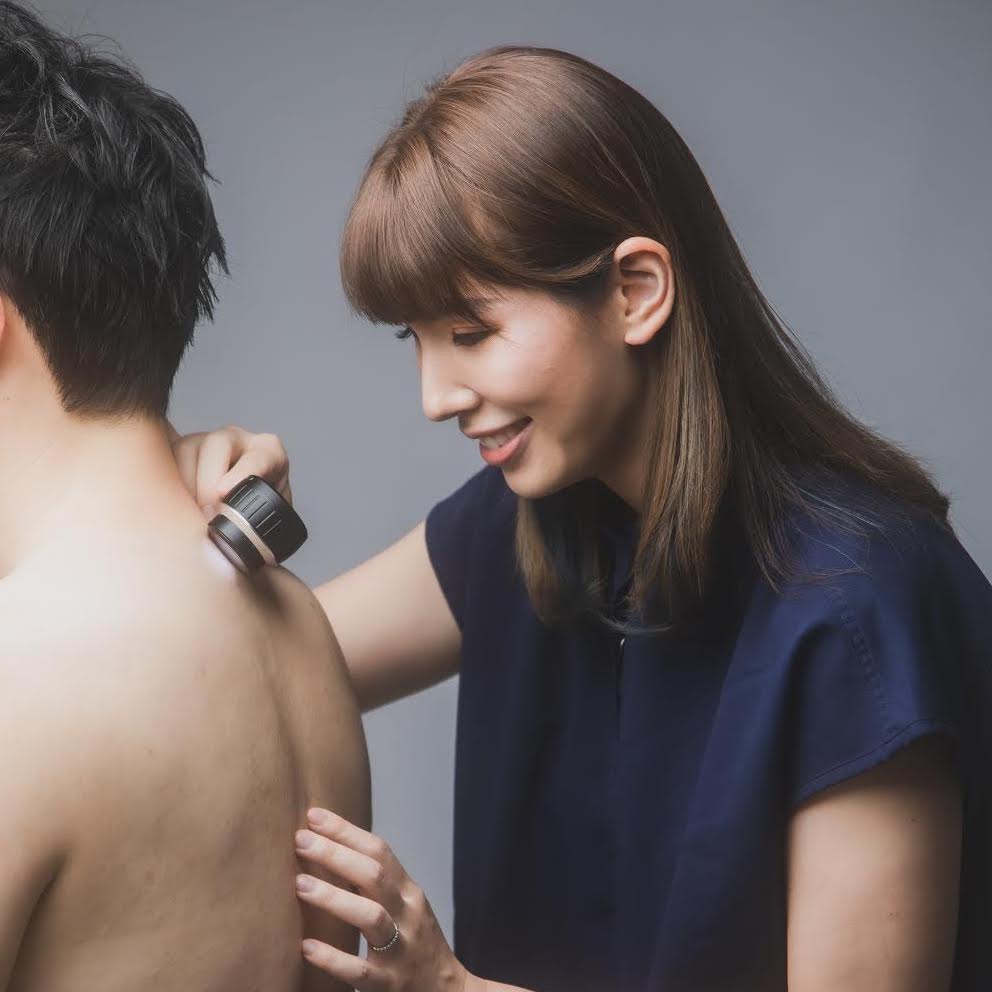
Dr Tina Fang is a qualified female Skin Cancer Doctor in Brisbane, known for her extensive knowledge in both skin cancer and aesthetic medicine. She works across three large specialised skin cancer clinics that check thousands of skins every year, and has been working full time in dedicated skin cancer and cosmetic clinics since 2019.
After completing training and qualifications in dermatoscopy, advanced skin cancer surgery, and advanced aesthetic medicine, Dr Tina offers comprehensive skin checks and skin cancer management. She thoroughly examines the skin for any potential issues, evaluating each detail with a keen eye, and provides clear guidance and appropriate treatment recommendations informed by years of experience and the latest medical best practice.
In addition to skin cancer care, Dr Tina is passionate about hair loss treatments, cosmetic injectables, and cosmetic mole removal, offering a holistic approach to prevention, early detection, and aesthetic treatments.