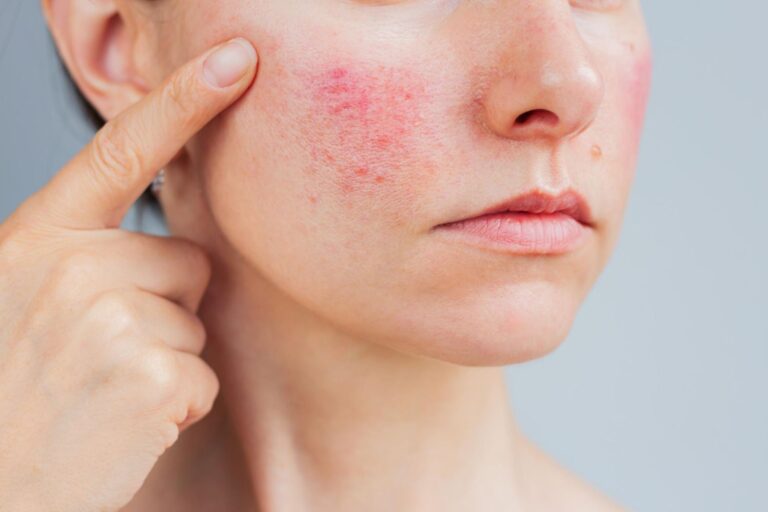
Facial telangiectasias, commonly known as spider veins, are a frequent concern for many individuals. These fine, dilated capillaries, often appearing on the cheeks, nose, and chin, can be a source of cosmetic frustration. While laser treatments have become a highly effective solution for addressing these vascular lesions, the success of the treatment lies in a nuanced understanding of the science behind it, particularly the critical role of wavelength selection. The ability to choose the right wavelength for the right vessel is what separates a good outcome from a great one, and it’s a key indicator of a practitioner’s expertise.
The Principle of Selective Photothermolysis
At the heart of all laser treatments for vascular lesions is the principle of selective photothermolysis. This scientific concept, which sounds complex, is actually quite simple. It means that we can use a specific wavelength of light to selectively target a specific structure in the skin, without damaging the surrounding tissue. In the case of vascular lesions, the target is haemoglobin, the protein in red blood cells that gives blood its colour.
When the laser light is absorbed by the haemoglobin, it is converted into heat. This heat then damages the wall of the blood vessel, causing it to collapse and seal off. The body’s natural healing processes then clear away the damaged vessel, leaving behind clear, unblemished skin. The key to this process is using a wavelength of light that is strongly absorbed by haemoglobin, but not by other structures in the skin, such as melanin (the pigment that gives skin its colour).
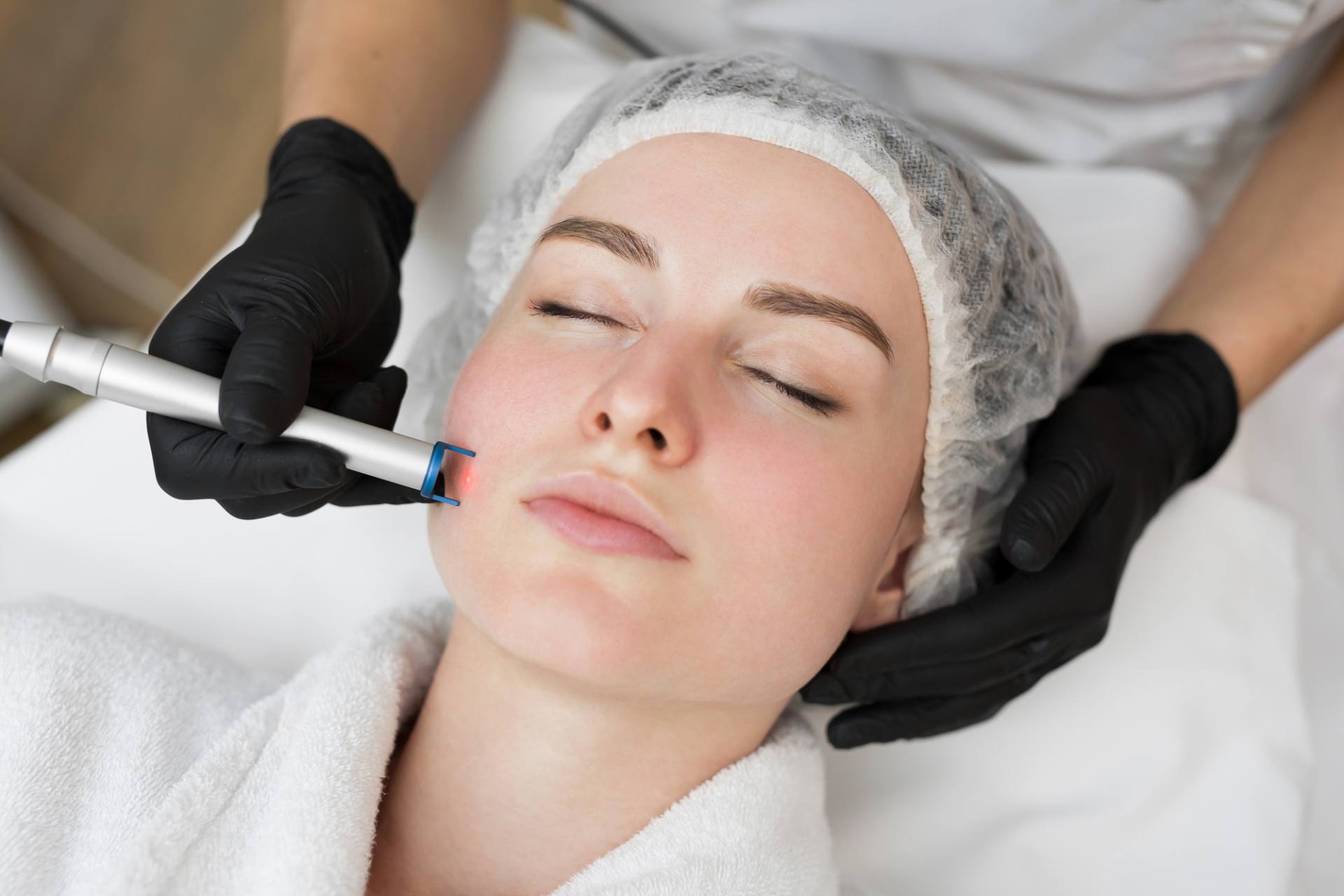
The Wavelength Spectrum: 532 nm vs. 1064 nm
When it comes to treating facial telangiectasias, two wavelengths have emerged as the workhorses of the aesthetic practitioner: 532 nm and 1064 nm. While both are effective, they have distinct properties that make them suitable for different types of vessels.
The 532 nm Wavelength: The Superficial Specialist
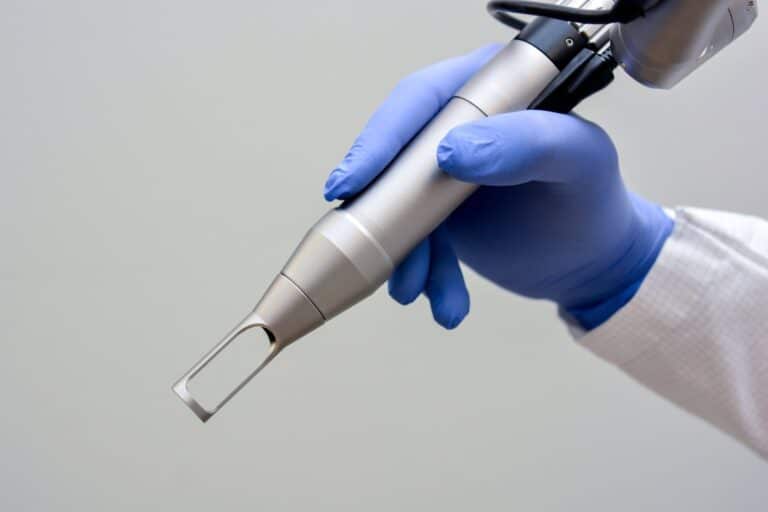
The 532 nm wavelength, often produced by a KTP laser, is a green light that is very strongly absorbed by haemoglobin. This makes it an excellent choice for treating very superficial, bright red vessels. Because the light is so strongly absorbed, it doesn’t need to penetrate very deeply into the skin to be effective. This makes it a very precise tool for targeting the fine, delicate vessels that are often found on the surface of the skin.
However, the high absorption of the 532 nm wavelength also means that it is more likely to be absorbed by melanin in the skin. This makes it a less suitable choice for individuals with darker skin tones, as there is a higher risk of causing changes in pigmentation. For this reason, the 532 nm wavelength is typically reserved for individuals with fair to light skin tones (Fitzpatrick skin types I-III).
The 1064 nm Wavelength: The Deep Diver
The 1064 nm wavelength, produced by a Nd:YAG laser, is an infrared light that is less strongly absorbed by haemoglobin than the 532 nm wavelength. This might seem like a disadvantage, but it actually gives the 1064 nm wavelength a unique advantage: it can penetrate more deeply into the skin. This makes it the ideal choice for treating deeper, larger, or more purplish-blue vessels that are beyond the reach of the 532 nm wavelength.
Furthermore, the 1064 nm wavelength is less likely to be absorbed by melanin, making it a safer choice for individuals with darker skin tones (Fitzpatrick skin types IV-VI). The lower absorption by haemoglobin is compensated for by using a longer pulse duration, which allows the heat to build up in the vessel and cause it to collapse.
The Importance of a Skilled Practitioner
The ability to choose the right wavelength for the right vessel is a critical skill for any practitioner performing vascular laser treatments. A skilled practitioner will be able to accurately assess the depth, size, and colour of the vessels, as well as the patient’s skin type, to determine the most appropriate wavelength and treatment parameters. This is not a one-size-fits-all approach; it requires a deep understanding of the science of laser-tissue interaction and a keen eye for detail.
In addition to wavelength selection, a skilled practitioner will also employ other techniques to ensure a safe and effective treatment. One of the most important of these is skin cooling. By cooling the surface of the skin before, during, and after the laser treatment, the practitioner can protect the epidermis from thermal damage, reduce discomfort, and minimise the risk of side effects.
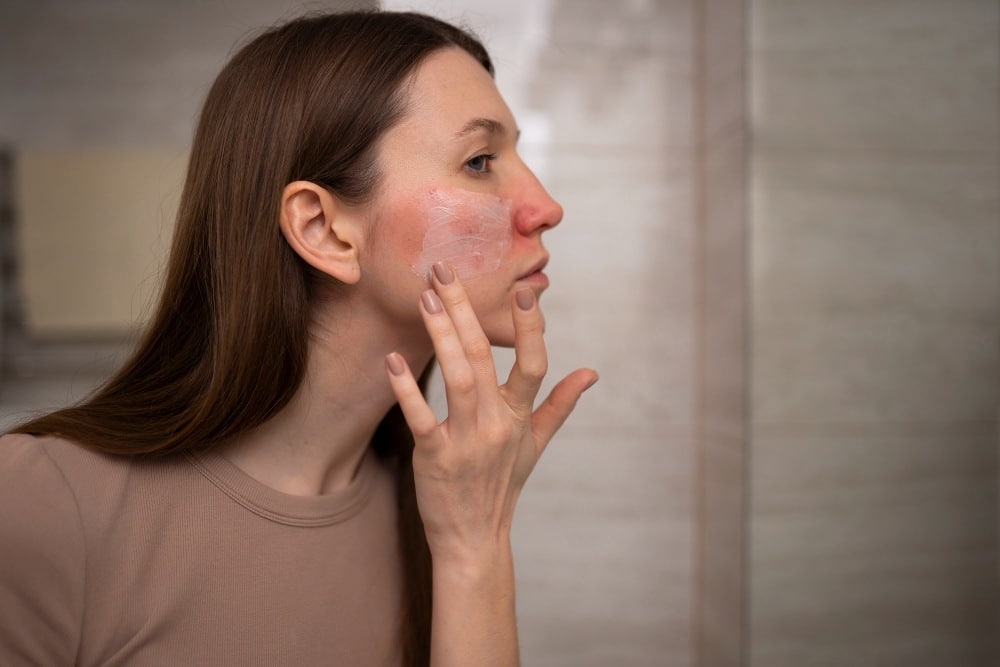
The Treatment Journey: What to Expect
A typical vascular laser treatment journey begins with a thorough consultation with a qualified practitioner. During this consultation, the practitioner will assess your skin, discuss your concerns, and determine if you are a good candidate for the treatment. They will also explain the procedure in detail, including the expected outcomes, potential risks, and post-treatment care.
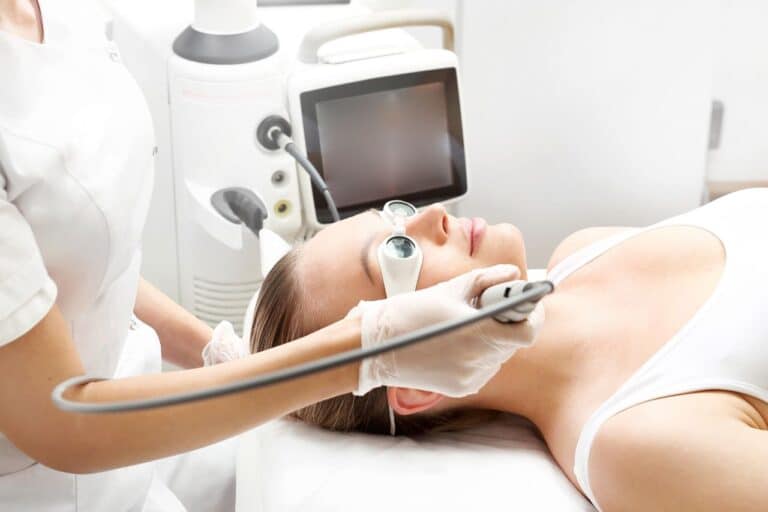
Before the treatment, it is important to avoid sun exposure and the use of topical retinoids for at least two weeks. On the day of the treatment, the skin will be cleansed, and a cooling gel may be applied. The practitioner will then use the laser to treat the targeted vessels. The treatment itself is usually quite quick, and most patients describe the sensation as a series of small, hot snaps against the skin.
After the treatment, it is normal to experience some redness and mild swelling, which usually subsides within 48 hours. It is important to follow the post-treatment care instructions provided by your practitioner, which will typically include avoiding sun exposure, using a high-SPF sunscreen, and avoiding vigorous exercise and alcohol for a short period.
Most patients will require a series of 1-3 treatments, spaced 4-6 weeks apart, to achieve their desired results. The results are often visible immediately after the first treatment, with a significant reduction in the appearance of the vessels. With each subsequent treatment, the results will continue to improve, leaving you with clearer, more even-toned skin.
The Art and Science of Vascular Laser Treatments
Vascular laser treatments are a powerful tool for addressing facial telangiectasias, but they are not a simple “point and shoot” procedure. The success of the treatment depends on a deep understanding of the science of light and its interaction with the skin. By choosing a qualified and experienced practitioner who understands the nuances of wavelength selection and other treatment parameters, you can be confident that you are receiving the safest and most effective treatment possible. If you are considering a vascular laser treatment, I encourage you to do your research and choose a practitioner who can guide you on your journey to clearer, more beautiful skin.
Dr Tina Fang MBBS FRACGP FACAM is a cosmetic physician with 10 years of experience in aesthetic medicine, with experience in advanced laser technologies. To book a consultation and learn more about vascular laser treatments, contact us at 07 3472 7477 or book online. We are located at Level 2, 1808 Logan Rd, Upper Mt Gravatt, QLD 4122.