
Sun Damage and Dyschromia in Australia: Reversing Decades of UV Exposure
Australia is world renowned for its beautiful beaches, outdoor lifestyle, and abundant sunshine. However, this sunny climate comes with a significant cost to skin health. Decades of unprotected or incidental sun exposure lead to chronic photoageing, clinically referred to as sun damage dyschromia. This condition is characterised by a patchy, uneven combination of red and brown discolouration, fine lines, rough texture, and loss of skin elasticity. For individuals in their fifties, reversing these cumulative effects is a major priority. Fortunately, modern cosmetic medicine offers highly effective, evidence based laser and light therapies to restore skin health and vitality.
The Biological Impact of UV Radiation on Australian Skin
To understand how to reverse sun damage, it is helpful to understand how ultraviolet radiation affects the skin. UV radiation is divided into two primary wavelengths that damage the skin in different ways:
- UVB Radiation: This shorter wavelength is responsible for sunburn and directly damages the DNA in epidermal cells, leading to skin cancers and precancerous lesions such as solar keratoses.
- UVA Radiation: This longer wavelength penetrates deeply into the dermis. UVA is present year round, even on cloudy days and in winter when the UV index is low. It passes through window glass and is the primary driver of premature ageing (photoageing). UVA destroys collagen and elastin fibres, leading to sagging skin and deep wrinkles, while also stimulating melanocytes to produce uneven patches of pigment.
Over time, this chronic exposure leads to dyschromia, where the skin loses its uniform colour and develops a mottled appearance with visible red blood vessels (telangiectasia) and brown spots (solar lentigines). For Australians who grew up before widespread sunscreen use became common, the accumulated damage is often extensive and deeply embedded in the skin’s structure.
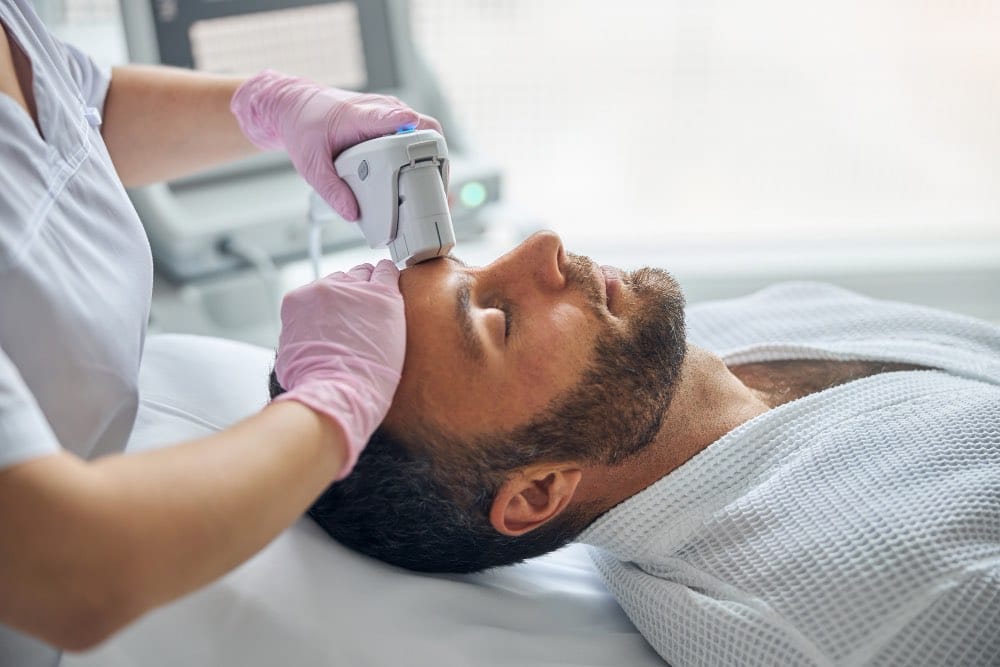
The Multi Modality Approach to Treating Dyschromia
Because sun damage is a complex mixture of red (vascular) and brown (pigment) concerns, a single treatment modality is rarely sufficient. A cosmetic physician will often design a customized, multi modality treatment plan to address all aspects of photoaged skin.
| Treatment Modality | Primary Target | How It Works | Expected Outcome |
|---|---|---|---|
| Intense Pulsed Light (IPL) | Red vessels and brown pigment | Broad spectrum light targets haemoglobin and melanin simultaneously | Brighter, more even skin tone with reduced redness and pigment |
| Q Switched Nd YAG Laser | Isolated, stubborn brown spots | Ultra short pulses shatter concentrated melanin particles | Clearing of individual age spots and sun spots |
| Fractional Non Ablative Laser | Skin texture, fine lines, and diffuse pigment | Creates microscopic treatment zones to stimulate collagen and clear pigment | Smoother texture, reduced fine lines, and refreshed skin |
IPL is particularly useful for general sun damage because its large handpiece covers a broad surface area quickly, making it time efficient for treating the entire face, neck, and chest in a single session. It simultaneously targets both the red and brown components of dyschromia, which is why it is often described as a “dirty wall wash” that brightens and cleans up the overall complexion.
By combining these modalities, a cosmetic physician can address both the surface discolouration and the underlying structural damage, leading to a comprehensive rejuvenation. One of the premier technologies for achieving this is the non ablative Fraxel laser, which targets superficial epidermal concerns with high precision.
Rejuvenating the Neck and Chest: A Delicate Challenge
While the face is the most common area treated for sun damage, the neck and chest (decolletage) often show severe signs of photoageing, including poikiloderma of Civatte. This condition presents as a distinct red brown discolouration on the sides of the neck and upper chest, with sparing of the shaded area under the chin.
Treating the neck and chest requires extreme caution. The skin in these areas is much thinner than facial skin and has a lower density of pilosebaceous units (hair follicles and sweat glands), which are essential for healing and skin regeneration.
Using aggressive laser settings on the neck and chest carries a high risk of complications, including persistent redness, scarring, and permanent hypopigmentation (loss of skin colour). A cosmetic physician will always use lower energy settings and gentler modalities, such as fractional non ablative lasers or conservative IPL, to safely rejuvenate these delicate areas over a series of sessions. The fractional approach is particularly well suited because it leaves islands of normal, untreated skin that serve as a healing reservoir, dramatically reducing the risk of scarring in these vulnerable areas.
Long Term Maintenance and Prevention
Reversing sun damage is an ongoing process that requires active participation from the patient. Once the skin has been rejuvenated, maintaining the results is crucial.
- Daily Sunscreen: The single most important step is the daily application of a broad spectrum SPF 50 plus sunscreen. It must be applied every morning and reapplied throughout the day, especially if spending time outdoors. Sunscreen is the best anti ageing cream available.
- Active Skincare: Incorporating active ingredients such as Vitamin C (ascorbic acid) and Vitamin B3 (niacinamide) into the daily routine helps to protect the skin from environmental damage, support collagen production, and prevent new pigment from forming.
- Regular Skin Checks: Because chronic sun damage increases the risk of skin cancers, patients should undergo annual professional skin checks with a qualified medical practitioner. A cosmetic physician with a background in skin cancer medicine is uniquely positioned to identify potentially suspicious pigmented lesions from benign cosmetic concerns.
Reversing decades of UV exposure is entirely possible with the right combination of professional treatments and dedicated home care. By taking a customized, gentle approach, patients can enjoy healthier, more radiant skin that reflects their inner vitality. Following your procedure, implementing proper laser aftercare is essential to support the skin’s natural recovery process and protect your investment.