Cellulite is one of the most common cosmetic concerns, affecting the majority of women and many men. Despite its prevalence, there’s a lot of misinformation about what cellulite is and what causes it. Many people assume cellulite is simply caused by being overweight or having “too much fat”. In reality, cellulite is a complex structural issue involving changes in the skin, the connective tissue beneath it, and the fat compartments. Understanding the true nature of cellulite can help explain why it’s so common — and why it can be challenging to address.
Debunking the Cellulite Myths
Let’s start by clearing up some common misconceptions about cellulite.
Myth 1: Cellulite only happens if you’re overweight.
While body weight can influence the appearance of cellulite, even very lean individuals can have it. Cellulite is influenced by genetics, hormones, age, and skin structure — not just body fat.
Myth 2: Cellulite only affects women.
Cellulite is far more common in women due to differences in hormones and connective tissue structure, but men can develop cellulite too.
Myth 3: Cellulite is a sign of poor health or poor fitness.
Many athletes and very fit individuals have cellulite. It isn’t a marker of health — it’s primarily a structural characteristic of the skin and underlying tissues.

The Anatomy of Cellulite
To understand cellulite, it helps to understand the structure of the skin and the tissue beneath it. The skin consists of the epidermis (outermost layer), the dermis (middle layer), and the subcutaneous tissue (the layer of fat beneath the skin).
Subcutaneous fat is not a uniform layer. Instead, it’s organised into compartments separated by fibrous connective tissue bands called fibrous septae. These septae run perpendicular to the skin and help anchor the skin to deeper structures.
In areas where cellulite develops, these fibrous septae can be more prominent and tightly organised. When fat cells within the compartments expand, they push upward against the skin, while the septae pull downward. This opposing tension creates the characteristic dimpling. It’s similar to a tufted mattress: the filling pushes up while the stitched points pull down, creating indentations.
The Role of Skin Structure and Laxity
While fibrous septae and fat compartments are key, skin structure and laxity also play a significant role in how visible cellulite appears. Research suggests that people with cellulite often have a thinner dermis (the middle layer of skin) compared to those without cellulite. Skin in areas affected by cellulite can also have reduced elasticity and firmness.
This is where skin laxity becomes important. Skin laxity refers to the loss of firmness and elasticity. As we age, collagen and elastin naturally decline, which can make the skin less able to resist the dimpling effect created by fibrous septae and expanding fat cells.
In addition, some research suggests that cellulite may be associated with changes in the organisation of subcutaneous fat. Fat lobules may become larger or more irregular in shape, and the overall structure of the subcutaneous layer may shift over time.
The Multifactorial Nature of Cellulite
Cellulite is influenced by multiple factors, which helps explain why it’s so common — and why it can be challenging to address. These factors include:
- Genetics: If your parents had cellulite, you’re more likely to develop it. Genetics can influence skin thickness, the structure of fibrous septae, and how fat is compartmentalised.
- Hormones: Hormones (particularly oestrogen) are thought to influence cellulite development. This contributes to why cellulite is more common in women and why it may become more noticeable after hormonal changes such as puberty or pregnancy.
- Age: With age, skin tends to thin and lose elasticity, and subcutaneous fat structure can change — making cellulite more visible.
- Body weight and composition: Cellulite is not caused by being overweight, but higher body fat can make it more visible. Conversely, very low body fat can also make cellulite more apparent by reducing the cushioning effect under the skin.
- Lifestyle factors: Exercise, diet, hydration, smoking, and sun exposure can influence skin health and the visibility of cellulite. Healthy habits can support skin quality and may reduce how noticeable cellulite appears.
Grading Cellulite Severity
Cellulite isn’t a “yes or no” condition — it exists on a spectrum. Clinicians may use a grading system to describe severity. Understanding the scale can help you describe what you’re experiencing and discuss treatment options with a qualified practitioner.
- Grade 0: No cellulite. The skin appears smooth, even when standing or when the skin is pinched.
- Grade 1: Mild cellulite. Dimpling may be seen when standing or when the skin is pinched, but the skin appears smooth when lying down.
- Grade 2: Moderate cellulite. Dimpling is visible when standing and may be visible when lying down. The skin may resemble an orange-peel texture.
- Grade 3: Severe cellulite. Dimpling is clearly visible across multiple areas, with a pronounced orange-peel or mattress-like appearance. Small lumps or nodules may also be present.
Evidence-Based Approaches to Cellulite
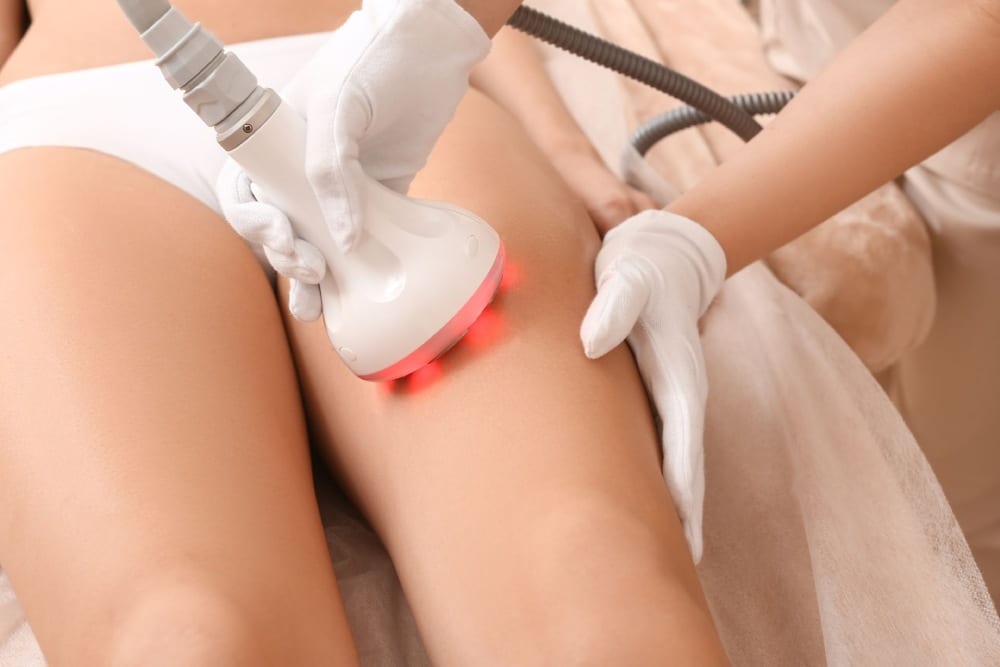
While there’s no single “magic cure” for cellulite, there are evidence-based approaches that can improve its appearance. Treatments generally focus on two goals: improving skin quality and firmness, and supporting the underlying structures.
Collagen stimulation is one approach that may help. By supporting new collagen production, the dermis can become thicker and more elastic, which may reduce the visibility of dimpling. Improved firmness can also help the skin better resist the pulling effect of fibrous septae.
Combination therapies that address multiple aspects of cellulite (for example, pairing collagen stimulation with microneedling or other skin-remodelling treatments) can be particularly effective for suitable candidates.
Lifestyle foundations — including regular exercise, a balanced diet, adequate hydration, and sun protection — remain important for supporting skin health and maintaining results.
The Importance of Realistic Expectations
It’s important to have realistic expectations about cellulite treatment. Because cellulite is a structural issue influenced by genetics and other factors beyond our control, treatments can improve its appearance but may not eliminate it completely.
Results are often gradual. Collagen production and skin remodelling take time, so most people notice improvement over several months, with continued changes depending on the approach used and individual factors.
Conclusion
Cellulite is a complex condition involving changes in skin structure, connective tissue, and fat distribution. It’s not simply caused by being overweight or being “unfit”. Understanding how cellulite forms helps explain why it’s so common — and why addressing it often requires a multifaceted approach.
If you’re interested in exploring evidence-based options to improve the appearance of cellulite, consider booking a consultation with a qualified aesthetic medicine practitioner who can assess your individual situation and discuss suitable treatment options.
Dr Tina Fang MBBS FRACGP FACAM is a cosmetic physician with 10 years of experience in aesthetic medicine, with experience in evidence-based approaches to cellulite and skin laxity. To book a consultation and learn more about cellulite treatment options, contact us at 07 3472 7477 or book online. We are located at Level 2, 1808 Logan Rd, Upper Mt Gravatt, QLD 4122.