
Under Promise and Over Deliver: Setting Realistic Expectations for Laser Resurfacing
In the field of cosmetic medicine, achieving a high level of patient satisfaction is as much about managing expectations as it is about clinical skill. Laser skin resurfacing and pigment treatments offer remarkable benefits, but they are not instant, one step solutions. A professional cosmetic physician operates under a core philosophy: under promise and over deliver. By providing honest, realistic, and evidence based information, practitioners build a foundation of trust with their patients, ensuring a positive and stress free rejuvenation journey.
The Philosophy of Under Promising and Over Delivering
When patients seek cosmetic treatments, they are often influenced by heavily edited social media images and dramatic “before and after” photos. It is easy to develop unrealistic expectations, believing that a single laser session can completely erase decades of sun damage, deep wrinkles, or stubborn melasma.
An ethical cosmetic physician will always counter these misconceptions during the initial consultation. Instead of making grand promises or committing to specific percentages of improvement, a professional practitioner will:
- Focus on Gradual Progress: Emphasize that skin rejuvenation is a journey that requires multiple sessions and ongoing maintenance.
- Describe Outcomes Moderately: Frame expected results as “mild to moderate improvement” rather than a “complete cure.”
- Highlight Individual Variability: Explain that healing times, pain tolerance, and final results vary significantly from person to person based on skin type and genetics.
By under promising, the physician prepares the patient for a realistic outcome. When the patient subsequently enjoys a beautiful, radiant result that exceeds these moderate expectations, they feel highly satisfied and confident in their care. Conversely, over promising and failing to deliver leads to disappointment, frustration, and a breakdown of the therapeutic relationship. This transparency is a cornerstone of Australian regulatory guidelines, which require cosmetic advertising and information to be honest, balanced, and evidence based.
Key Realities of Laser Rejuvenation
To help patients set realistic goals, several key clinical realities must be understood:
| Treatment Aspect | Clinical Reality | Patient Preparation |
|---|---|---|
| Number of Sessions | Multiple treatments are almost always required, typically a series of 3 to 6 sessions. | Plan treatments 4 to 6 weeks apart to allow the skin to regenerate fully. |
| Downtime and Recovery | Even gentle non ablative lasers cause temporary redness, swelling, and bronzing. | Expect 3 to 7 days of social downtime where the skin looks like a moderate sunburn. |
| Timeline for Results | Collagen stimulation and remodeling take time; visible improvement is gradual. | Initial results appear in a few weeks, but optimal rejuvenation takes 6 to 12 weeks. |
| Long Term Maintenance | Rejuvenation is not permanent; the skin will continue to age and react to the environment. | Strict daily sun protection and active skincare are required to maintain results. |
Understanding the Risks and Complications
Part of setting realistic expectations is having an open, honest discussion about potential side effects and complications. No medical procedure is entirely without risk, and lasers are high energy devices that must be treated with respect.
A cosmetic physician will thoroughly explain potential risks, which may include temporary hyperpigmentation (especially in darker skin types), acne or milia outbreaks from thick post treatment moisturisers, and the rare risk of scarring or infection if aftercare instructions are not followed diligently.
Providing detailed, written aftercare instructions and scheduling regular follow up appointments ensures that if any minor side effects do occur, they can be managed promptly and effectively, preventing any long term complications.

The Role of the Consultation in Setting Expectations
The initial consultation is the most important step in the entire treatment journey. During this appointment, the cosmetic physician performs a comprehensive skin assessment using clinical tools such as a dermatoscope and a Wood’s lamp to determine the exact type, depth, and distribution of pigmentation. This diagnostic precision allows the physician to explain clearly which concerns can be addressed, how many sessions will be required, and what the realistic timeline for improvement looks like.
Importantly, the consultation is also the time to identify any contraindications that may prevent treatment or require additional precautions. These include a history of keloid scarring, active skin infections, recent use of isotretinoin, photosensitive medications, or a tendency to develop post inflammatory hyperpigmentation. By identifying these factors early, the physician can modify the treatment plan or recommend alternative approaches, ensuring the patient’s safety is never compromised.
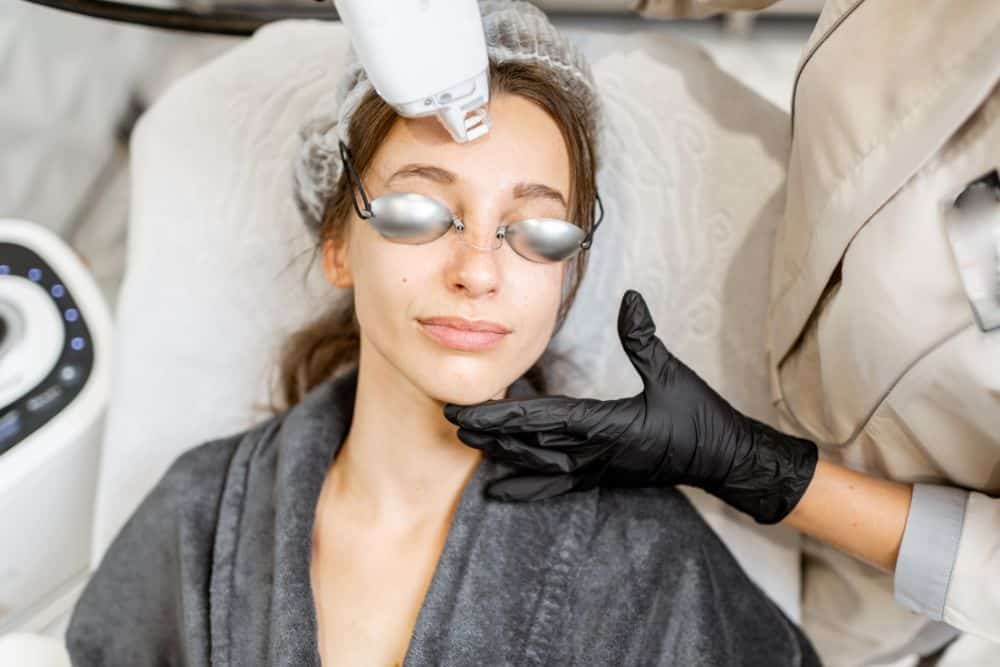
Photography is another essential component of the consultation. Standardised clinical photographs taken before treatment provide an objective baseline against which progress can be measured. Because skin changes can be gradual and subtle, patients often forget how their skin looked before treatment began. Having clear photographic documentation allows both the physician and the patient to appreciate the cumulative improvement over time, reinforcing confidence in the treatment plan. A prime example of this gradual process is seen with non ablative laser resurfacing treatments, where collagen remodelling continues for several months following the final session.
A Shared Partnership for Skin Health
Ultimately, successful skin rejuvenation is a partnership between the cosmetic physician and the patient. The physician provides the clinical expertise, advanced technology, and safe treatment parameters, while the patient commits to proper pre treatment preparation, diligent post treatment aftercare, and strict sun protection.
Patients who understand that their active participation is essential to achieving the best possible outcome tend to be the most satisfied with their results. This includes wearing SPF 50 plus sunscreen daily, using prescribed active skincare between sessions, attending all scheduled follow up appointments, and communicating openly with their physician about any concerns during the healing process.
By embracing realistic expectations and focusing on gradual, healthy improvement, patients can undertake their laser treatments with peace of mind, enjoying a safe, predictable, and highly rewarding path to healthier, more radiant skin.