
Laser Aftercare and Healing: How to Prevent Complications and Maintain Results
The success of a laser skin resurfacing procedure is determined in equal parts by the skill of the cosmetic physician and the quality of the patient’s post treatment care. Once the laser treatment is complete, the skin enters a critical healing phase where it is highly vulnerable to environmental damage, infection, and irritation. Proper aftercare is essential to support the skin’s natural recovery process, minimise discomfort, and prevent complications such as scarring or hyperpigmentation. By following a structured, gentle aftercare routine, patients can ensure a safe recovery and enjoy the full benefits of their laser treatment.
The Immediate Post Treatment Phase
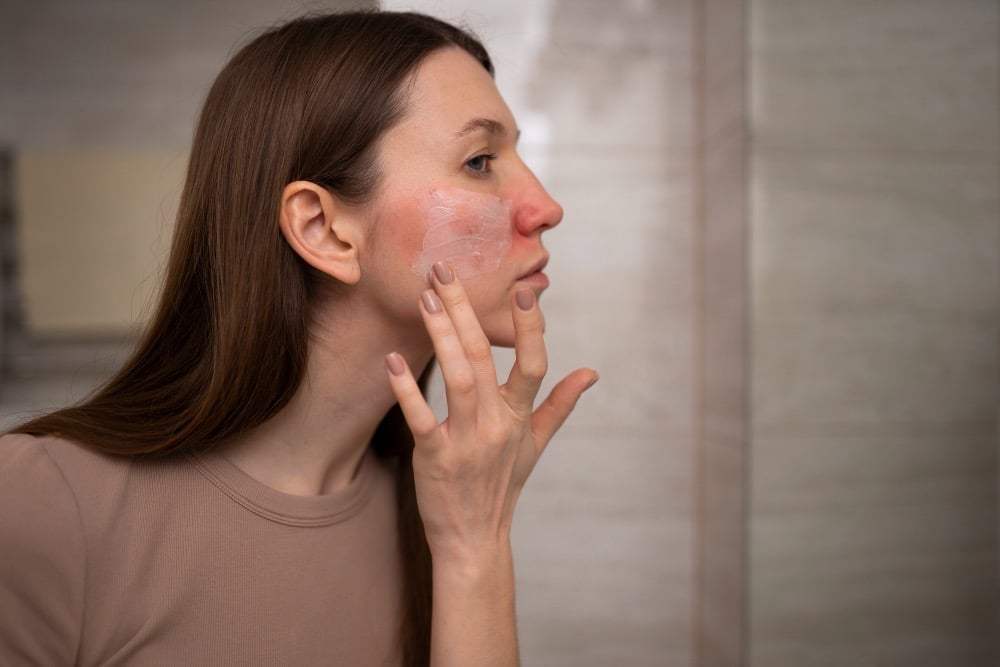
Immediately after a laser procedure, the treated skin will feel hot, tight, and sensitive, similar to a severe sunburn. To manage this initial discomfort and reduce swelling, the cosmetic physician will apply immediate cooling using a specialised cold air device or cold packs. This cooling helps to draw heat out of the tissue quickly, which is crucial for minimising post treatment swelling (oedema) and redness (erythema).
Because laser resurfacing temporarily disrupts or removes the outer skin barrier, protecting the exposed layers is paramount. An occlusive ointment, such as Vaseline or Bepanthen, must be applied in a thick layer immediately after the procedure. This ointment acts as a temporary, artificial barrier that prevents the skin from drying out, locks in moisture, and protects the healing tissue from external contaminants. Patients must continue to apply this occlusive barrier for at least the first 24 to 48 hours, keeping the skin continuously moist.
It is critically important that patients only use the products prescribed by their cosmetic physician during this vulnerable phase. Using unfamiliar creams, fragranced products, or home remedies can irritate the freshly treated skin and lead to contact dermatitis, which can be difficult to distinguish from infection and may compromise healing. This recovery process is significantly enhanced if you have spent time conditioning your skin beforehand with targeted active skincare.
The Art of Gentle Cleansing: Vinegar Soaks
During the first few days of healing, the skin will naturally produce a mild fluid discharge as it regenerates. To keep the skin clean without causing irritation, patients should perform gentle vinegar soaks.
- The Recipe: Mix one teaspoon of white vinegar in a cup of cool, clean water.
- The Application: Soak clean gauze or a soft cloth in the solution and gently apply it to the treated areas for 10 to 15 minutes.
- The Benefit: The mild acidity of the vinegar acts as a natural antiseptic, helping to prevent bacterial infections while gently softening and removing any dried ointment or skin debris without the need for scrubbing.
After soaking, the skin should be gently patted dry and immediately covered with a fresh layer of protective ointment. Patients must never pick, scratch, or scrub the healing skin, as this can disrupt the delicate new cells, cause premature peeling, and lead to permanent scarring.
Managing Common Side Effects
Understanding what is normal during the recovery process helps to alleviate anxiety and ensure a smooth healing journey:
| Side Effect | Expected Duration | Management Strategy |
|---|---|---|
| Redness (Erythema) | 3 to 14 days (depending on depth) | Keep skin cool, avoid hot showers, and use prescribed soothing creams |
| Swelling (Oedema) | 2 to 5 days | Sleep with the head elevated on extra pillows and apply cool packs |
| Skin Sloughing / Peeling | 3 to 7 days | Allow the skin to shed naturally; apply thick moisturiser continuously |
| Mild Itching | 3 to 7 days | Avoid scratching; use cool compresses or consult your physician for advice |
| Bronzing Appearance | 3 to 5 days | This is the natural exfoliation of microscopic epidermal debris; do not scrub |
To accelerate the healing process and reduce post treatment redness, many cosmetic physicians incorporate low level light therapy (such as 830 nm red light LED) immediately after the laser session and during follow up appointments. This non invasive light therapy has been clinically proven to reduce inflammation, alleviate pain, and speed up tissue regeneration.
Recognising Warning Signs
While most patients heal smoothly and without incident, it is important to know when to contact your cosmetic physician urgently:
- Localised areas of delayed healing: If one area appears to be healing much more slowly than the surrounding skin, this may indicate an infection.
- Increasing pain or tenderness: Mild discomfort is normal, but worsening pain after the first few days may signal a complication.
- Unusual discharge or odour: Any yellow, green, or foul smelling discharge should be assessed immediately.
- Persistent itching with redness: This may indicate contact dermatitis from a product being used on the skin.
Early detection and prompt management of any complication is the key to preventing long term sequelae. This is why scheduling a follow up appointment within the first week after treatment is standard practice. To understand the clinical guidelines that govern our patient care and safety, read about our clinical laser safety standards.
Crucial Aftercare Dos and Don’ts
To ensure a safe and successful recovery, patients must adhere to strict guidelines during the healing phase:
- Do Not Use Active Skincare: Avoid all active products, including retinoids, glycolic acids, Vitamin C, and fragranced cosmetics, until the skin has fully healed and your cosmetic physician advises it is safe to resume.
- Do Not Expose Skin to the Sun: Healing skin is highly susceptible to UV damage, which can cause permanent dark patches (post inflammatory hyperpigmentation). Avoid direct sun exposure completely during the initial healing phase.
- Do Apply Sunscreen Daily: Once the skin has re epithelialised (usually after 5 to 7 days), apply a broad spectrum SPF 50 plus sunscreen daily, even when indoors.
- Do Stay Hydrated: Drink plenty of water and maintain a healthy diet to support your body’s natural healing mechanisms.
- Do Attend Follow Up Appointments: Regular check ins with your cosmetic physician ensure that healing is progressing normally and any concerns are addressed early.
By treating the healing skin with the utmost care and respect, patients can ensure a comfortable recovery and lock in the smooth, radiant, and rejuvenated results of their laser treatment.