
The nose is one of the most prominent features of the face, and it plays a crucial role in facial balance and proportion. For many people, the nose is a source of concern, whether it’s the overall shape, a bump on the bridge, a drooping tip, or asymmetry. Traditionally, addressing these concerns meant surgical rhinoplasty, a significant procedure with downtime and permanent changes. However, in recent years, non-surgical rhinoplasty has emerged as an alternative option for certain nasal concerns. This approach uses injectable substances to reshape and refine the nose without surgery. Understanding what non-surgical rhinoplasty can and cannot achieve, as well as the safety considerations involved, is important for anyone considering this procedure.
What is Non-Surgical Rhinoplasty?
Non-surgical rhinoplasty, also called liquid rhinoplasty or non-invasive rhinoplasty, is a procedure in which injectable substances are used to reshape the nose. Rather than surgically removing or repositioning bone and cartilage, the procedure works by adding volume in strategic locations to create the appearance of a different nose shape.
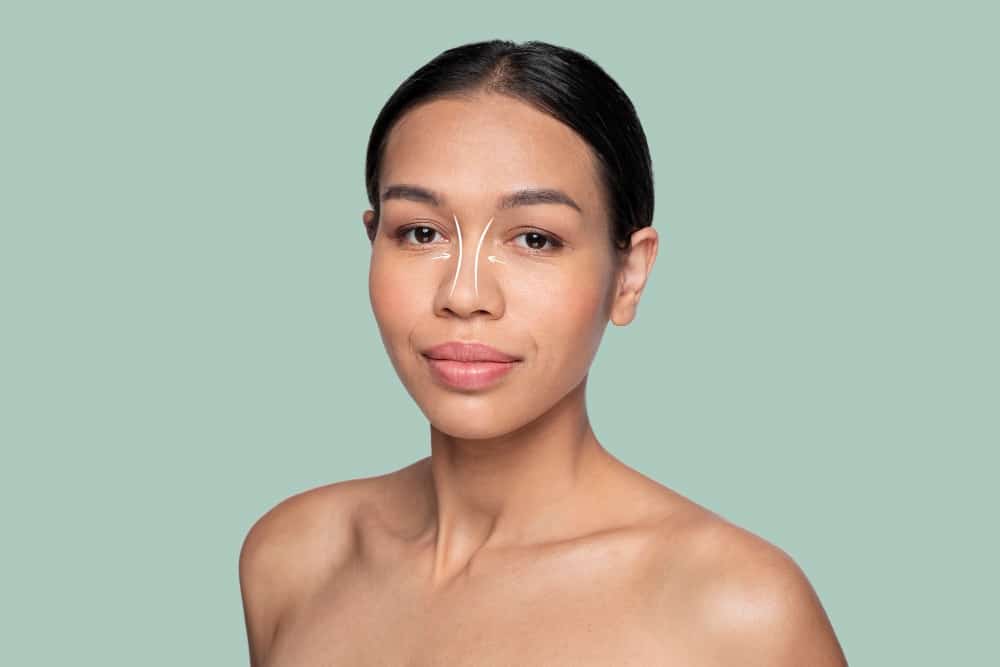
The most common use of non-surgical rhinoplasty is to address a bump on the bridge of the nose. By injecting volume above and below the bump, a practitioner can create the optical illusion of a straighter bridge. Other uses include refining the nasal tip, improving symmetry, or creating a more defined nasal bridge.
The Anatomy of the Nose
To understand non-surgical rhinoplasty, it helps to have a basic understanding of nasal anatomy. The nose consists of bone in the upper portion (the bridge) and cartilage in the lower portion (the tip and sides). The nasal septum divides the nasal cavity into two passages. The nose is highly vascular, meaning it has a rich blood supply, which is an important safety consideration for any nasal procedures.
The shape of the nose is determined by the underlying bone and cartilage structure, as well as the overlying soft tissues and skin. Changes to the underlying structure will change the external appearance of the nose.
What Non-Surgical Rhinoplasty Can Achieve
Non-surgical rhinoplasty can address certain nasal concerns effectively. A prominent bump on the bridge of the nose can often be made to appear less noticeable by injecting volume above and below the bump to create a straighter profile. A drooping nasal tip can sometimes be improved by injecting volume to lift and refine the tip. Asymmetry between the two sides of the nose can sometimes be improved by adding volume to the less prominent side.
However, it’s important to understand the limitations of non-surgical rhinoplasty. The procedure works by adding volume, not by removing or reshaping bone or cartilage. This means that certain concerns cannot be addressed with non-surgical rhinoplasty. If the primary concern is that the nose is too large or too wide, non-surgical rhinoplasty cannot reduce the size, it can only add volume. If the concern is a deviated septum affecting breathing, non-surgical rhinoplasty cannot address this.
Safety Considerations
The nose is a highly vascular area with important blood vessels and nerves. This makes nasal injections more complex and potentially higher-risk than injections in other areas of the face. The most serious potential complication is vascular occlusion, where an injected substance accidentally enters a blood vessel and blocks blood flow. This can potentially lead to tissue death (necrosis) or, in rare cases, blindness if the occlusion affects blood vessels that supply the eye.
Because of these risks, non-surgical rhinoplasty should only be performed by a qualified and experienced practitioner who has a thorough understanding of nasal anatomy and vascular anatomy. The practitioner should use appropriate techniques to minimise the risk of vascular complications, such as using a blunt cannula rather than a sharp needle, injecting slowly, and being prepared to manage complications if they occur.
The Consultation Process
Before undergoing non-surgical rhinoplasty, a thorough consultation is essential. During the consultation, a qualified practitioner will assess your nose, discuss your concerns and goals, and determine whether non-surgical rhinoplasty is an appropriate option for you.
The practitioner will evaluate the shape of your nose from multiple angles, assess the underlying bone and cartilage structure, and discuss what can realistically be achieved with non-surgical rhinoplasty. They’ll also discuss the limitations of the procedure and whether surgical rhinoplasty might be a better option for your specific concerns.
It’s important to have realistic expectations. Non-surgical rhinoplasty can create subtle improvements in nasal appearance, but it cannot create dramatic changes. The results are also temporary, typically lasting 12 to 18 months, after which the injected substance is gradually absorbed by the body.
The Procedure
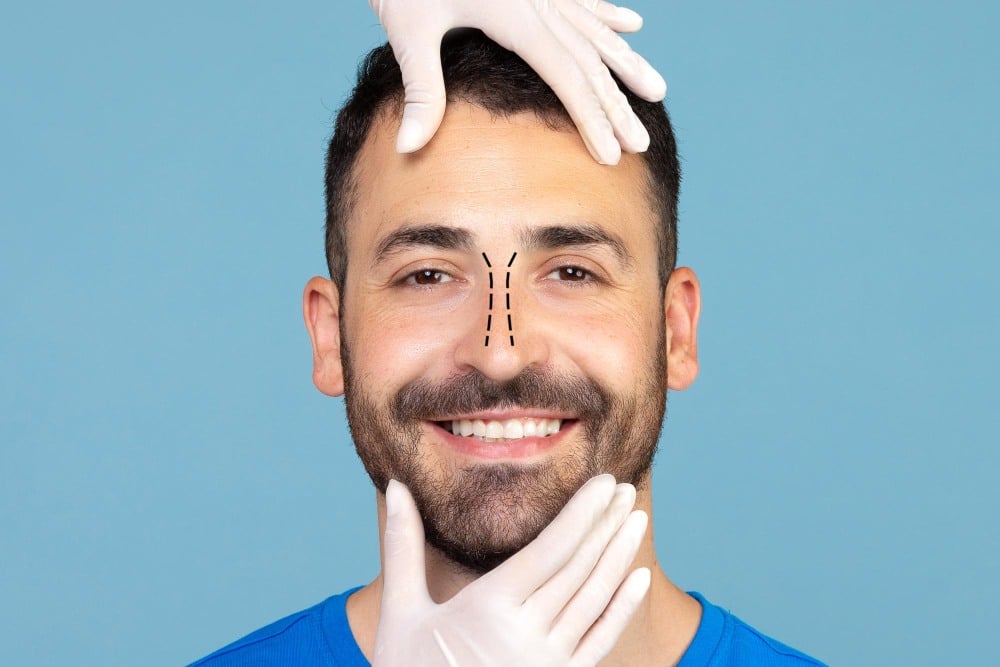
During a non-surgical rhinoplasty procedure, the nose is first cleaned and numbed with topical anesthetic. Some practitioners may also use local anesthetic injections for additional comfort. The practitioner then carefully injects the chosen substance into strategic locations on the nose to achieve the desired shape. The procedure typically takes 15 to 30 minutes, depending on the extent of the treatment. Most people experience minimal discomfort during the procedure, though there may be some pressure or mild discomfort during the injections.
Recovery and Results
After the procedure, there may be some redness, swelling, or bruising at the injection sites. This typically resolves within a few days to a week. Most people can return to their normal activities immediately after the procedure, though strenuous exercise and certain activities should be avoided for a few days. Results are typically visible immediately after the procedure, though some swelling may make it difficult to see the final result for a few days. As any swelling resolves, the final result becomes clearer.
It’s important to remember that results are temporary. The injected substance is gradually absorbed by the body over time, typically over 12 to 18 months. If you want to maintain the results, you’ll need periodic touch-up treatments.
Choosing a Qualified Practitioner
The success and safety of non-surgical rhinoplasty depend greatly on the skill and experience of the practitioner. It’s crucial to choose a qualified medical professional with specific training and experience in nasal anatomy and non-surgical rhinoplasty.
When choosing a practitioner, ask about their qualifications, their experience with non-surgical rhinoplasty, and their approach to managing potential complications. Don’t be shy about asking to see before and after photos of previous patients. A qualified practitioner will be happy to discuss their experience and show you examples of their work.
Is Non-Surgical Rhinoplasty Right for You?
Non-surgical rhinoplasty can be an excellent option for people with specific nasal concerns who want to avoid surgery and downtime. It’s particularly suitable for people who want to address a bump on the bridge, refine the nasal tip, or improve symmetry.
However, it’s not right for everyone. If your primary concern is that your nose is too large or too wide, or if you have breathing problems related to nasal structure, surgical rhinoplasty might be a better option. Additionally, if you want permanent results, surgery might be preferable to a temporary procedure.
Conclusion
Non-surgical rhinoplasty offers an alternative to surgical rhinoplasty for certain nasal concerns. By understanding what the procedure can and cannot achieve, being aware of the safety considerations, and choosing a qualified and experienced practitioner, you can make an informed decision about whether non-surgical rhinoplasty is right for you. If you’re interested in exploring this option, I encourage you to schedule a consultation with a qualified aesthetic medicine practitioner who can assess your nose and discuss whether non-surgical rhinoplasty is appropriate for your individual situation.
Dr Tina Fang MBBS FRACGP FACAM is a cosmetic physician with 10 years of experience in aesthetic medicine, with experience in facial rejuvenation and non-surgical procedures. To book a consultation and learn more about non-surgical rhinoplasty, contact us at 07 3472 7477 or book online. We are located at Level 2, 1808 Logan Rd, Upper Mt Gravatt, QLD 4122.