
We spend considerable time and effort caring for our faces, but our hands often receive far less attention. Yet our hands are constantly exposed to the sun, wind, and environmental stressors. They’re frequently washed, which can strip away natural oils. They’re used for countless daily tasks that can cause wear and tear. As a result, our hands often show signs of aging more dramatically than our faces. If you’ve ever noticed that someone’s hands look older than their face, you’ve witnessed the effects of years of sun exposure and neglect. Understanding the changes that occur in our hands with age and what can be done to maintain or restore their youthful appearance is an important part of overall aesthetic health.
Why Hands Age Faster Than Faces
There are several reasons why hands tend to show signs of aging more prominently than the face.
- First, hands receive significantly more sun exposure than most people realise. We apply sunscreen to our faces regularly, but many people forget to apply it to their hands. Over decades, this cumulative sun exposure leads to significant photodamage.
- Second, the skin on the hands is structurally different from facial skin. It’s thinner, with fewer oil glands, making it more prone to dryness and damage. The hands also have less underlying fat, which means there’s less cushioning and support for the skin.
- Third, hands are constantly in use and exposed to harsh conditions. They’re washed frequently, exposed to chemicals and detergents, and subjected to temperature extremes. All of these factors can contribute to accelerated aging.
- Fourth, hands receive far less skincare attention than the face. While most people have a regular skincare routine for their face, many neglect their hands entirely. This means that hands don’t receive the same benefits of moisturising, antioxidant protection, and other skincare benefits that the face receives.
The Anatomical Changes in Aging Hands
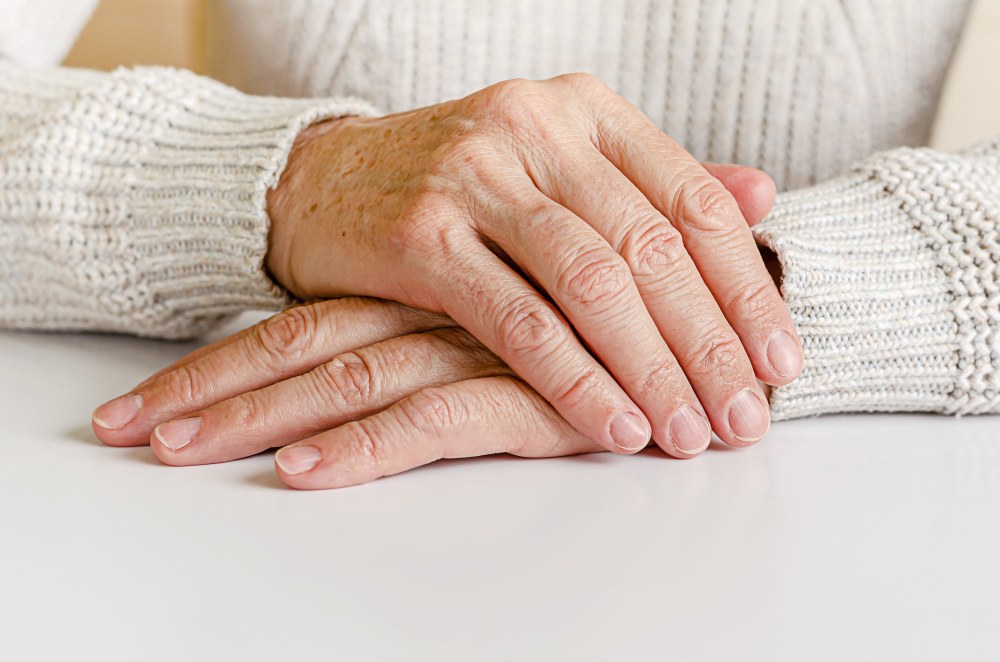
As we age, several anatomical changes occur in the hands. Understanding these changes can help us appreciate why hands look older and what can be done to address these changes.
- Volume loss is one of the most significant changes. The hands contain relatively little subcutaneous fat to begin with, and with age, this fat gradually diminishes. This results in a loss of fullness and plumpness in the hands. The skin appears more crepey and wrinkled, and the underlying structures become more prominent.
- Prominent veins and tendons become increasingly visible as the overlying fat diminishes. The veins and tendons of the hand, which are normally somewhat visible, become increasingly prominent. This can give the hands an aged appearance.
- Age spots and sun damage accumulate over years of sun exposure. These brown or tan spots, also called solar lentigines, are a result of sun damage and the accumulation of melanin in the skin. They’re one of the most visible signs of photodamage.
- Loss of elasticity and firmness occurs as collagen and elastin break down. The skin becomes thinner, loses its ability to spring back into place, and develops wrinkles and crepey texture.
- Changes in skin texture can occur, with the skin becoming rougher and more irregular in texture. This can be exacerbated by sun damage and environmental exposure.
The Role of Sun Protection
Given the significant role that sun exposure plays in hand aging, sun protection is absolutely crucial for maintaining youthful-looking hands. This should start early and continue throughout life.
- Daily application of a broad-spectrum sunscreen with an SPF of at least 30 is essential. However, many people apply sunscreen to their hands inconsistently or forget entirely. Making sunscreen application to the hands a part of your daily routine, applying it after washing your hands, before going outside, and reapplying throughout the day can make a significant difference over time.
- Beyond sunscreen, protective clothing like gloves can provide additional protection. While you may not want to wear gloves all the time, wearing them during activities like gardening or washing dishes can help to protect your hands from sun exposure and harsh chemicals.
- Seeking shade during peak sun hours (typically 10 AM to 4 PM) and avoiding prolonged sun exposure can also help to minimise photodamage.
Skincare for Hands
Beyond sun protection, a consistent skincare routine for the hands can help to maintain their appearance and health. This should include regular moisturising, as the hands tend to be dry due to fewer oil glands and frequent washing.
Using a rich hand cream or moisturiser, especially after washing your hands or bathing, can help to maintain skin hydration and prevent excessive dryness. Some people find it helpful to apply moisturiser to their hands before bed and wear cotton gloves overnight to allow the moisturiser to penetrate deeply.
Products containing ingredients like retinoids, vitamin C, or hyaluronic acid can also be beneficial for hands. Retinoids can help to improve skin texture and reduce the appearance of age spots. Vitamin C is an antioxidant that can help to protect against sun damage and improve skin brightness. Hyaluronic acid can help to improve skin hydration and plumpness.

Professional Treatment Options for Hand Rejuvenation
For those who want to address more significant signs of hand aging, professional treatment options are available. These treatments typically focus on restoring volume, improving skin quality, and addressing specific concerns like age spots or prominent veins.
- Volume restoration can be achieved through treatments that stimulate collagen production or that restore volume directly. By restoring volume to the hands, the skin appears fuller and more youthful, the veins and tendons become less prominent, and wrinkles and crepey texture are improved.
- Skin quality improvement can be achieved through treatments that stimulate collagen remodelling and improve skin texture and firmness. These treatments can help to address wrinkles, crepey texture, and uneven skin tone.
- Treatment of age spots can be achieved through various methods, depending on the specific characteristics of the spots and the individual’s skin type.
A qualified aesthetic medicine practitioner can assess your hands and recommend the most appropriate treatment options for your individual situation and goals.
The Importance of Consistency and Patience
Whether you’re taking a preventative approach to hand aging or seeking to address existing signs of aging, consistency is key. Sun protection should be a daily habit, not something you do occasionally. Skincare should be part of your regular routine. Professional treatments, if you choose to pursue them, typically require a series of sessions and patience as the skin gradually improves over time.
The good news is that hands are quite responsive to treatment. Because the hands are relatively small and accessible, treatments can be targeted and effective. Many people are pleasantly surprised by how much improvement they can achieve with consistent care and professional treatment.
Conclusion
Our hands are constantly on display, yet they often receive far less attention than our faces. The result is that hands frequently show signs of aging more dramatically than the face. However, by understanding the causes of hand aging and taking a proactive approach to sun protection, skincare, and professional treatment when appropriate, we can maintain youthful-looking hands throughout our lives. If you’re concerned about the appearance of your hands or would like to explore treatment options, I encourage you to schedule a consultation with a qualified aesthetic medicine practitioner who can assess your hands and discuss personalised recommendations.
Dr Tina Fang MBBS FRACGP FACAM is a cosmetic physician with 10 years of experience in aesthetic medicine, with experience in hand rejuvenation and body aesthetics. To book a consultation and learn more about hand rejuvenation options, contact us at 07 3472 7477 or book online. We are located at Level 2, 1808 Logan Rd, Upper Mt Gravatt, QLD 4122.