
When we think about what makes a face look young, we often focus on smooth skin and fewer wrinkles. But youthfulness is about more than the surface. One of the most important contributors to a youthful appearance is volume — the fullness and support provided by the underlying structures of the face. Understanding facial anatomy and the role volume plays in facial harmony can help explain why our faces change with age, and what can be done to maintain or restore a refreshed appearance.
The Three-Dimensional Structure of the Face
The face isn’t a flat surface — it’s a complex, three-dimensional structure made up of multiple layers. Understanding these layers is key to understanding facial ageing and rejuvenation.
- Bone (skeletal structure): The facial bones provide the foundation for everything else. They influence overall shape, feature placement, and support for the overlying tissues.
- Deep fat pads: Sitting above bone, these compartmentalised fat pads provide volume and support to specific regions of the face (such as the temples, cheeks, and lower face).
- Superficial fat: This layer lies just beneath the skin and provides a softer cushion that contributes to smooth contours.
- Skin: The most visible layer. Its quality is influenced by factors like sun exposure, hydration, collagen, and elastin.
The Role of Bone Structure
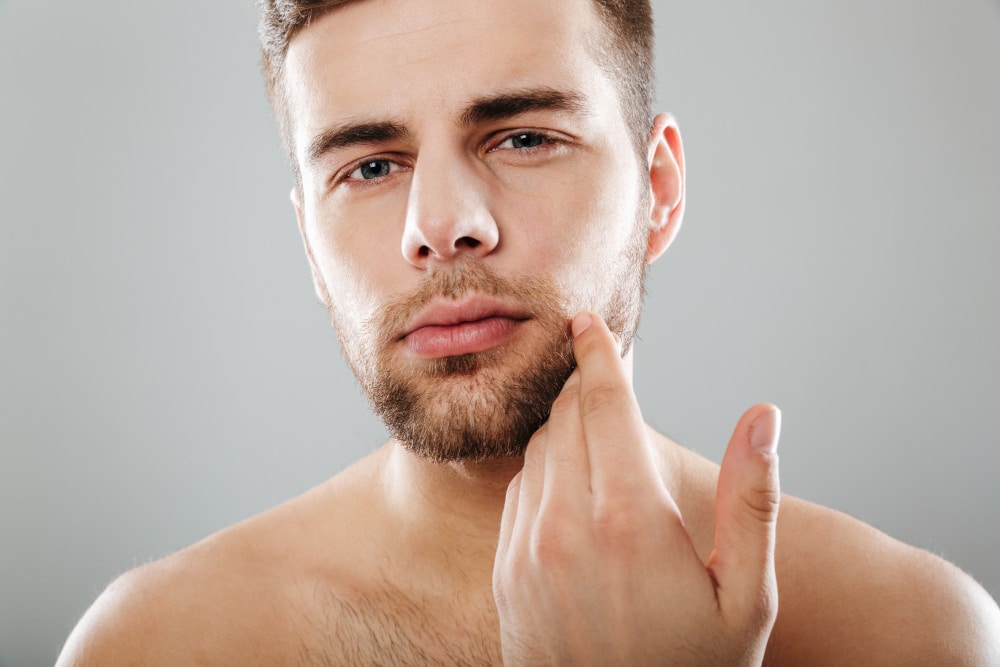
The bones of the face provide the underlying architecture. A youthful face often has well-defined cheekbones, a stronger jawline, and a well-supported orbital region (around the eyes). These features are heavily influenced by bone structure.
As we age, facial bones can undergo resorption, meaning they gradually lose volume over time. This is often most noticeable in the jaw and around the eye sockets. Cheekbones may appear less prominent, the jawline can lose definition, and the under-eye area may look more hollow.
Bone changes are a natural part of ageing and are influenced by factors such as genetics and hormones. While we can’t change bone structure itself, understanding its role helps explain why supporting the layers above it is so important in facial rejuvenation.
The Importance of Deep Fat Pads
Deep fat pads are crucial to facial volume and structural support. These compartmentalised fat pads provide much of the face’s youthful fullness and help support the overlying skin and soft tissues. When they are full and well-positioned, the face appears more lifted and refreshed.
One of the most important deep fat pads is the malar fat pad in the cheek. A well-supported malar region contributes to youthful cheek contours and supports the mid-face, which can also reduce the appearance of heaviness in the lower face.
The temporal fat pad, located in the temples, is also significant. Full temples support the lateral brow and upper mid-face. When this area loses volume, the temples can appear hollow, the brow may descend, and the outer cheek can appear to sag.
Volume Loss and Its Effects
With age, deep fat pads may gradually lose volume and shift downward due to gravity and reduced structural support. This downward movement is known as fat pad ptosis (ptosis means descent). The result is a loss of volume in the upper and mid-face, with more heaviness collecting in the lower face.
Common visible effects include:
- Flatter, less prominent cheeks
- Hollowing of the temples
- A more sunken under-eye appearance
- Deeper nasolabial folds (lines from nose to mouth), due to reduced cheek support
- A less defined jawline as mid-face support diminishes
Temple volume loss is particularly important. The temples help create a smooth transition between the forehead and cheeks and provide support to the lateral brow. When the temples appear hollow, the brow can look lower and the face may appear more tired overall.
The Role of Superficial Fat and Skin
The superficial fat layer just beneath the skin also contributes to facial contours and softness. Over time, this layer can become thinner or less even, which may reduce smoothness and definition.
The skin changes with age as well. Collagen and elastin decline, the skin can become thinner, and its ability to retain moisture decreases. This contributes to a loss of plumpness and the development of fine lines and wrinkles.
The Concept of Facial Support
A key concept in facial anatomy is support. The face is supported by bone, deep fat pads, and the ligaments that help keep everything in place. When these supporting structures change with age, the overlying skin and soft tissues can sag and lose definition.
This is why focusing only on the skin (for example, with skincare or resurfacing treatments) may not fully address the changes associated with ageing. If underlying support has been compromised, the skin can continue to lose definition regardless of topical improvement.
Restoring volume and support to deeper structures can have a significant impact on overall facial appearance. By supporting deeper layers, we can improve lift and contour, helping the face look more refreshed and balanced.
The Importance of Facial Proportion
Beyond volume, the position and proportion of facial features play a major role in youthfulness. A youthful face often has certain characteristics: cheekbones tend to be the widest part of the face, the eyes appear more supported in the upper half of the face, and the jawline is more defined.
As we age, these proportions can shift. Cheek prominence decreases, the brows can descend, the under-eye region may hollow, and the jawline can appear less defined. Understanding these changes helps a qualified practitioner plan treatment that addresses volume loss while also supporting overall facial harmony.
Respecting Individual Facial Anatomy
While there are general principles of facial anatomy and youthful proportions, every face is unique. Facial structure varies between individuals and across ethnicities. A skilled aesthetic practitioner respects these differences and tailors treatment to enhance each person’s natural features.
The goal is not to force every face into a single “ideal”, but to restore support and volume in a way that maintains balance, proportion, and a natural-looking result.
Conclusion
A youthful face is created by multiple layers and structures working together to provide fullness, support, and definition. Volume plays a crucial role in that equation. By understanding facial anatomy and the importance of volume, we can better appreciate why faces change with age and what can be done to support a refreshed appearance.
If you’d like to learn more about your own facial anatomy and options for maintaining or enhancing facial harmony, consider booking a consultation with a qualified aesthetic medicine practitioner.
Dr Tina Fang MBBS FRACGP FACAM is a cosmetic physician with 10 years of experience in aesthetic medicine, with experience in facial anatomy and volume restoration. To book a consultation and learn more about facial rejuvenation, contact us at 07 3472 7477 or book online. We are located at Level 2, 1808 Logan Rd, Upper Mt Gravatt, QLD 4122.